Công ty Hải Đức Bột với hơn 10 năm kinh nghiệm vận chuyển khí, cung cấp hệ thống‑thiết bị‑quạt gió và nhận dự án tổng thầu bột cả nước
When it comes to the efficient and reliable transportation of magnesia, a well-designed pneumatic conveying system is crucial. Magnesia, a key raw material in various industrial applications, requires specialized handling to ensure minimal loss, contamination, and operational efficiency. This article will guide you through the essential considerations and steps for designing a reasonable magnesia pneumatic conveying system, highlighting the expertise of Shandong HeadPowder Engineering Co., Ltd., a leading provider in the field.
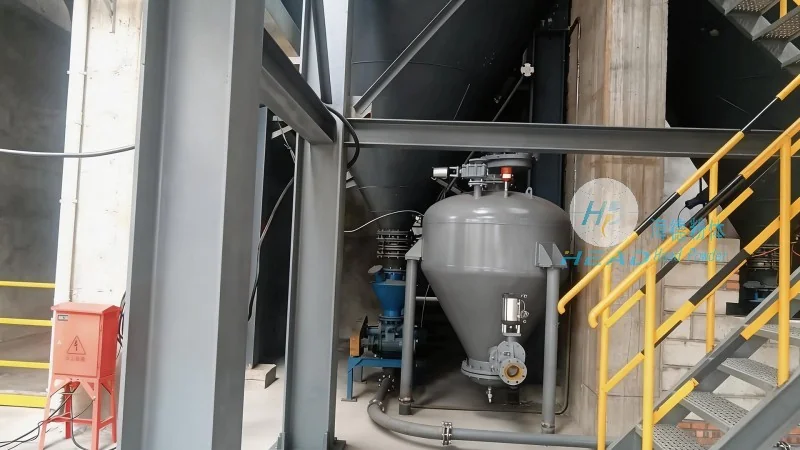
Understanding the Core Requirements for Magnesia Pneumatic Conveying
Before diving into the design specifics, it's vital to understand the unique characteristics of magnesia that influence system selection. Magnesia is typically a fine, powdery material with specific density, flowability, and dust control requirements. These properties directly impact the choice of conveying method—whether it's a pressure or vacuum system—and the type of equipment needed. For instance, the material's particle size distribution and moisture content can affect the system's pressure drop and energy consumption. Shandong HeadPowder Engineering Co., Ltd. emphasizes the importance of conducting a thorough material analysis to tailor the system to the specific needs of magnesia.
Key Design Factors in Magnesia Pneumatic Conveying Systems
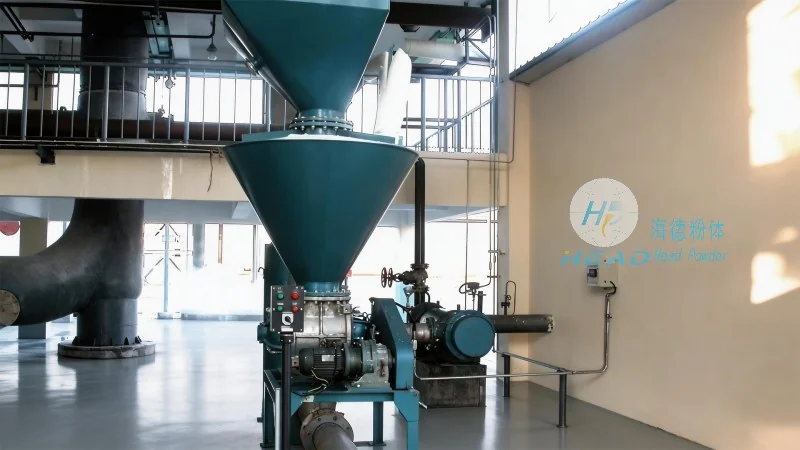
Several critical factors must be considered when designing a magnesia pneumatic conveying system. The first is the system type, which can be broadly categorized into pressure and vacuum systems. Pressure systems use a positive pressure to push material through the pipeline, while vacuum systems use a negative pressure to pull material. The choice between these depends on factors such as the distance to be conveyed, the height of the vertical lift, and the need for dust collection. Shandong HeadPowder Engineering Co., Ltd. advises that for magnesia, a pressure system is often preferred due to its ability to handle longer distances and vertical lifts more effectively, minimizing material degradation and ensuring consistent flow.
Another crucial factor is the selection of the conveying equipment. Key components include the material feeders, which must handle fine powders without blockages or segregation. The most common types are rotary valves and star feeders, which are designed to provide a consistent flow rate and prevent material buildup. Additionally, the pipeline design is critical. The diameter and length of the pipeline, along with the number of bends and fittings, directly affect the system's pressure drop and energy consumption. Properly sized and routed pipelines, as recommended by Shandong HeadPowder Engineering Co., Ltd., ensure smooth material transport and reduce operational costs.
Gas Source and Filtration Systems for Magnesia Conveying
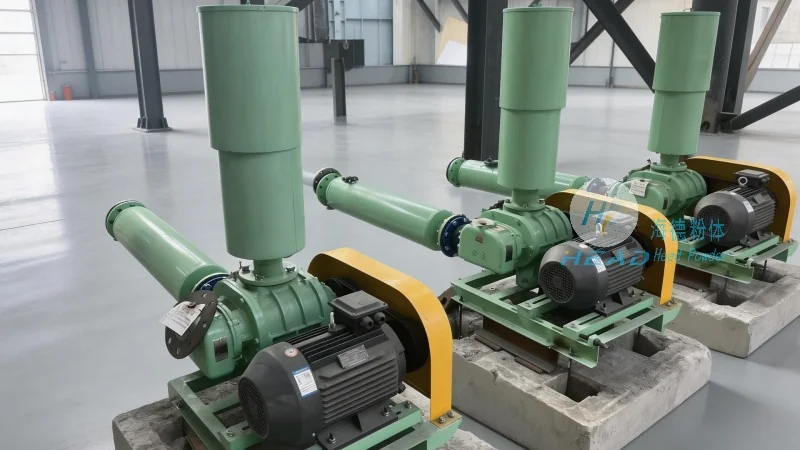
The gas source is another critical element in magnesia pneumatic conveying. The choice of air compressor or blower depends on the system's pressure requirements and the material's properties. For magnesia, a high-pressure blower or air compressor is often used to maintain sufficient pressure to overcome the system's resistance. The gas source must also be equipped with proper filtration to prevent magnesia particles from entering the compressor or blower, which can cause wear and reduce efficiency. Shandong HeadPowder Engineering Co., Ltd. recommends using high-efficiency filters and regular maintenance to ensure the gas source operates reliably and extends the equipment's lifespan.
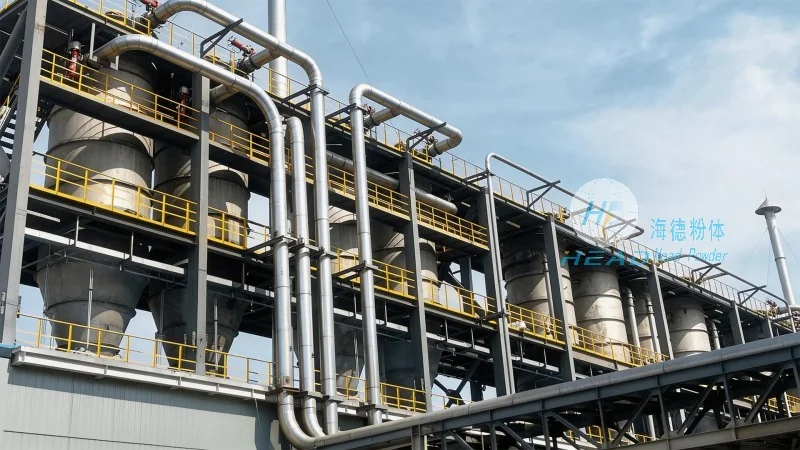
Filtration systems are equally important for both the conveying line and the dust collection system. Magnesia is a fine powder that can easily become airborne, posing health and safety risks. Therefore, the system must include dust collectors and filters to capture and remove particles from the air. These systems not only protect the environment and personnel but also prevent material loss and maintain the quality of the conveyed magnesia. Shandong HeadPowder Engineering Co., Ltd. specializes in designing filtration systems that meet the stringent requirements of magnesia handling, ensuring compliance with environmental regulations and operational safety.
Integration and Control Systems for Optimal Performance
Modern magnesia pneumatic conveying systems often integrate advanced control systems to optimize performance and reduce downtime. These systems use sensors and controllers to monitor key parameters such as pressure, flow rate, and material level. By providing real-time data and feedback, control systems allow operators to adjust the system settings dynamically, ensuring efficient material transport and preventing issues like overloading or under-conveying. Shandong HeadPowder Engineering Co., Ltd. offers comprehensive control solutions that enhance the system's reliability and efficiency, helping clients achieve consistent and cost-effective magnesia handling.
Maintenance and Troubleshooting for Long-Term Reliability
Proper maintenance is essential to ensure the long-term reliability and efficiency of a magnesia pneumatic conveying system. Regular maintenance tasks include cleaning the pipelines and filters, inspecting the conveying equipment for wear and tear, and checking the gas source for proper operation. Shandong HeadPowder Engineering Co., Ltd. provides detailed maintenance schedules and troubleshooting guides to help clients identify and resolve issues promptly. By following these guidelines, clients can extend the system's lifespan, reduce maintenance costs, and maintain consistent performance over time.
Conclusion: Partnering with HeadPowder for Magnesia Pneumatic Conveying Solutions
Designing a reasonable magnesia pneumatic conveying system requires a deep understanding of the material's properties, system requirements, and operational constraints. Shandong HeadPowder Engineering Co., Ltd. combines expertise in magnesia handling with advanced engineering solutions to provide tailored systems that meet the specific needs of clients. By considering factors such as system type, equipment selection, gas source, filtration, and control systems, and implementing proper maintenance, clients can achieve efficient, reliable, and cost-effective magnesia transportation. For more information on magnesia pneumatic conveying systems, contact Shandong HeadPowder Engineering Co., Ltd., a trusted partner in the industry.

 Công ty TNHH Kỹ thuật Công trình Bột Hải Đức Sơn Đông
 156-6277-7102(Quản lý Trương)
  0531-83386006
  Quận Chương Khâu, Thành phố Tế Nam, Tỉnh Sơn Đông, Trung Quốc
Điện thoại
WeChatTư vấn
Lên đầu