Công ty Hải Đức Bột với hơn 10 năm kinh nghiệm vận chuyển khí, cung cấp hệ thống‑thiết bị‑quạt gió và nhận dự án tổng thầu bột cả nước
Activated carbon granules are widely used in various industrial processes for adsorption, filtration, and purification applications. Efficient and reliable transport of these granules is crucial for maintaining operational efficiency and product quality. This article explores the common methods used for transporting activated carbon granules, providing insights into their applications, advantages, and considerations for different industrial settings. The expertise of companies like Shandong HeadPowder Engineering Co., Ltd. (headpowder) in material handling solutions plays a vital role in optimizing such transport systems.
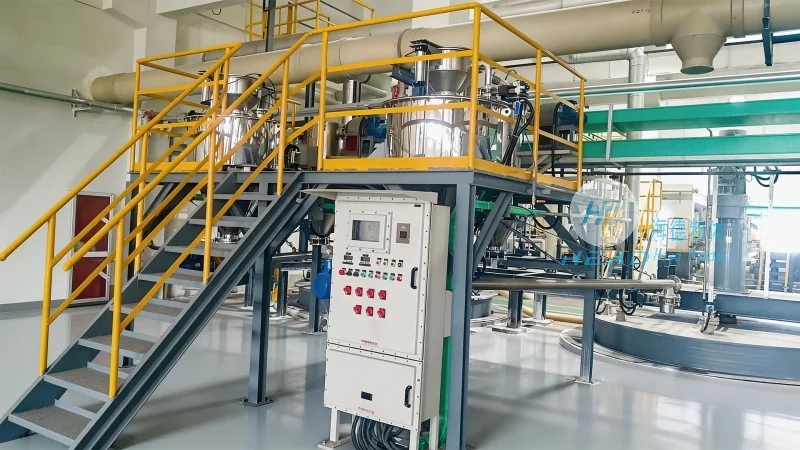
Overview of Activated Carbon Granule Transport
Transporting activated carbon granules requires careful consideration of material properties, such as particle size, density, and moisture content, as well as the specific requirements of the downstream process. The choice of transport method significantly impacts the overall system performance, including energy consumption, equipment maintenance, and product integrity. Understanding the available options helps industrial operators select the most suitable solution for their needs.
Common Transport Methods for Activated Carbon Granules
Several methods are commonly employed for the transport of activated carbon granules, each with distinct characteristics and applications. The primary methods include gravity flow, mechanical conveyors, and pneumatic (air) transport systems. Each method has its own advantages and limitations, which are discussed below.
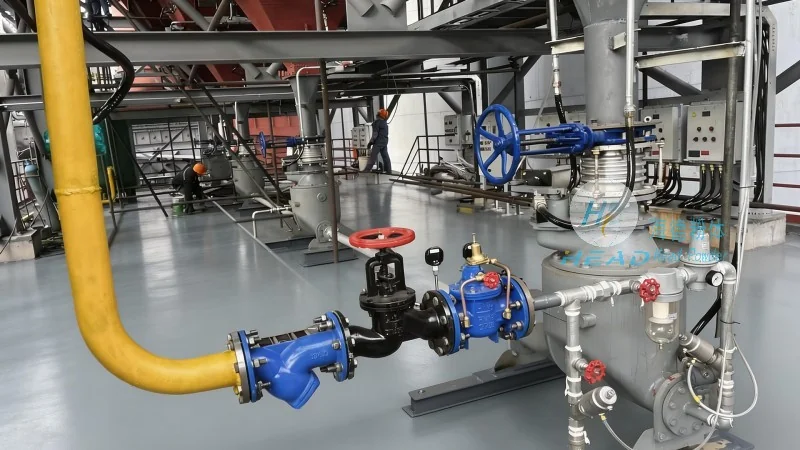
1. Gravity Flow Systems
Gravity flow systems utilize the natural downward movement of granules under the influence of gravity. These systems typically consist of inclined chutes or hoppers that allow the material to move from a higher to a lower elevation without the need for external power. The design of gravity flow systems is straightforward and cost-effective, making them suitable for short-distance transport and low-capacity applications. However, their efficiency is limited by the angle of inclination and the material's flow characteristics. For activated carbon granules, which can be fine and prone to bridging or rat-holing, gravity flow may not be sufficient for long distances or high throughput. In such cases, additional measures like vibration or air-assisted flow may be required to improve material movement.
2. Mechanical Conveyors
Mechanical conveyors are widely used in the activated carbon industry due to their versatility and ability to handle various particle sizes and flow rates. The most common types include screw conveyors, belt conveyors, and bucket elevators. Screw conveyors, also known as auger conveyors, use a rotating screw to move granules along a tube or trough. They are particularly effective for vertical or inclined transport and can handle dry or slightly moist materials. Belt conveyors, on the other hand, use a continuous belt to transport granules horizontally or at a slight incline. These systems are ideal for long-distance transport and can accommodate high capacities. However, they require regular maintenance to prevent belt wear and material buildup. Bucket elevators are used for vertical transport, lifting granules from a lower to a higher level. They are robust and can handle abrasive materials but may be less suitable for fine granules that could clog the buckets.
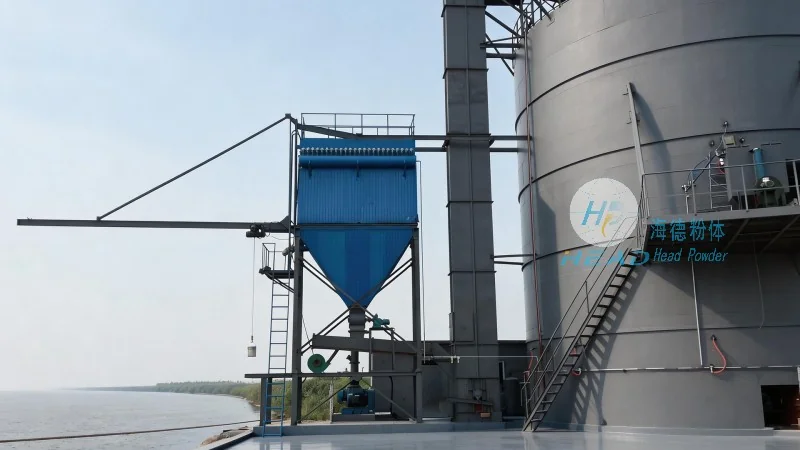
3. Pneumatic (Air) Transport Systems
Pneumatic transport systems use compressed air to move activated carbon granules through a pipeline. This method is particularly advantageous for long-distance transport, high-capacity applications, and environments where dust control is critical. There are two main types of pneumatic systems: positive displacement and pressure dilution. Positive displacement systems use a pump to create a vacuum or pressure, drawing granules into the pipeline and transporting them to the destination. Pressure dilution systems use a higher volume of air to dilute the material, reducing particle-to-particle contact and minimizing abrasion. Pneumatic transport is effective for fine granules and can handle both dry and slightly wet materials. However, it requires higher energy input compared to mechanical conveyors and may need filtration systems to capture dust and prevent air pollution. The choice between these systems depends on the specific application, distance, and material characteristics.
4. Combination Systems
In many industrial settings, a combination of transport methods is used to optimize efficiency and address specific challenges. For example, a gravity flow system may be used for the initial transfer from a storage silo to a mechanical conveyor, which then transports the granules to a pneumatic system for final delivery to the processing unit. This hybrid approach leverages the strengths of each method while mitigating their weaknesses. The integration of sensors and control systems can further enhance the performance of combination systems, allowing for real-time monitoring and adjustment of flow rates and pressure.
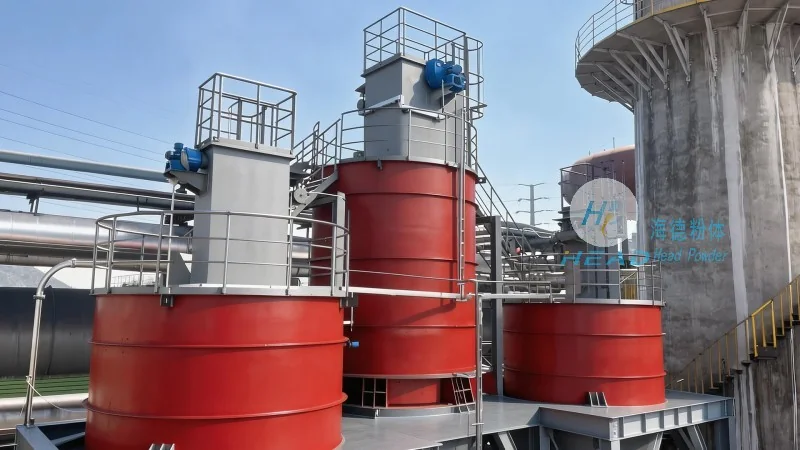
Key Considerations for Selecting a Transport Method
When selecting a transport method for activated carbon granules, several factors must be considered to ensure optimal performance and cost-effectiveness. First, the distance and capacity requirements of the transport system must be evaluated. Short distances and low capacities may be suitable for gravity flow or simple mechanical conveyors, while long distances and high capacities may require pneumatic systems. Second, the material properties, such as particle size distribution, density, and moisture content, influence the choice of equipment. Fine granules may require special handling to prevent clogging or bridging, which can be addressed with air-assisted flow or vibration. Third, the environmental and safety considerations, including dust control and explosion protection, are critical, especially in industrial environments where activated carbon is used for filtration or adsorption. Finally, the cost of equipment, maintenance, and energy consumption must be balanced against the operational requirements to achieve the best overall solution.
Conclusion
Efficient transport of activated carbon granules is essential for maintaining the performance and quality of industrial processes. The choice of transport method depends on various factors, including distance, capacity, material properties, and operational constraints. Gravity flow systems offer simplicity and cost-effectiveness for short distances, while mechanical conveyors provide versatility for different applications. Pneumatic systems excel in long-distance and high-capacity transport but require higher energy input. By carefully evaluating these options and considering the specific needs of the process, industrial operators can select the most suitable transport method to ensure smooth and reliable operation.

 Công ty TNHH Kỹ thuật Công trình Bột Hải Đức Sơn Đông
 156-6277-7102(Quản lý Trương)
  0531-83386006
  Quận Chương Khâu, Thành phố Tế Nam, Tỉnh Sơn Đông, Trung Quốc
Điện thoại
WeChatTư vấn
Lên đầu