Công ty Hải Đức Bột với hơn 10 năm kinh nghiệm vận chuyển khí, cung cấp hệ thống‑thiết bị‑quạt gió và nhận dự án tổng thầu bột cả nước
Beer brewery sludge, also known as spent grain or brewing waste, is a byproduct generated during the beer production process. Efficient and reliable transportation of this sludge is crucial for maintaining the operational efficiency of breweries and ensuring compliance with environmental regulations. In this article, we will explore the various methods and technologies used for transporting beer brewery sludge, highlighting the key considerations and solutions provided by Shandong HeadPowder Engineering Co., Ltd.
Understanding Beer Brewery Sludge
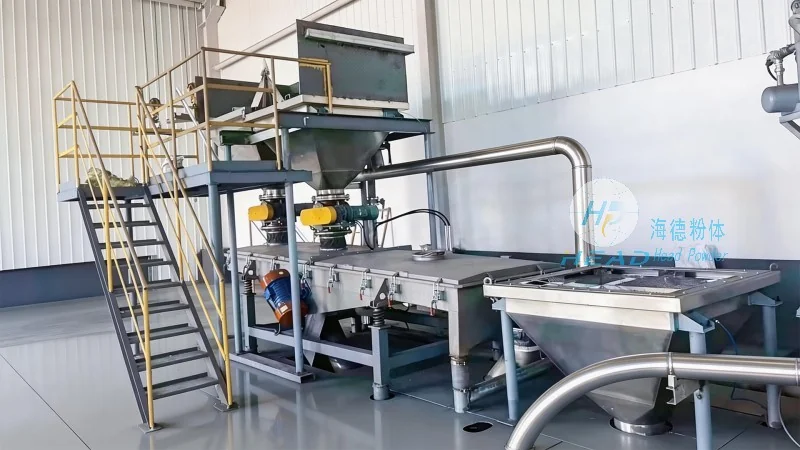
Beer brewery sludge primarily consists of solid residues from the mashing and fermentation stages, including spent grains, hops, and other organic materials. These materials are rich in nutrients but can pose challenges in terms of handling and disposal. The characteristics of the sludge, such as its moisture content, density, and viscosity, play a significant role in determining the most suitable transportation method. Proper understanding of these properties is essential for selecting the right equipment and process for sludge transport.
Common Transportation Methods for Beer Brewery Sludge
Several methods are employed for transporting beer brewery sludge, each with its own advantages and limitations. The choice of method depends on factors like the volume of sludge, the distance to be transported, the required speed, and the environmental impact. The primary methods include:
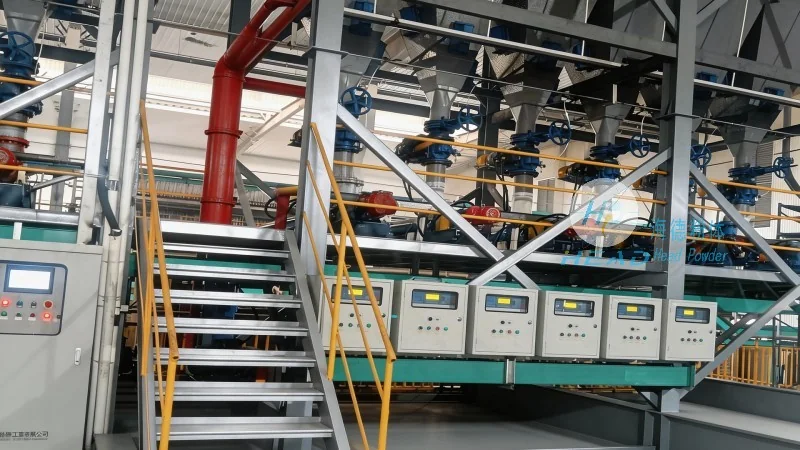
Pneumatic Conveying Systems
Pneumatic conveying systems utilize air pressure to move sludge through a pipeline. This method is particularly effective for transporting dry or semi-dry sludge over short to medium distances. The system typically consists of a hopper, a conveyor line, and a receiver. By using compressed air, the sludge is carried through the pipeline, minimizing the need for mechanical components and reducing the risk of contamination. Pneumatic conveying is known for its flexibility and ability to handle varying sludge compositions. However, it may not be suitable for very wet or high-density sludge, as it requires higher air pressure and energy consumption.
Hydraulic Conveying Systems
Hydraulic conveying systems use water or other liquids to transport sludge through pipes. This method is ideal for handling wet or viscous sludge, as the liquid acts as a carrier, facilitating smooth flow. The system includes a pump, a pipeline, and a treatment or disposal unit. Hydraulic conveying is often used for long-distance transport and can handle larger volumes of sludge. It is particularly effective for sludge with high moisture content, as the liquid helps maintain the flow. However, this method requires careful management of the liquid-to-sludge ratio to prevent clogging and ensure efficient operation.
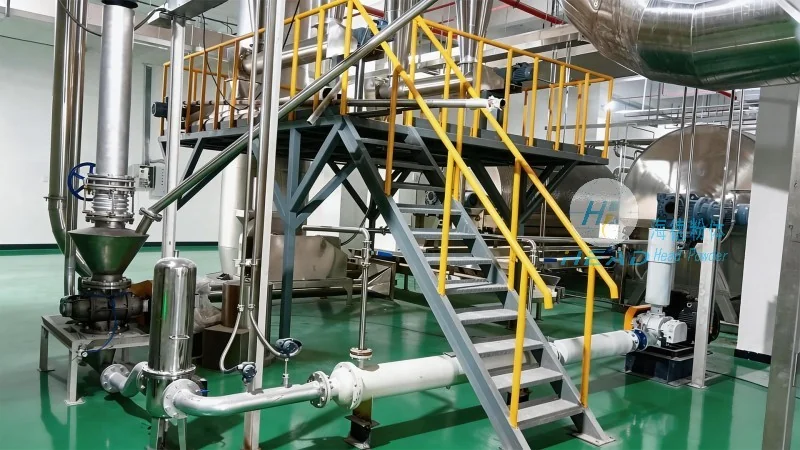
Mechanical Conveying Systems
Mechanical conveying systems rely on mechanical components like screws, belts, or augers to move sludge. These systems are commonly used for short to medium distances and are suitable for both dry and wet sludge. Screw conveyors, for example, use a rotating screw to push the sludge along a trough, while belt conveyors use a moving belt to transport the material. Mechanical conveyors are relatively simple in design and can be easily integrated into existing brewery infrastructure. They are cost-effective and require minimal maintenance, making them a popular choice for many breweries. However, they may have limitations in terms of the distance they can cover and the risk of material degradation due to friction.
Key Considerations for Choosing the Right Sludge Transport Method
When selecting a transportation method for beer brewery sludge, several factors must be considered to ensure optimal performance and cost-effectiveness. These include the physical properties of the sludge, the distance and speed requirements, the available space and infrastructure, and the environmental regulations. Shandong HeadPowder Engineering Co., Ltd. offers comprehensive solutions tailored to these considerations, providing customized systems that meet the specific needs of each brewery.
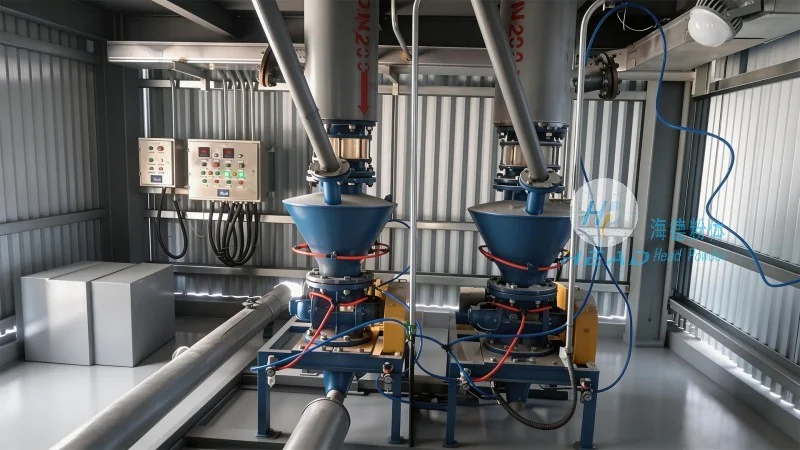
Customized Solutions by Shandong HeadPowder Engineering Co., Ltd.
Shandong HeadPowder Engineering Co., Ltd., a leading provider of engineering solutions for the food and beverage industry, specializes in designing and manufacturing efficient sludge transportation systems. With years of experience and a deep understanding of the challenges faced by breweries, the company offers a range of products and services that address the unique requirements of each client. The company's team of experts works closely with clients to assess their specific needs, providing recommendations on the most suitable transportation method and equipment. Whether it's a pneumatic, hydraulic, or mechanical system, HeadPowder ensures that the solution is reliable, durable, and compliant with all relevant regulations.
Conclusion
Efficient transportation of beer brewery sludge is a critical aspect of modern brewing operations. By choosing the right method and equipment, breweries can improve their operational efficiency, reduce costs, and minimize their environmental impact. Shandong HeadPowder Engineering Co., Ltd. stands ready to provide the expertise and solutions needed to address these challenges, helping breweries achieve their goals while maintaining high standards of quality and sustainability.

 Công ty TNHH Kỹ thuật Công trình Bột Hải Đức Sơn Đông
 156-6277-7102(Quản lý Trương)
  0531-83386006
  Quận Chương Khâu, Thành phố Tế Nam, Tỉnh Sơn Đông, Trung Quốc
Điện thoại
WeChatTư vấn
Lên đầu