Công ty Hải Đức Bột với hơn 10 năm kinh nghiệm vận chuyển khí, cung cấp hệ thống‑thiết bị‑quạt gió và nhận dự án tổng thầu bột cả nước
When handling bicarbonate of soda, selecting the appropriate conveyance method is crucial for ensuring efficiency, safety, and product integrity. Bicarbonate of soda, also known as sodium bicarbonate, is a versatile chemical widely used in industrial and commercial applications. The choice of conveyance method depends on factors such as the material's properties, the scale of operation, and the specific requirements of the process. This article outlines the common methods used for transporting bicarbonate of soda, providing insights into their applications and advantages.
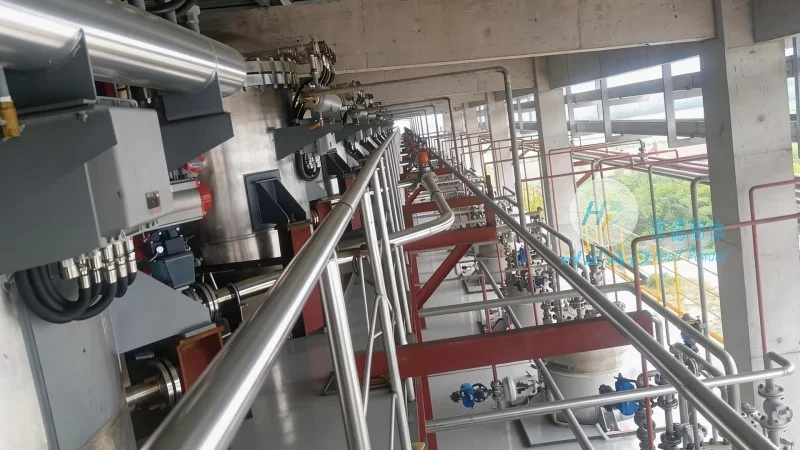
1. Pneumatic Conveying Systems
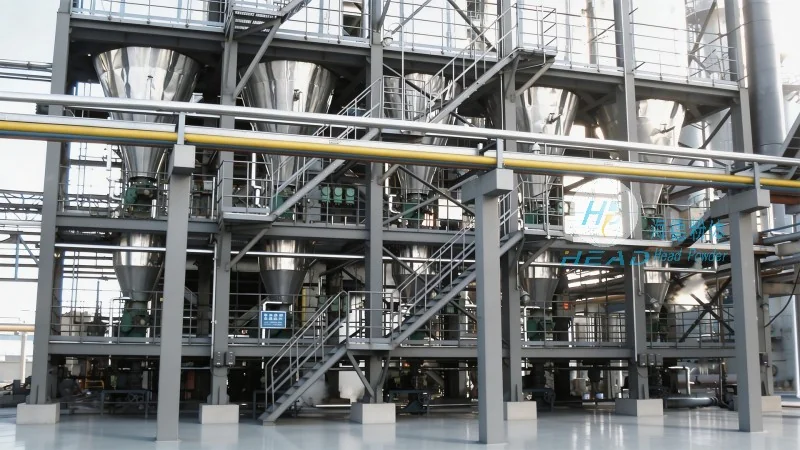
Pneumatic conveying is a widely adopted method for transporting bicarbonate of soda, especially in bulk handling scenarios. This technique utilizes air or other gases to move the material through a pipeline system. There are two primary types of pneumatic conveying: pressure and vacuum systems. Pressure systems use compressed air to push the material forward, while vacuum systems create a negative pressure to draw the material into the pipeline. The choice between these systems depends on the distance and elevation changes required for the material transport. Pneumatic conveying offers advantages such as high capacity, flexibility in layout, and the ability to handle fine powders without the need for mechanical components that might cause contamination or wear. However, it requires careful management of air flow and pressure to prevent material degradation or system blockages. The system typically includes components like feeders, ducts, and receivers, all designed to maintain the integrity of the bicarbonate of soda during transport.
2. Screw Conveyors
Screw conveyors are another common method for conveying bicarbonate of soda, particularly in applications where the material needs to be moved horizontally or at a slight incline. These systems consist of a rotating screw (also known as a helicoid) enclosed in a tube or trough. As the screw rotates, it pushes the material forward along the length of the conveyor. Screw conveyors are suitable for handling dry, free-flowing powders like bicarbonate of soda, as they can maintain a consistent flow without the need for external forces like air pressure. They are often used in processing plants where the material is being transferred between storage silos, mixing equipment, or packaging lines. The design of the screw conveyor, including the pitch and diameter of the screw, can be adjusted to control the speed and capacity of the material transport. Additionally, screw conveyors can be equipped with sealing mechanisms to prevent dust emissions and ensure a clean operation environment. This method is generally reliable and low-maintenance, making it a popular choice for many industrial applications.
3. Belt Conveyors
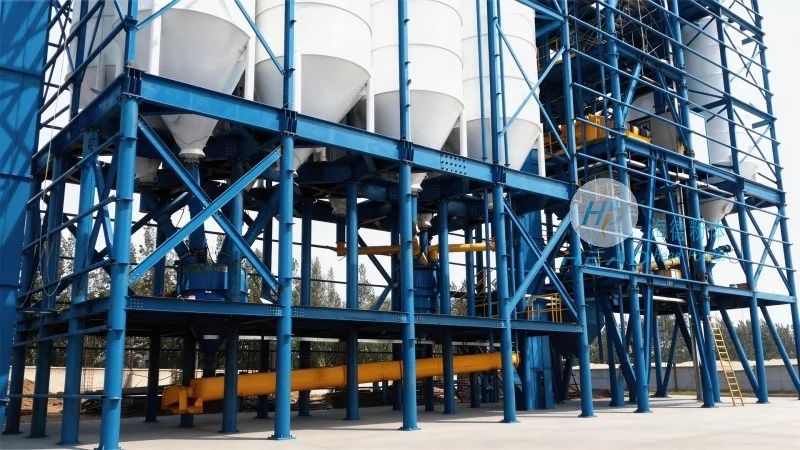
Belt conveyors are widely used for the transport of bicarbonate of soda, especially in large-scale operations where long distances or multiple levels need to be covered. These systems consist of a continuous belt that moves over rollers or pulleys, transporting the material from one point to another. The belt is typically made of materials such as rubber or plastic, which are resistant to the chemical properties of bicarbonate of soda and can withstand the mechanical stresses of operation. Belt conveyors are capable of handling a wide range of material loads and can be configured with multiple sections to achieve complex transport routes. They are often used in combination with other equipment, such as hoppers and feeders, to create an integrated material handling system. The speed and inclination of the belt can be adjusted to optimize the transport efficiency, ensuring that the bicarbonate of soda is moved safely and efficiently. Belt conveyors are known for their high capacity and durability, making them suitable for continuous operation in industrial settings. However, they require regular maintenance to ensure the belt remains in good condition and to prevent material buildup or wear on the components.
4. Bucket Elevators
Bucket elevators are an effective method for vertically transporting bicarbonate of soda, especially when the material needs to be moved between different levels in a facility. These systems consist of a vertical or inclined conveyor with buckets attached to a chain or belt. As the conveyor rotates, the buckets scoop up the material from a hopper at the bottom and transport it upward to a discharge point at the top. Bucket elevators are particularly useful for handling bulk materials like bicarbonate of soda, as they can move large quantities of material with minimal space requirements. The design of the bucket elevator, including the size and spacing of the buckets, can be customized to accommodate different material characteristics and flow rates. This method is efficient for vertical transport and can be integrated with other conveying systems to create a comprehensive material handling solution. Bucket elevators are generally reliable and can operate continuously, making them a suitable choice for industrial applications where vertical movement is required. However, they require proper alignment and maintenance to prevent material spillage and ensure smooth operation.
5. Hydraulic Conveying
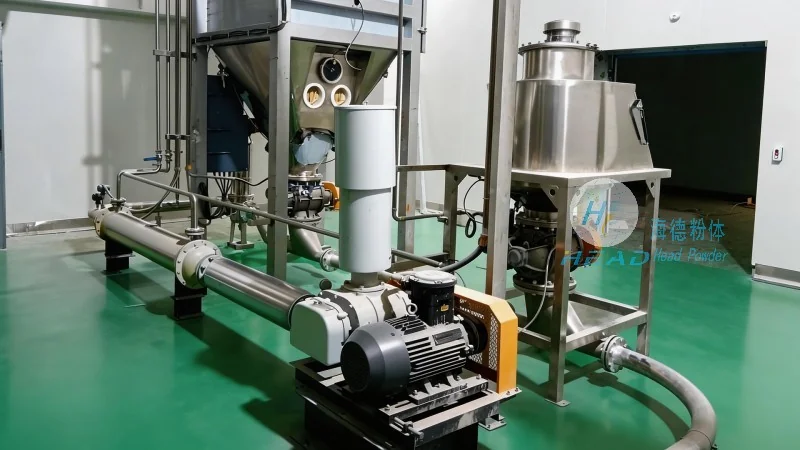
Hydraulic conveying is a less common but specialized method for transporting bicarbonate of soda, particularly in applications where the material needs to be moved through long distances or challenging terrain. This technique uses a liquid medium, such as water or a specialized hydraulic fluid, to transport the material in a pipeline system. The material is suspended in the liquid and moved by the flow of the hydraulic fluid. Hydraulic conveying systems are typically used in mining or construction applications where the material is being transported over long distances or through difficult terrain. However, for bicarbonate of soda, this method is more commonly used in specialized industrial processes where the material's properties require a liquid-based transport. The system includes components like pumps, pipelines, and valves to control the flow of the hydraulic fluid and the material. Hydraulic conveying offers advantages such as the ability to handle abrasive or corrosive materials and to transport materials over long distances with minimal energy consumption. However, it requires careful management of the hydraulic fluid to prevent contamination and ensure the material's integrity is maintained throughout the transport process.

 Công ty TNHH Kỹ thuật Công trình Bột Hải Đức Sơn Đông
 156-6277-7102(Quản lý Trương)
  0531-83386006
  Quận Chương Khâu, Thành phố Tế Nam, Tỉnh Sơn Đông, Trung Quốc
Điện thoại
WeChatTư vấn
Lên đầu