Công ty Hải Đức Bột với hơn 10 năm kinh nghiệm vận chuyển khí, cung cấp hệ thống‑thiết bị‑quạt gió và nhận dự án tổng thầu bột cả nước
Industrial alkali transport is a critical process in various industrial applications, ensuring the safe and efficient delivery of caustic substances like sodium hydroxide, potassium hydroxide, and other alkaline chemicals. The choice of transport method depends on factors such as the type of alkali, volume, distance, and safety requirements. This article explores the common methods used for industrial alkali transport, highlighting the key considerations and advantages of each approach.
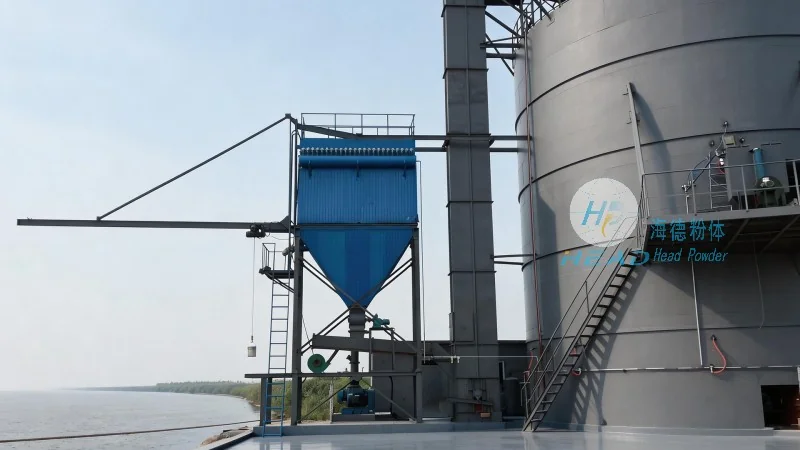
1. Pipeline Transportation of Industrial Alkalis
Pipeline systems are one of the most common and efficient methods for transporting industrial alkalis over long distances. These systems consist of underground or above-ground pipes made from materials resistant to corrosion, such as stainless steel, carbon steel with protective coatings, or specialized alloys. The pipeline design includes valves, pumps, and monitoring equipment to control flow, pressure, and temperature. For example, sodium hydroxide solutions are often transported via pipelines from manufacturing plants to processing facilities or storage tanks. The advantages of pipeline transport include continuous operation, reduced labor costs, and minimal environmental impact compared to other methods. However, it requires significant upfront investment in infrastructure and may be less flexible for changing demand.
2. Tank Truck Transportation
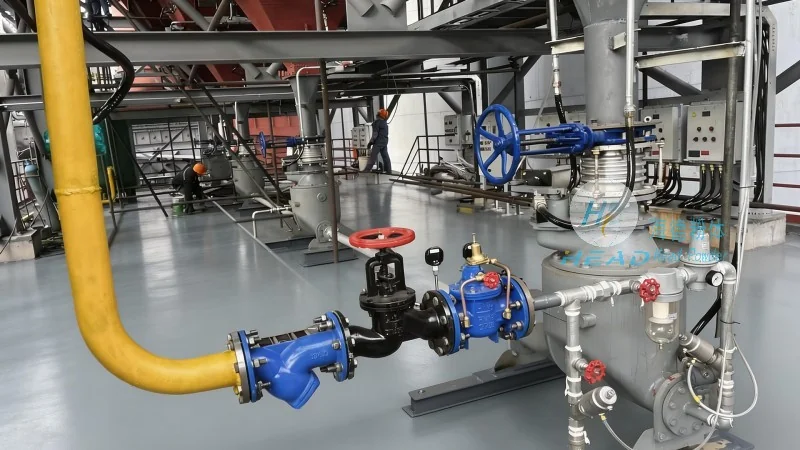
Tank truck transportation is widely used for bulk transport of industrial alkalis, especially for shorter distances or when the destination is not connected by a pipeline. Tank trucks are equipped with specialized tanks designed to withstand the corrosive nature of alkalis, often lined with materials like rubber or epoxy to prevent chemical damage. The trucks are fitted with safety features, including pressure relief valves, emergency shut-off systems, and monitoring devices to ensure compliance with regulations. Companies like Shandong HeadPowder Engineering Co., Ltd. utilize tank trucks to deliver industrial alkalis to clients in various industries, including chemical manufacturing, paper production, and water treatment. This method offers flexibility in terms of route and delivery time, making it suitable for diverse applications. However, it involves higher operational costs due to fuel consumption, driver expenses, and the need for regular maintenance of the tank trucks.
3. Tank Container Transportation
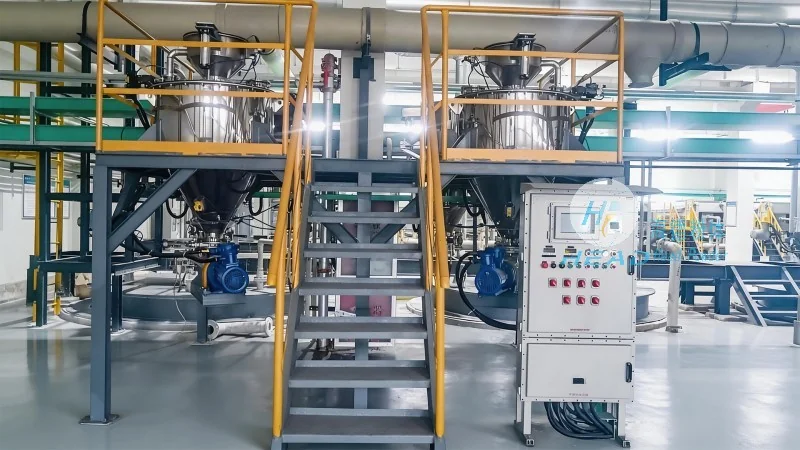
Tank container transportation, also known as intermodal transport, is another common method for industrial alkali transport, particularly for international or long-distance shipments. Tank containers are large, cylindrical containers that can be loaded onto trucks, trains, or ships. They are made from stainless steel or other corrosion-resistant materials and are designed to meet international standards for chemical transport. The use of tank containers allows for the consolidation of shipments, enabling efficient use of transportation resources. For instance, a tank container loaded with potassium hydroxide can be transported from a production facility in China to a client in Europe via sea and road. This method combines the advantages of both road and rail/sea transport, providing a cost-effective solution for bulk alkali delivery. However, it may involve additional handling steps and longer transit times compared to pipeline or tank truck transport.
4. Bulk Storage and Transfer Systems
Bulk storage and transfer systems are essential for managing industrial alkalis at the point of use. These systems include storage tanks, pumps, and transfer lines that allow for the safe and controlled movement of alkalis from storage to processing equipment. The storage tanks are typically made from materials like fiberglass-reinforced plastic (FRP) or stainless steel, which are resistant to chemical corrosion. The transfer systems often use centrifugal pumps or positive displacement pumps, depending on the viscosity and flow rate of the alkali solution. For example, in a paper mill, a bulk storage tank of sodium hydroxide is connected to a pump that feeds the solution to the pulping process. This method ensures a steady supply of alkali while minimizing the risk of spills or leaks. The key advantages of bulk storage systems include high storage capacity, reduced handling time, and improved operational efficiency. However, they require proper maintenance and regular inspection to prevent equipment failure and ensure safety compliance.
Shandong HeadPowder Engineering Co., Ltd., a leading provider of industrial alkali transport solutions, specializes in designing and implementing efficient transport systems tailored to client needs. With a focus on safety, reliability, and cost-effectiveness, the company utilizes advanced technologies and materials to ensure the safe delivery of industrial alkalis. The company's expertise in pipeline design, tank truck operations, and bulk storage systems has helped numerous clients in various industries achieve optimal transport solutions. Based in China, Shandong HeadPowder Engineering Co., Ltd. serves a wide range of clients, providing customized transport services that meet their specific requirements. Whether through pipeline, tank truck, or tank container transport, the company ensures that industrial alkalis are delivered safely and efficiently, supporting the smooth operation of industrial processes.

 Công ty TNHH Kỹ thuật Công trình Bột Hải Đức Sơn Đông
 156-6277-7102(Quản lý Trương)
  0531-83386006
  Quận Chương Khâu, Thành phố Tế Nam, Tỉnh Sơn Đông, Trung Quốc
Điện thoại
WeChatTư vấn
Lên đầu