Công ty Hải Đức Bột với hơn 10 năm kinh nghiệm vận chuyển khí, cung cấp hệ thống‑thiết bị‑quạt gió và nhận dự án tổng thầu bột cả nước
Carbon additive powders are critical components in various industrial processes, and their efficient transport is essential for maintaining production efficiency and product quality. Shandong HeadPowder Engineering Co., Ltd., a leading manufacturer based in Shandong, China, specializes in providing advanced solutions for powder handling and conveyance. This article explores the primary methods used for transporting carbon additive powders, highlighting the technical considerations and practical applications for each approach.
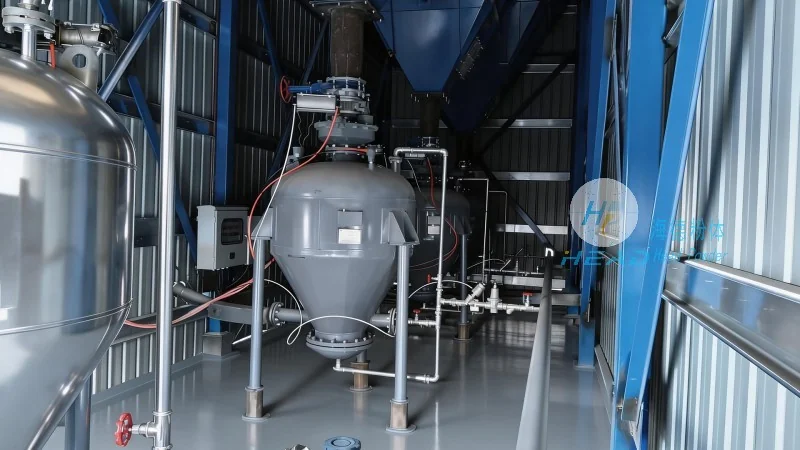
Understanding Carbon Additive Powders and Their Transport Needs
Carbon additive powders, such as calcined petroleum coke, anthracite, or graphite, are characterized by their fine particle size, low bulk density, and potential for dust generation. These properties make traditional bulk material handling methods less effective, as they can lead to material degradation, equipment wear, and safety hazards. Therefore, specialized conveyance systems are required to ensure reliable and safe transport of these powders from storage to processing units.
Common Conveyance Methods for Carbon Additive Powders
Several conveyance techniques are commonly employed in industrial settings to handle carbon additive powders. Each method has distinct advantages and is suitable for different operational conditions, including material characteristics, distance, and environmental factors. The primary methods include:
Air-Flow or Pneumatic Conveying
Air-flow or pneumatic conveying is one of the most widely used techniques for transporting carbon additive powders. This method involves moving the powder through a pipeline using a stream of air under pressure or suction. There are two main types: pressure systems (positive pressure pushing material) and vacuum systems (negative pressure drawing material). Pneumatic conveying offers benefits like high transport capacity, minimal material degradation, and the ability to handle powders with varying particle sizes. However, it requires careful design to prevent particle segregation and ensure consistent flow rates.
Screw Conveyors
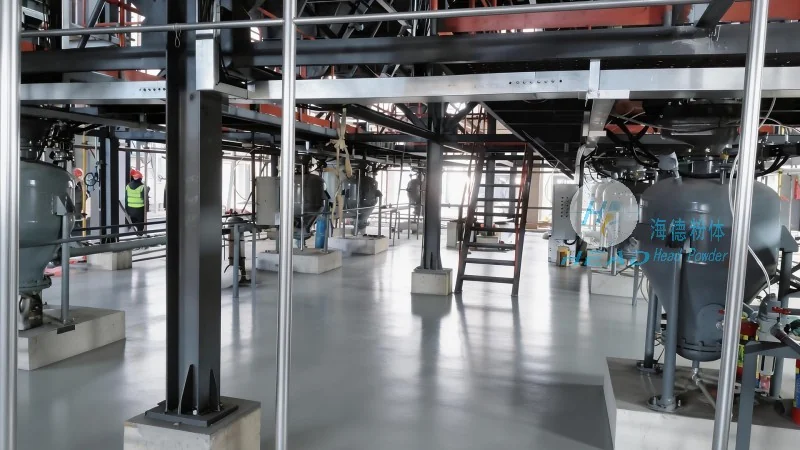
Screw conveyors, also known as auger conveyors, are another common method for transporting carbon additive powders. These systems consist of a rotating screw (auger) enclosed in a U-shaped or cylindrical tube. The screw rotates, pushing the powder along the tube. Screw conveyors are suitable for short to medium distances and can handle a wide range of powder types, including those with high moisture content or sticky properties. They are relatively simple in design, easy to install, and can be integrated with other processing equipment. However, they may experience wear and tear on the screw and tube, especially when handling abrasive powders, and may not be as efficient for long-distance transport.
Vibrating Conveyors
Vibrating conveyors use mechanical vibrations to move carbon additive powders along a trough or conveyor belt. The conveyor is typically made of a flexible material, such as rubber or plastic, and is vibrated at a specific frequency and amplitude. This vibration causes the powder to move forward by a series of small steps. Vibrating conveyors are effective for handling powders with high moisture content or those that tend to stick to surfaces. They are also suitable for inclined or horizontal transport and can be designed to handle large volumes of material. However, they may require more maintenance than other systems and can be less efficient for very fine powders.
Bucket Elevators
Bucket elevators are vertical or inclined conveyors that use a series of buckets attached to a chain or belt to transport carbon additive powders. The buckets are filled with the powder at the bottom of the conveyor and then lifted to the top, where the material is discharged. Bucket elevators are ideal for vertical transport over long distances and can handle large volumes of material. They are commonly used in industries such as cement, mining, and chemical processing. However, they require regular maintenance to ensure the buckets remain in good condition and can be more expensive to install than other conveyance systems.
Key Factors in Selecting a Conveyance System
The choice of conveyance method for carbon additive powders depends on several factors, including the material's physical properties, the distance to be covered, the required throughput, and the operational environment. Shandong HeadPowder Engineering Co., Ltd. provides comprehensive technical support to help clients select the most appropriate system for their specific needs. Key considerations include:
Material Characteristics
The particle size, density, and flowability of the carbon additive powder are critical factors in system selection. For example, fine powders may require air-flow or vibrating conveyors to prevent clogging, while larger particles may be better suited for screw or bucket elevators. The moisture content and tendency of the powder to stick to surfaces also influence the choice of conveyor type.
Transport Distance and Layout
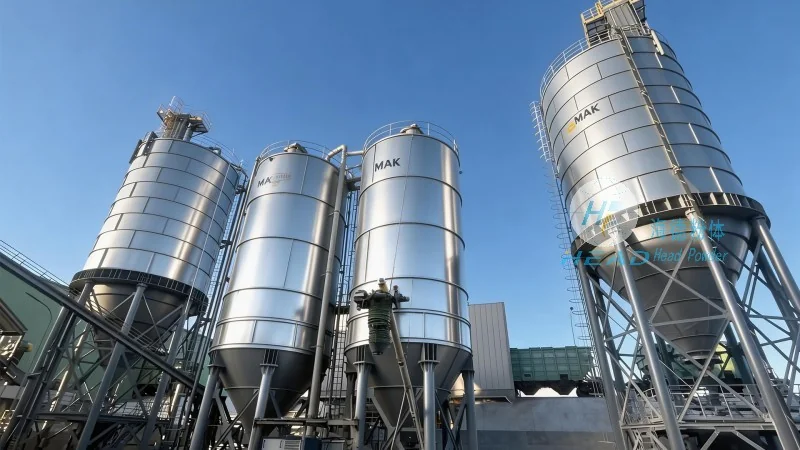
The distance between the storage and processing areas, as well as the layout of the facility, affects the choice of conveyance method. Short distances may be suitable for screw or vibrating conveyors, while longer distances may require pneumatic or bucket elevators. The presence of vertical or horizontal changes in elevation also plays a role in system selection.
Throughput Requirements
The required capacity of the conveyance system, measured in tons per hour or cubic meters per hour, determines the size and type of equipment needed. Higher throughput may necessitate multiple conveyors or larger-diameter pipelines in pneumatic systems.
Environmental and Safety Considerations
Carbon additive powders can be dusty and may pose health and safety risks if not handled properly. Conveyance systems must be designed to minimize dust generation and ensure proper ventilation. Additionally, the system should comply with local regulations regarding dust control and material handling.
Customized Solutions from Shandong HeadPowder Engineering Co., Ltd.
Shandong HeadPowder Engineering Co., Ltd. specializes in designing and manufacturing customized powder handling systems tailored to the unique requirements of each client. The company's expertise in carbon additive powders and industrial conveyance allows them to provide solutions that optimize efficiency, reduce operational costs, and enhance safety. By working closely with clients, the company ensures that the selected system meets all technical and operational standards, resulting in reliable and long-lasting performance.
Whether you need a pneumatic conveying system for fine powders or a screw conveyor for bulk material transport, Shandong HeadPowder Engineering Co., Ltd. offers a range of options to meet your specific needs. Their commitment to quality and customer satisfaction makes them a trusted partner in the industry. For more information on carbon additive powder conveyance methods and customized solutions, contact Shandong HeadPowder Engineering Co., Ltd. in Shandong, China.

 Công ty TNHH Kỹ thuật Công trình Bột Hải Đức Sơn Đông
 156-6277-7102(Quản lý Trương)
  0531-83386006
  Quận Chương Khâu, Thành phố Tế Nam, Tỉnh Sơn Đông, Trung Quốc
Điện thoại
WeChatTư vấn
Lên đầu