Công ty Hải Đức Bột với hơn 10 năm kinh nghiệm vận chuyển khí, cung cấp hệ thống‑thiết bị‑quạt gió và nhận dự án tổng thầu bột cả nước
When it comes to transporting white sugar efficiently and safely, a well-designed pneumatic conveying system is crucial. The right system not only ensures optimal performance but also minimizes operational costs and maintenance issues. This article will guide you through the key considerations and steps to design a reasonable white sugar pneumatic conveying system, with insights from Shandong HeadPowder Engineering Co., Ltd., a leading provider in the field.
Understanding the Core Components of a White Sugar Pneumatic Conveying System
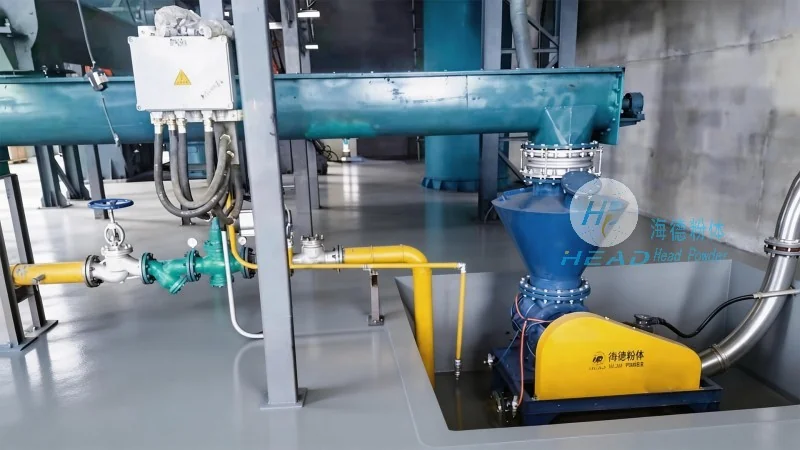
A pneumatic conveying system for white sugar typically consists of several key components. These include the material feed hopper, the conveying line (pipes), the air supply system (blowers or compressors), and the separation and collection equipment. Each component plays a vital role in the overall efficiency and reliability of the system. The feed hopper is designed to store and feed the sugar into the system, ensuring a consistent flow. The conveying line, often made of stainless steel to prevent contamination and corrosion, transports the sugar particles along with the air. The air supply system provides the necessary pressure and volume to move the material through the pipes. Finally, the separation equipment, such as cyclones or filters, separates the sugar from the air, allowing for clean collection.
Choosing the Right Pneumatic Conveying Type for White Sugar
There are two main types of pneumatic conveying systems: positive pressure and negative pressure. The choice between these depends on factors like the distance to be covered, the material characteristics, and the required capacity. Positive pressure systems use a blower to push air and material through the line, making them suitable for longer distances and higher capacities. Negative pressure systems, on the other hand, use a vacuum to draw material into the line, which is ideal for shorter distances and when the material is sensitive to pressure changes. For white sugar, which is a fine, dry powder, both systems can be effective, but the selection should be based on the specific operational requirements and the physical properties of the sugar.
Designing the Conveying Line and Pipe Sizing
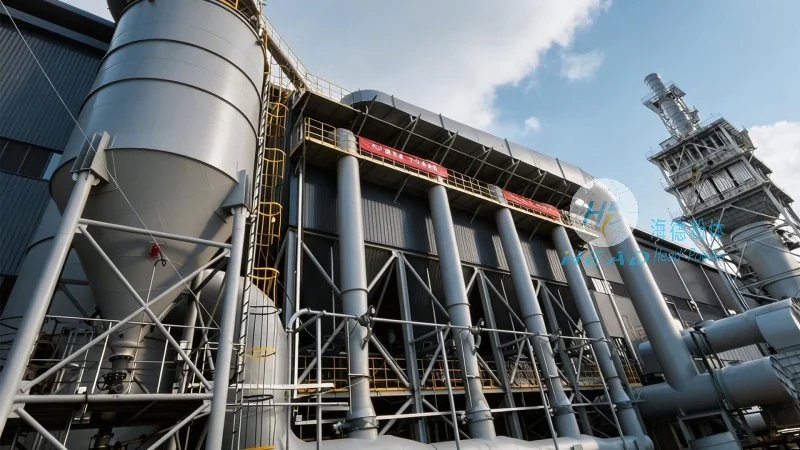
The design of the conveying line is critical to the system's performance. The pipe diameter and length must be carefully calculated to ensure that the air velocity is sufficient to move the sugar particles without causing excessive pressure drop or material degradation. The air velocity should be high enough to prevent the sugar from settling in the pipes but low enough to avoid excessive wear and tear on the equipment. Shandong HeadPowder Engineering Co., Ltd. recommends using stainless steel pipes with smooth interiors to minimize friction and maintain the quality of the sugar. The pipe layout should also be designed to avoid sharp bends and changes in direction, as these can cause blockages and increase energy consumption.
Selecting the Appropriate Air Supply Equipment
The air supply equipment, such as centrifugal blowers or positive displacement blowers, must be selected based on the system's required air volume and pressure. The blower's capacity should be sufficient to overcome the pressure losses in the conveying line and the resistance of the separation equipment. For white sugar applications, it is important to choose a blower that can handle the fine particles without causing clogging or excessive noise. Shandong HeadPowder Engineering Co., Ltd. offers a range of high-efficiency blowers that are specifically designed for handling powders like sugar, ensuring reliable and energy-efficient operation.
Implementing Effective Separation and Collection Systems
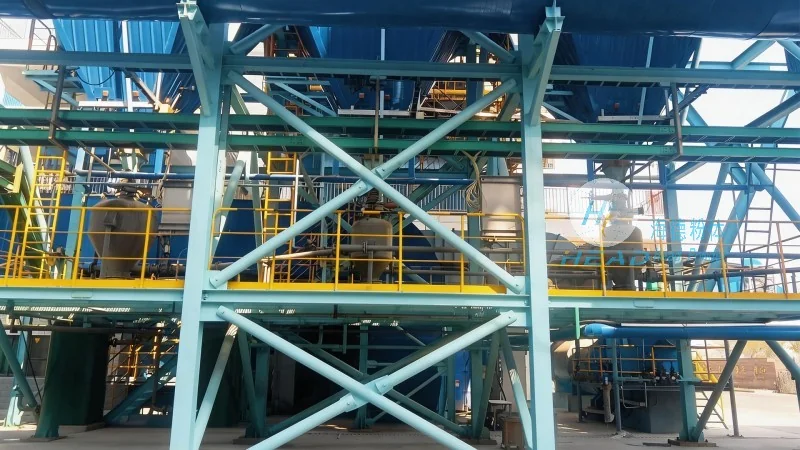
After the sugar has been conveyed, it needs to be separated from the air and collected. This is typically done using cyclone separators or bag filters. Cyclones use centrifugal force to separate the sugar from the air, while bag filters use a fabric medium to trap the particles. The choice between these depends on the required separation efficiency and the capacity of the system. For white sugar, high separation efficiency is essential to prevent loss of product and maintain product quality. Shandong HeadPowder Engineering Co., Ltd. provides advanced separation systems that ensure minimal product loss and clean air discharge.
Ensuring System Reliability and Maintenance
A well-designed pneumatic conveying system for white sugar should be reliable and easy to maintain. Regular maintenance is crucial to ensure the system operates at peak efficiency and to prevent downtime. This includes checking the blower performance, cleaning the separation equipment, and inspecting the conveying line for any signs of wear or blockage. Shandong HeadPowder Engineering Co., Ltd. offers comprehensive maintenance services and spare parts to support their clients, ensuring that the system remains in optimal condition throughout its lifespan.
Conclusion: Partnering with a Specialist for Optimal White Sugar Pneumatic Conveying Solutions
Designing a reasonable white sugar pneumatic conveying system requires careful consideration of various factors, including the system type, pipe design, and equipment selection. By working with a specialist like Shandong HeadPowder Engineering Co., Ltd., you can ensure that your system is tailored to your specific needs, providing efficient, reliable, and cost-effective transportation of white sugar. With their expertise and experience, you can achieve optimal performance and minimize operational challenges, making your white sugar handling process more efficient and profitable.

 Công ty TNHH Kỹ thuật Công trình Bột Hải Đức Sơn Đông
 156-6277-7102(Quản lý Trương)
  0531-83386006
  Quận Chương Khâu, Thành phố Tế Nam, Tỉnh Sơn Đông, Trung Quốc
Điện thoại
WeChatTư vấn
Lên đầu