Công ty Hải Đức Bột với hơn 10 năm kinh nghiệm vận chuyển khí, cung cấp hệ thống‑thiết bị‑quạt gió và nhận dự án tổng thầu bột cả nước
When it comes to handling soybeans efficiently and safely, the design of a pneumatic conveying system plays a crucial role. A well-designed system not only ensures smooth material flow but also minimizes operational costs and reduces the risk of product damage. This article will explore the key considerations and steps involved in creating an optimal soybean pneumatic conveying system plan, with a focus on practical solutions tailored to the specific needs of the industry.
About HeadPowder Engineering
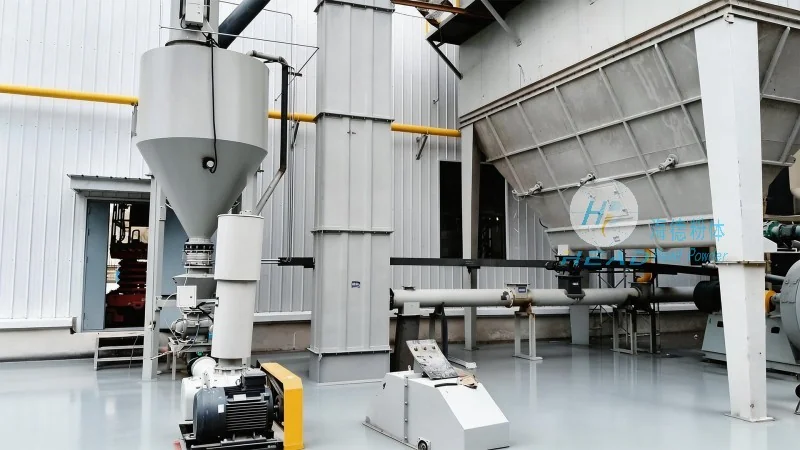
HeadPowder, or Shandong HeadPowder Engineering Co., Ltd., is a leading provider of engineering solutions for material handling systems. With a strong presence in China, particularly in Shandong province, the company specializes in designing and implementing pneumatic conveying systems for various agricultural products, including soybeans. Their expertise lies in creating customized solutions that enhance productivity while maintaining the quality of the product throughout the conveying process.
Key Factors in System Design
The success of a soybean pneumatic conveying system depends on several critical factors. First, the system must be designed to handle the specific characteristics of soybeans, such as their size, density, and moisture content. These properties affect the air velocity required for effective transport and the selection of appropriate equipment like hoppers, cyclones, and filters. Second, the system layout must consider the spatial constraints of the facility, ensuring that the conveying lines are arranged in a way that minimizes pressure losses and energy consumption. Third, the choice of conveying method—whether positive or negative pressure—needs to be carefully evaluated based on the distance, height, and number of transfer points. A positive pressure system, for example, is often preferred for long-distance or multi-level conveying due to its ability to maintain consistent air flow and prevent material degradation.
Equipment Selection for Soybean Conveying
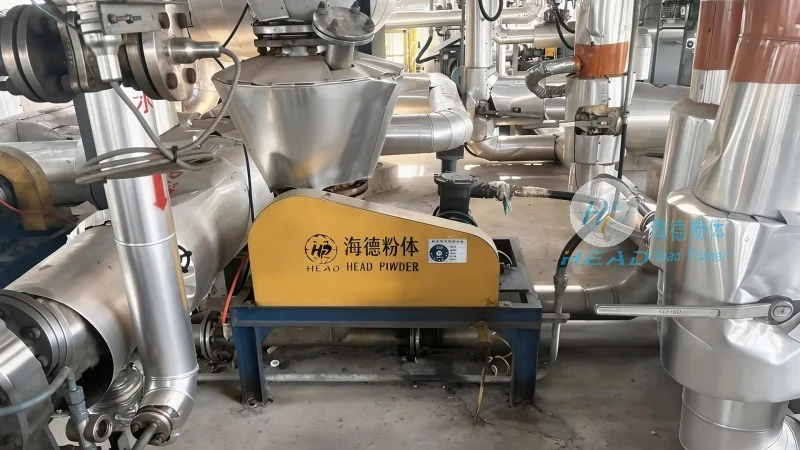
HeadPowder Engineering offers a range of equipment tailored to the unique requirements of soybean handling. The primary components of a pneumatic conveying system include the hopper, which serves as the storage and feeding unit, and the conveyor itself, which can be either a dilute-phase or dense-phase system. For soybeans, a dilute-phase system is commonly used because it allows for high throughput and lower energy consumption compared to dense-phase systems. The system may also include a dust collector to capture fine particles and maintain air quality, as well as a filter to prevent clogging and ensure smooth operation. The selection of these components is based on factors such as the desired conveying capacity, the distance between the source and destination, and the need for product protection. For instance, a system designed for long-distance conveying might incorporate a larger hopper and a more powerful blower to maintain consistent air pressure.
System Layout and Optimization
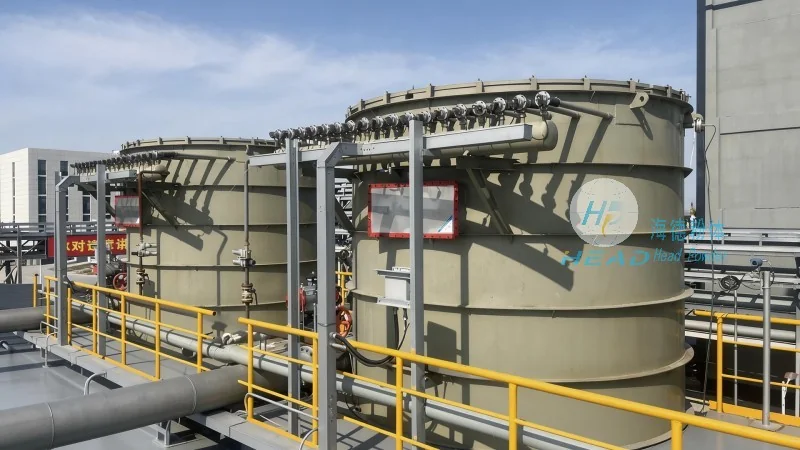
The layout of the soybean pneumatic conveying system is another critical aspect of its design. The system should be arranged to minimize the number of bends and changes in direction, as these can cause pressure drops and increase the risk of material blockages. The use of straight sections and gradual bends helps maintain the air flow and prevent the accumulation of soybeans in the lines. Additionally, the system should be designed with easy access points for maintenance, such as access doors and inspection ports, to facilitate regular cleaning and repairs. HeadPowder Engineering emphasizes the importance of regular maintenance to ensure the system operates at peak efficiency. This includes cleaning the hopper and conveyor lines, checking for wear and tear on components, and monitoring air pressure and flow rates. By implementing these maintenance practices, the system can achieve longer service life and lower operational costs.
Safety and Compliance Considerations
When designing a soybean pneumatic conveying system, safety is a top priority. The system must comply with relevant safety standards and regulations to prevent accidents and ensure the well-being of operators. This includes proper ventilation to remove dust and fumes, the use of explosion-proof equipment in areas where there is a risk of dust accumulation, and the installation of safety valves and pressure relief devices. Additionally, the system should be designed to prevent the buildup of static electricity, which can be a fire hazard in environments with dry soybeans. HeadPowder Engineering adheres to strict safety protocols and works closely with clients to ensure that all aspects of the system meet local and international standards. This commitment to safety not only protects the workforce but also enhances the reputation of the company and its clients.
Conclusion and Recommendations
Designing a rational soybean pneumatic conveying system requires a comprehensive approach that considers the specific characteristics of the product, the operational requirements of the facility, and the expertise of the engineering team. HeadPowder Engineering, with its extensive experience in material handling systems, offers tailored solutions that address these needs effectively. By focusing on key factors such as equipment selection, system layout, and maintenance, companies can achieve efficient and reliable soybean conveying, reducing costs and improving overall productivity. For those looking to implement a new system or upgrade an existing one, consulting with a professional engineering firm like HeadPowder is essential to ensure the best possible outcome. With their commitment to quality and customer satisfaction, HeadPowder Engineering is well-positioned to help clients achieve their material handling goals while maintaining the highest standards of safety and efficiency.

 Công ty TNHH Kỹ thuật Công trình Bột Hải Đức Sơn Đông
 156-6277-7102(Quản lý Trương)
  0531-83386006
  Quận Chương Khâu, Thành phố Tế Nam, Tỉnh Sơn Đông, Trung Quốc
Điện thoại
WeChatTư vấn
Lên đầu