Công ty Hải Đức Bột với hơn 10 năm kinh nghiệm vận chuyển khí, cung cấp hệ thống‑thiết bị‑quạt gió và nhận dự án tổng thầu bột cả nước
When it comes to handling soda ash, selecting the right pneumatic conveying system is crucial for efficiency, reliability, and cost-effectiveness. A well-designed system ensures smooth material transport, minimizes downtime, and enhances overall operational performance. This article explores the key factors and steps involved in designing a reasonable soda ash pneumatic conveying system, with insights from industry experts at Shandong HeadPowder Engineering Co., Ltd., commonly known as headpowder.
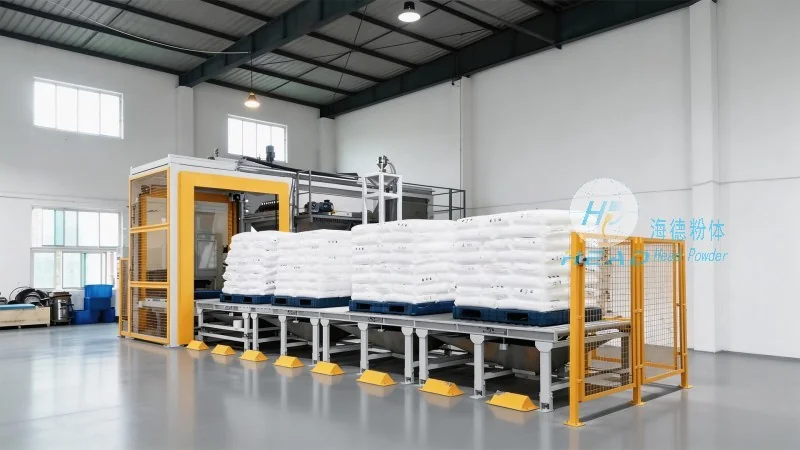
Understanding the Core Requirements for Soda Ash Pneumatic Conveying
Before diving into system design, it's essential to understand the specific characteristics of soda ash and the operational demands of the application. Soda ash, also known as sodium carbonate, is a fine, dry powder with properties that influence how it behaves in a conveying system. Key considerations include the material's bulk density, particle size distribution, moisture content, and flowability. These factors directly impact the choice of system type—whether it's a positive pressure, negative pressure, or a hybrid system. For instance, if the material is prone to bridging or has a high dust generation rate, a positive pressure system with proper airlocks and filters may be more suitable. Conversely, if the process requires a closed loop with minimal external air intake, a negative pressure system could be preferred. The distance between the source and destination, as well as the number of transfer points, also plays a critical role in determining the system's capacity and energy consumption.
System Type Selection: Positive Pressure vs. Negative Pressure
One of the first decisions in designing a soda ash pneumatic conveying system is choosing between positive and negative pressure systems. Positive pressure systems, where air is forced through the material, are often preferred for their ability to handle abrasive or corrosive materials like soda ash. They typically use rotary airlocks at the inlet and discharge points to control material flow and prevent backflow. The air pressure in these systems is usually maintained at a higher level than the ambient air, ensuring consistent material transport. On the other hand, negative pressure systems draw material into the system using suction, which can be advantageous in applications where dust control is a priority. However, they may require more robust filtration to prevent air leakage and maintain system integrity. The choice between these two depends on factors such as the material's properties, the required transfer distance, and the environmental regulations in the operating area. At headpowder, our engineers conduct thorough assessments to recommend the most suitable system type based on these criteria.
Key Components and Equipment for Efficient Conveying
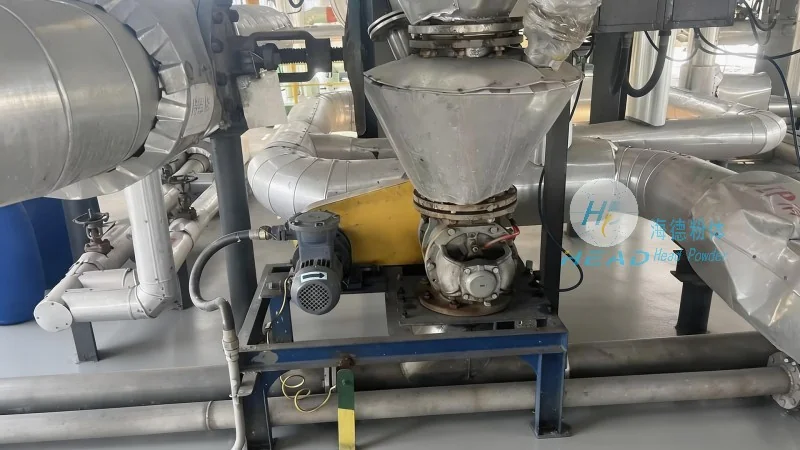
A soda ash pneumatic conveying system consists of several critical components that work in tandem to ensure smooth operation. The primary components include the material feed hopper, rotary airlock, conveying line (often with bends and straight sections), dust collector or filter system, and the discharge outlet. The feed hopper must be designed to accommodate the bulk density of soda ash and prevent material bridging, which can lead to blockages. The rotary airlock, positioned at the inlet and outlet, acts as a valve to control the flow of material and air, preventing backflow and maintaining system pressure. The conveying line's diameter and length are critical; larger diameters reduce pressure drop but increase cost, while longer lines may require additional booster fans to maintain sufficient air velocity. The air velocity in the line must be high enough to keep the material suspended but not so high as to cause excessive wear on the system components. The dust collector or filter system is essential for maintaining air quality and complying with environmental regulations. It captures any fine particles that escape the conveying line and returns them to the system or disposes of them as required. At Shandong HeadPowder Engineering Co., Ltd., we specialize in selecting and integrating these components to create a cohesive and efficient system tailored to the client's needs.
Design Considerations for System Capacity and Flow Rate
Calculating the appropriate system capacity and flow rate is a critical step in designing a soda ash pneumatic conveying system. The capacity is determined by the material's bulk density, the required transfer rate, and the system's pressure drop. The flow rate is typically expressed in terms of material volume per hour or weight per hour. To calculate the required air volume, engineers use the formula: Air Volume = (Material Flow Rate × Specific Gravity) / (Air Density × Pressure Ratio). This calculation ensures that the system has enough air to maintain the material in suspension and overcome any resistance in the conveying line. The pressure drop across the system is another important factor, as it indicates the energy required to move the material. A higher pressure drop means more energy consumption and potentially higher operating costs. Engineers at headpowder use advanced software and computational fluid dynamics (CFD) simulations to model the system and optimize the pressure drop, ensuring efficient operation. They also consider the impact of variations in material properties, such as changes in bulk density due to moisture content or temperature, which can affect the system's performance over time.
Material Handling and Safety Measures
Handling soda ash requires attention to safety and material integrity. Soda ash is a caustic material and can cause skin irritation or respiratory issues if not handled properly. Therefore, the conveying system must incorporate appropriate safety measures, such as dust suppression systems, explosion-proof components, and proper ventilation. The system should also be designed to prevent material buildup and blockages, which can lead to system failure or safety hazards. Regular maintenance and cleaning of the system components are essential to ensure long-term performance and safety. At Shandong HeadPowder Engineering Co., Ltd., we emphasize safety in all our designs, incorporating features like automatic shut-off valves, pressure relief devices, and emergency stop buttons to protect both personnel and equipment. Our team follows industry standards and best practices to ensure that the system is safe and compliant with local regulations.
Integration with Existing Facilities and Future Expansion
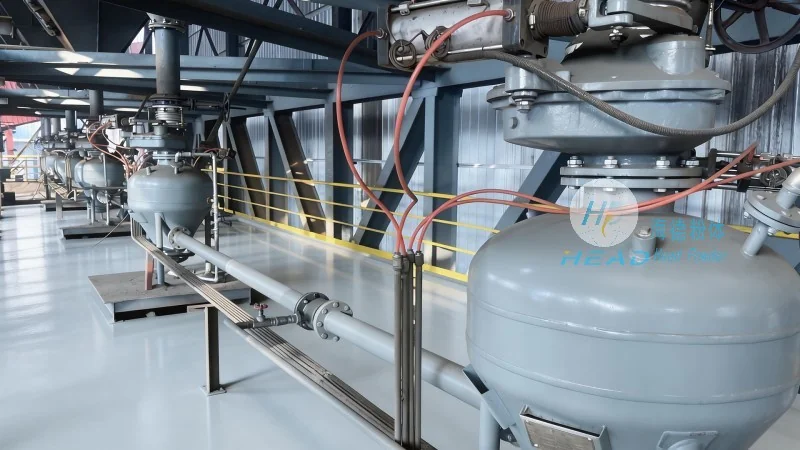
When designing a soda ash pneumatic conveying system, it's important to consider how it will integrate with existing facilities and accommodate future expansion. The system should be compatible with the existing infrastructure, such as the building layout, electrical supply, and material storage areas. This integration minimizes disruption to current operations and reduces installation costs. Additionally, the system should be designed with scalability in mind, allowing for future upgrades or expansions without major modifications. For example, if the client's production capacity is expected to increase in the future, the system should have the capability to handle higher flow rates by adding booster fans or increasing the conveying line diameter. At headpowder, our engineers work closely with clients to assess their current and future needs, ensuring that the system is not only efficient but also adaptable to changing requirements. This approach helps clients avoid costly retrofits and ensures long-term investment value.
Case Studies and Real-World Applications
To illustrate the effectiveness of well-designed soda ash pneumatic conveying systems, let's consider a few real-world applications. One example is a chemical plant in China that uses a positive pressure system to transport soda ash from a storage silo to a processing unit over a distance of 200 meters. The system, designed by headpowder, uses a 150mm conveying line with a booster fan to maintain the required air velocity. The plant reported a 20% reduction in material handling time and a 15% decrease in energy consumption compared to their previous system. Another case involves a food processing facility that implemented a negative pressure system to convey soda ash for a cleaning process. The system's dust collector effectively captured fine particles, ensuring compliance with environmental regulations and improving air quality in the facility. These examples highlight the importance of proper system design in achieving operational efficiency and meeting regulatory requirements. At Shandong HeadPowder Engineering Co., Ltd., we draw on such case studies to inform our design processes and provide clients with solutions that are proven to work in real-world scenarios.
Conclusion: Partnering with Experts for Optimal System Design
Designing a reasonable soda ash pneumatic conveying system requires a comprehensive understanding of material properties, operational requirements, and system components. It involves careful consideration of system type, capacity, flow rate, and safety measures, all tailored to the specific needs of the client. At Shandong HeadPowder Engineering Co., Ltd., our team of experienced engineers specializes in creating customized solutions that meet these requirements. By leveraging our expertise and industry knowledge, we help clients achieve efficient, reliable, and cost-effective material transport. Whether you're looking to replace an existing system or design a new one, partnering with headpowder ensures that your soda ash pneumatic conveying system is optimized for performance and longevity. With our commitment to quality and customer satisfaction, we are dedicated to providing solutions that enhance your operational efficiency and support your business growth.

 Công ty TNHH Kỹ thuật Công trình Bột Hải Đức Sơn Đông
 156-6277-7102(Quản lý Trương)
  0531-83386006
  Quận Chương Khâu, Thành phố Tế Nam, Tỉnh Sơn Đông, Trung Quốc
Điện thoại
WeChatTư vấn
Lên đầu