Công ty Hải Đức Bột với hơn 10 năm kinh nghiệm vận chuyển khí, cung cấp hệ thống‑thiết bị‑quạt gió và nhận dự án tổng thầu bột cả nước
When it comes to transporting bulk materials like aggregates efficiently and reliably, pneumatic conveying systems offer a sophisticated solution. The design of such systems requires careful consideration of multiple factors to ensure optimal performance, safety, and cost-effectiveness. This article provides a comprehensive guide to designing a reasonable aggregate pneumatic conveying system plan, highlighting key considerations and best practices from industry experts at Shandong HeadPowder Engineering Co., Ltd.
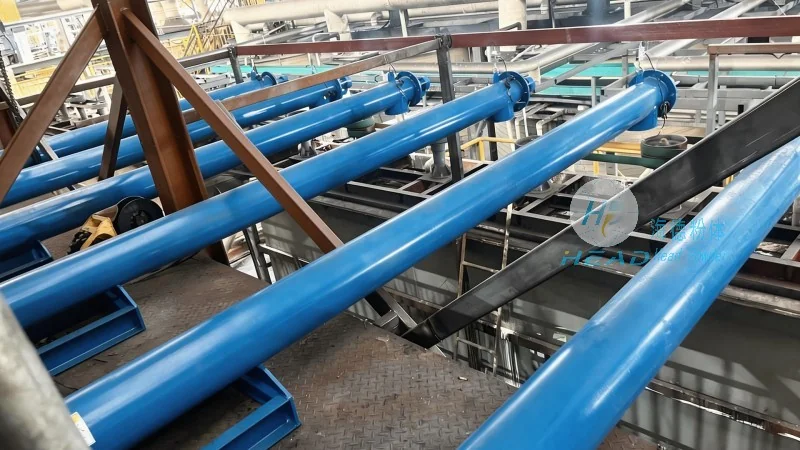
Understanding the Core Components of Pneumatic Conveying Systems
At the heart of any pneumatic conveying system is a network of components working in harmony. The primary elements include the material feed hopper, the conveying line (typically made of stainless steel or other corrosion-resistant materials), the air compressor or blower, and the receiving hopper. Each component plays a critical role in the overall system performance. For aggregate materials, which often vary in size and density, selecting the right components is paramount. The feed hopper must be designed to handle the specific bulk density and flow characteristics of the aggregates, while the conveying line must be sized appropriately to maintain the desired air velocity and pressure.
Key Design Considerations for Aggregate Pneumatic Conveying
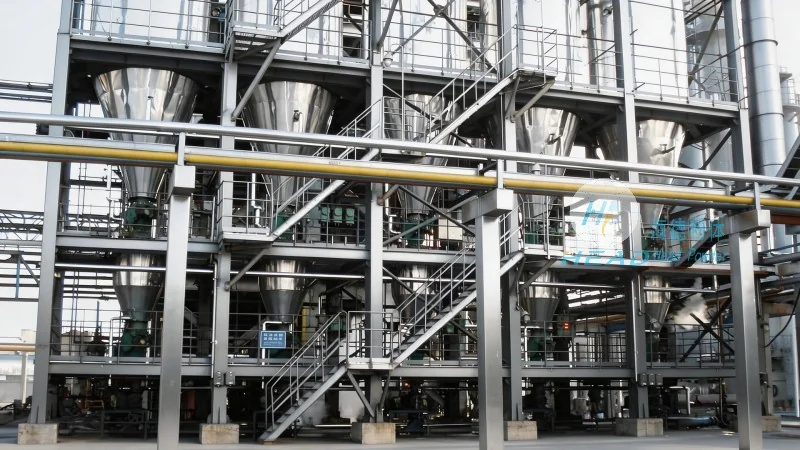
Several critical factors must be evaluated during the design phase. First, the system type—whether it's a positive pressure, negative pressure, or a combination of both—needs to be determined based on the material characteristics and the distance to be conveyed. Positive pressure systems are commonly used for long-distance or high-capacity applications, as they can maintain consistent air pressure throughout the line. Negative pressure systems, on the other hand, are suitable for shorter distances and when dust control is a priority. The choice of system type directly impacts the energy consumption and operational costs.
Second, the air velocity and pressure requirements are crucial. The air velocity must be high enough to keep the aggregates in suspension but not so high as to cause excessive wear on the system components. Typically, air velocities range from 20 to 30 meters per second for fine powders and up to 40 meters per second for larger aggregates. The pressure levels are determined by the system's length, elevation changes, and the specific material's properties. Engineers at Shandong HeadPowder Engineering Co., Ltd. use advanced computational fluid dynamics (CFD) simulations to model these parameters and optimize the system design for maximum efficiency.
Material Handling and System Integration
Aggregate materials present unique challenges due to their varying particle sizes and shapes. The design must account for potential blockages or agglomeration, which can lead to system downtime. To mitigate these risks, the system may include features such as rotary valves, airlocks, and vibration devices to ensure smooth material flow. Additionally, the integration of the pneumatic conveying system with existing infrastructure, such as storage silos or processing equipment, is essential. Proper alignment and sealing at the connections prevent material loss and maintain system integrity.
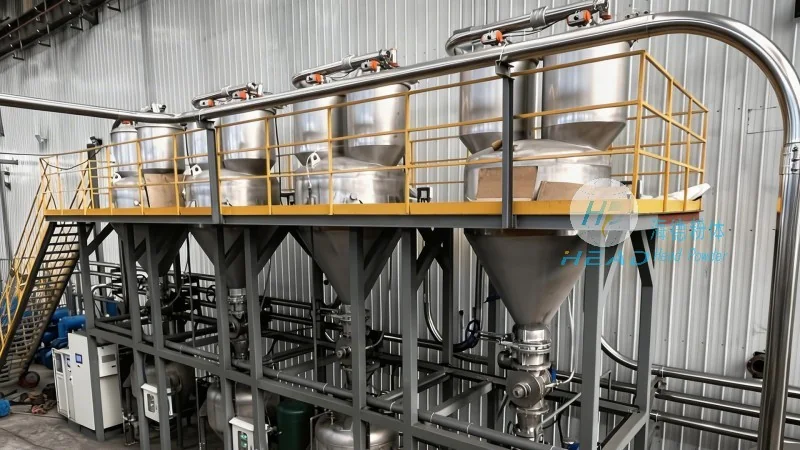
Energy Efficiency and Maintenance Considerations
Designing an energy-efficient pneumatic conveying system is a key objective for modern industrial applications. The selection of high-efficiency air compressors and the optimization of air pressure levels can significantly reduce operational costs. Regular maintenance is also critical to ensure long-term system reliability. Components like filters, air dryers, and check valves require periodic inspection and replacement to prevent performance degradation. Shandong HeadPowder Engineering Co., Ltd. emphasizes proactive maintenance strategies, including predictive monitoring and scheduled servicing, to minimize downtime and extend the system's lifespan.
Case Study: Successful Implementation of an Aggregate Pneumatic Conveying System
One of the notable projects undertaken by Shandong HeadPowder Engineering Co., Ltd. involved designing a pneumatic conveying system for a construction materials plant in China. The system was tasked with transporting 500 tons of aggregates per hour over a distance of 200 meters. The engineers at HeadPowder conducted thorough material analysis to determine the optimal air velocity and pressure. The final design incorporated a positive pressure system with a 150 kW air compressor and a stainless steel conveying line. The system achieved a throughput of 520 tons per hour with energy consumption at 0.8 kWh per ton, significantly outperforming the client's initial expectations. This success highlights the importance of meticulous design and engineering expertise in achieving efficient aggregate transportation.

 Công ty TNHH Kỹ thuật Công trình Bột Hải Đức Sơn Đông
 156-6277-7102(Quản lý Trương)
  0531-83386006
  Quận Chương Khâu, Thành phố Tế Nam, Tỉnh Sơn Đông, Trung Quốc
Điện thoại
WeChatTư vấn
Lên đầu