Công ty Hải Đức Bột với hơn 10 năm kinh nghiệm vận chuyển khí, cung cấp hệ thống‑thiết bị‑quạt gió và nhận dự án tổng thầu bột cả nước
Designing an efficient and reliable cereal pneumatic conveying system is crucial for optimizing material handling in food processing facilities. A well-planned system ensures smooth operation, reduces downtime, and maintains product quality. This guide outlines key considerations and steps to develop a comprehensive plan for such systems, presented by Shandong HeadPowder Engineering Co., Ltd., a leading provider in the field.
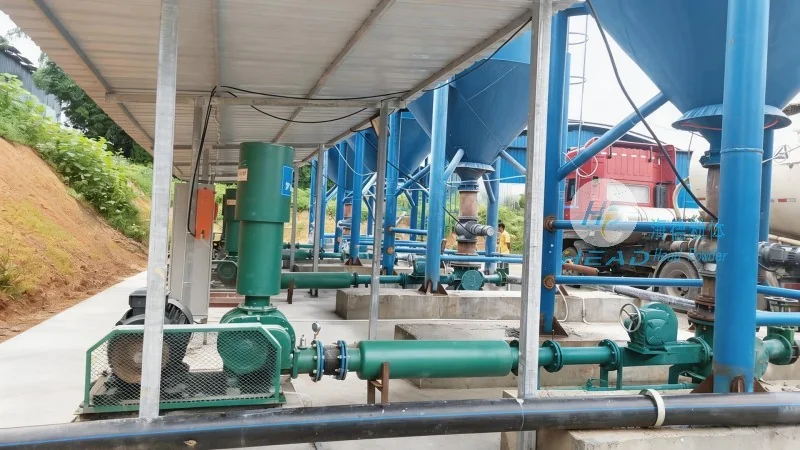
Understanding the Core Requirements for Cereal Pneumatic Conveying
Before initiating the design process, it is essential to thoroughly analyze the operational needs of the facility. This involves assessing the type of cereal being handled—such as wheat, corn, oats, or other grains—and their physical properties, including particle size, moisture content, and bulk density. These characteristics directly impact the selection of the most suitable pneumatic conveying method and equipment. For instance, lighter or more delicate cereals may require gentler handling to prevent breakage, which influences the choice between pressure or vacuum systems. Conversely, the distance between the source and destination points, as well as the required flow rate, must be precisely determined to ensure the system can meet production demands without excessive energy consumption or pressure loss.
Choosing the Right Pneumatic Conveying Type
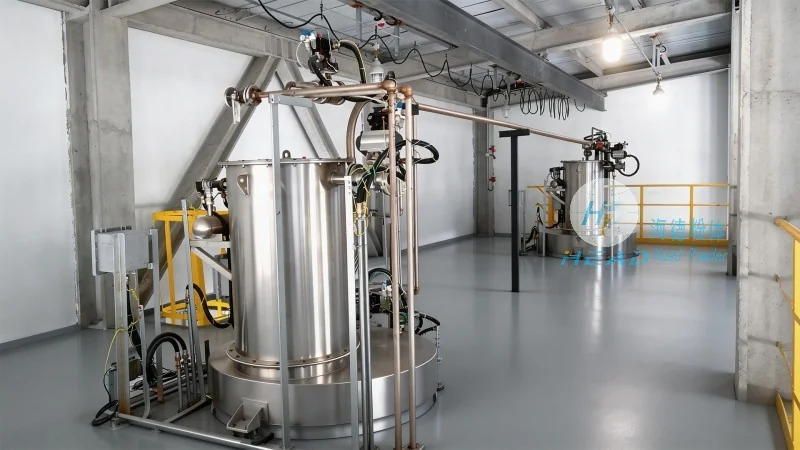
Two primary types of pneumatic conveying systems are commonly used in cereal processing: pressure (or positive pressure) and vacuum (or negative pressure) systems. Pressure systems use a blower or compressor to force air and material through the pipeline, making them ideal for long-distance or high-volume applications where the material needs to be transported from a central location to multiple points. Conversely, vacuum systems use a vacuum pump to draw material into the pipeline, which is often preferred for shorter distances or when the material is to be collected from multiple sources and transported to a single location. The decision between these systems depends on factors like the distance, number of transfer points, and the nature of the material. Shandong HeadPowder Engineering Co., Ltd. specializes in evaluating these factors to recommend the optimal system type for each client's specific requirements.
Equipment Selection and System Layout
Once the conveying type is determined, the next step is to select the appropriate equipment components. Key elements include the material feeders, which ensure consistent and controlled material introduction into the system; the conveying pipelines, which must be sized and configured to minimize pressure drop and maintain flow efficiency; and the separation and collection equipment, such as cyclones or filters, that separate the material from the air at the end of the process. The layout of the system is critical to its performance; an inefficient layout can lead to blockages, increased energy use, or reduced material throughput. Engineers at Shandong HeadPowder Engineering Co., Ltd. employ advanced design software and industry best practices to create layouts that optimize space, reduce costs, and enhance operational reliability.
Ensuring System Efficiency and Reliability
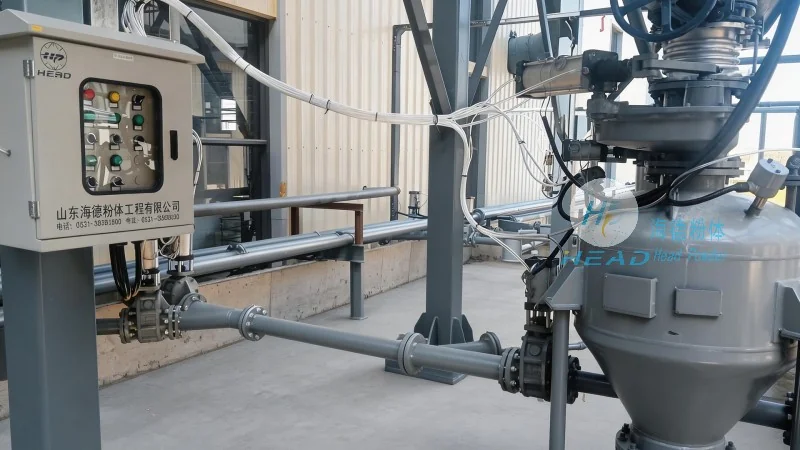
Efficiency in a cereal pneumatic conveying system is measured by several factors, including the pressure drop across the system, the air-to-material ratio, and the overall energy consumption. A well-designed system minimizes pressure loss by using appropriately sized pipelines and reducing bends and fittings that could impede flow. The air-to-material ratio is also carefully balanced to avoid excessive air usage, which increases operational costs. Additionally, incorporating features like air filters and moisture control systems helps maintain the quality of the cereal and prolongs the life of the equipment. Regular maintenance and monitoring are essential to ensure the system operates at peak efficiency over its lifespan. Shandong HeadPowder Engineering Co., Ltd. provides comprehensive support, including system maintenance plans and performance monitoring services, to help clients achieve long-term reliability and cost savings.
Compliance and Safety Considerations
Food processing facilities must adhere to strict safety and regulatory standards when handling cereal products. Pneumatic conveying systems must be designed to prevent contamination, ensure proper ventilation, and comply with local and international food safety guidelines. For example, the use of stainless steel components is common to prevent corrosion and maintain hygiene. Additionally, systems should include safety features such as pressure relief valves and emergency shut-off mechanisms to protect operators and equipment from potential hazards. Shandong HeadPowder Engineering Co., Ltd. ensures that all designs meet or exceed these standards, providing peace of mind to clients operating in the food industry.
Conclusion and Next Steps
Designing a reasonable cereal pneumatic conveying system requires a systematic approach that considers material properties, operational requirements, and industry standards. By following the steps outlined above and leveraging the expertise of professionals like those at Shandong HeadPowder Engineering Co., Ltd., food processing facilities can achieve efficient, reliable, and cost-effective material handling solutions. Whether upgrading an existing system or designing a new one, a well-planned approach ensures that the system meets current needs while being adaptable for future expansion. Shandong HeadPowder Engineering Co., Ltd., with its headquarters in Shandong, China, is committed to delivering high-quality engineering solutions tailored to the unique needs of each client.

 Công ty TNHH Kỹ thuật Công trình Bột Hải Đức Sơn Đông
 156-6277-7102(Quản lý Trương)
  0531-83386006
  Quận Chương Khâu, Thành phố Tế Nam, Tỉnh Sơn Đông, Trung Quốc
Điện thoại
WeChatTư vấn
Lên đầu