Công ty Hải Đức Bột với hơn 10 năm kinh nghiệm vận chuyển khí, cung cấp hệ thống‑thiết bị‑quạt gió và nhận dự án tổng thầu bột cả nước
When designing a soybean pneumatic conveying system, it is crucial to consider several key factors to ensure efficiency, reliability, and cost-effectiveness. The system's design must align with the specific characteristics of soybeans, such as their size, moisture content, and bulk density, as well as the operational requirements of the facility. A well-designed system can significantly improve material handling processes, reduce downtime, and enhance overall productivity. Shandong HeadPowder Engineering Co., Ltd., a leading provider of engineering solutions for bulk material handling, specializes in designing and implementing pneumatic conveying systems tailored to the needs of agricultural and food processing industries.
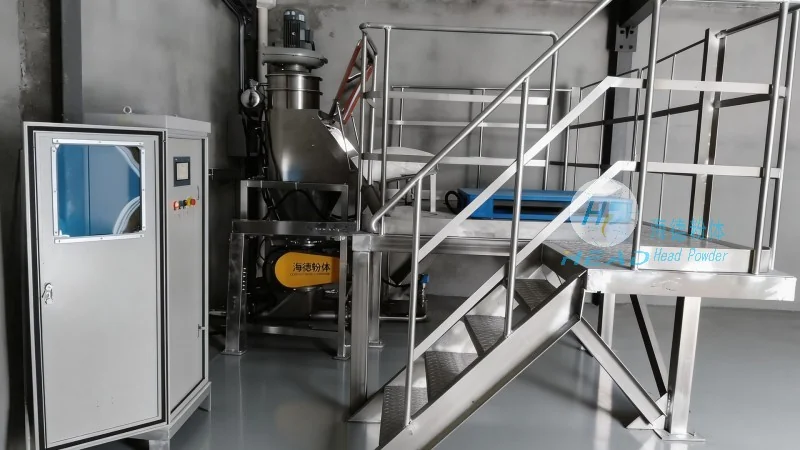
Key Components of a Soybean Pneumatic Conveying System
The core components of a pneumatic conveying system for soybeans typically include a hopper, a feeder, a conveying line, a receiver, and a dust collection system. The hopper is used to store the soybeans and maintain a consistent feed. The feeder, often a rotary valve or a screw feeder, regulates the flow of soybeans into the conveying line. The conveying line, which can be either a positive pressure or negative pressure system, transports the soybeans from the hopper to the receiver. The receiver collects the soybeans and may include a discharge valve or a silo for further processing. The dust collection system is essential to maintain air quality and prevent dust accumulation in the facility.
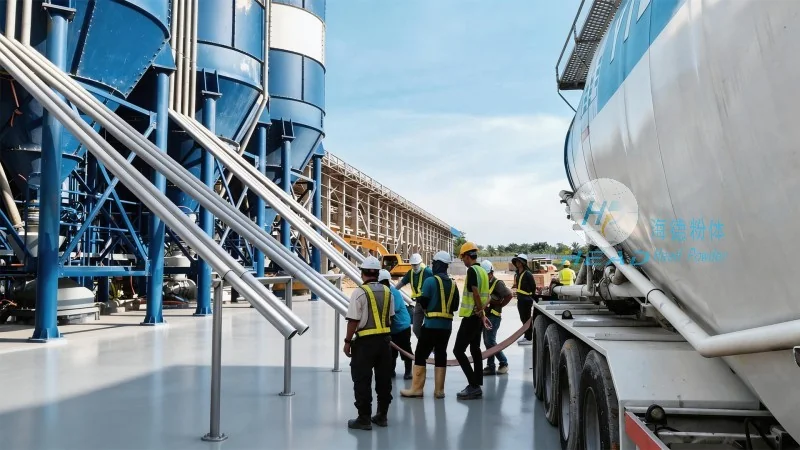
Design Considerations for Soybean Pneumatic Conveying
Several design considerations are critical when developing a soybean pneumatic conveying system. First, the system's capacity must be matched to the production requirements of the facility. This involves calculating the required flow rate based on the throughput of soybeans. Second, the selection of the conveying line type (positive or negative pressure) depends on factors like the distance between the hopper and receiver, the number of turns in the line, and the material's properties. Positive pressure systems are generally more suitable for longer distances or when handling abrasive materials, while negative pressure systems are better for shorter distances or when the material is less abrasive.
Material Handling Efficiency and System Reliability
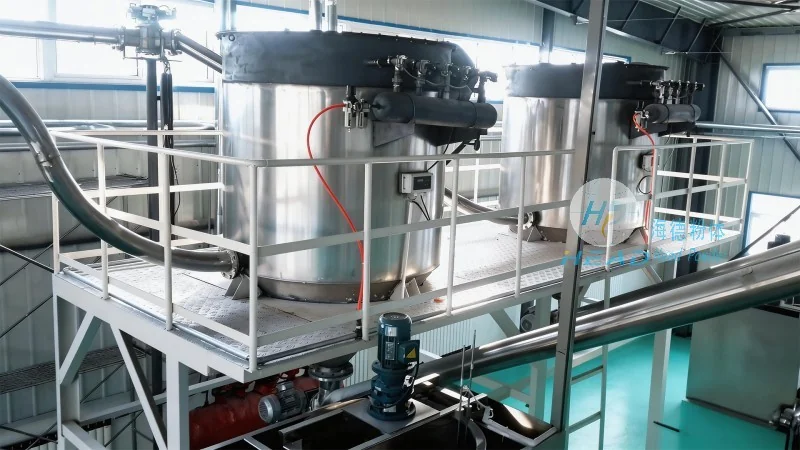
Efficient material handling is a primary goal of any pneumatic conveying system. The design must minimize the risk of material blockages or clogging, which can lead to system downtime. This is achieved through proper sizing of the conveying line, appropriate selection of the feeder, and the use of smooth, non-abrasive materials for the hopper and receiver. Additionally, the system should be equipped with monitoring and control devices to detect and address issues such as pressure drops or air leaks promptly. Regular maintenance, including cleaning of the conveying line and replacement of worn parts, is also essential to ensure long-term reliability.
Environmental and Safety Considerations
Environmental and safety considerations are integral to the design of a soybean pneumatic conveying system. The dust collection system must be efficient to prevent air pollution and comply with local regulations. Proper ventilation and dust extraction points should be integrated into the system to maintain a safe working environment. Additionally, the system should be designed to minimize noise levels, as pneumatic conveying can generate significant noise, which may affect the working conditions of personnel. Safety features such as emergency shut-off valves and pressure relief devices are also necessary to prevent accidents and ensure the safety of operators.
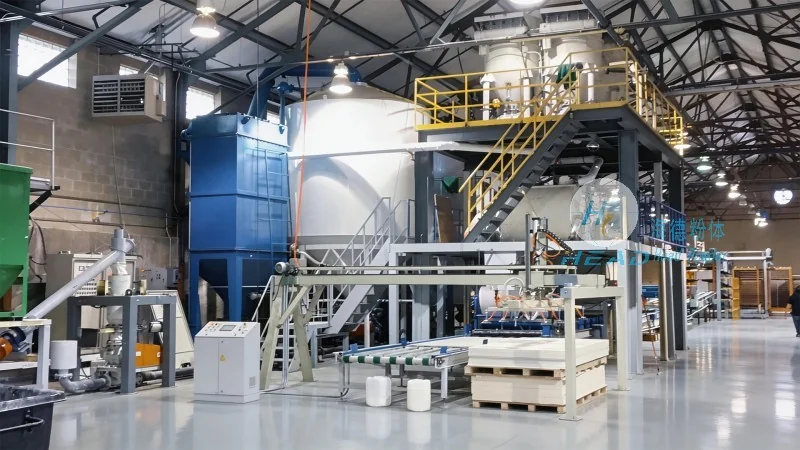
Customization and Integration with Existing Facilities
Many facilities have existing infrastructure that may need to be integrated with a new pneumatic conveying system. The design must consider the compatibility of the new system with the existing layout, including the location of the hopper, receiver, and other equipment. Customization is often required to adapt the system to the specific space constraints and operational needs of the facility. This may involve adjusting the size of the conveying line, modifying the hopper design, or integrating additional components such as a storage silo or a processing unit. The goal is to create a seamless system that enhances the overall functionality of the facility without disrupting existing operations.
Conclusion: Optimizing Soybean Handling with a Well-Designed System
Designing a reasonable soybean pneumatic conveying system requires a comprehensive approach that considers the material properties, operational requirements, and environmental factors. By carefully selecting the appropriate components and adhering to best practices in system design, facilities can achieve efficient, reliable, and cost-effective material handling. The system should be tailored to the specific needs of the facility, ensuring that it meets current and future production demands while maintaining safety and compliance with regulations. With proper planning and execution, a well-designed pneumatic conveying system can significantly improve the overall performance of soybean handling operations.

 Công ty TNHH Kỹ thuật Công trình Bột Hải Đức Sơn Đông
 156-6277-7102(Quản lý Trương)
  0531-83386006
  Quận Chương Khâu, Thành phố Tế Nam, Tỉnh Sơn Đông, Trung Quốc
Điện thoại
WeChatTư vấn
Lên đầu