Công ty Hải Đức Bột với hơn 10 năm kinh nghiệm vận chuyển khí, cung cấp hệ thống‑thiết bị‑quạt gió và nhận dự án tổng thầu bột cả nước
When it comes to efficiently handling haylage in agricultural operations, selecting the right pneumatic conveying system is crucial. A well-designed system not only ensures optimal material transport but also enhances overall operational efficiency and reduces maintenance costs. This article will guide you through the key considerations and steps involved in designing a rational haylage pneumatic conveying system, with insights from Shandong HeadPowder Engineering Co., Ltd., a leading provider in the field.
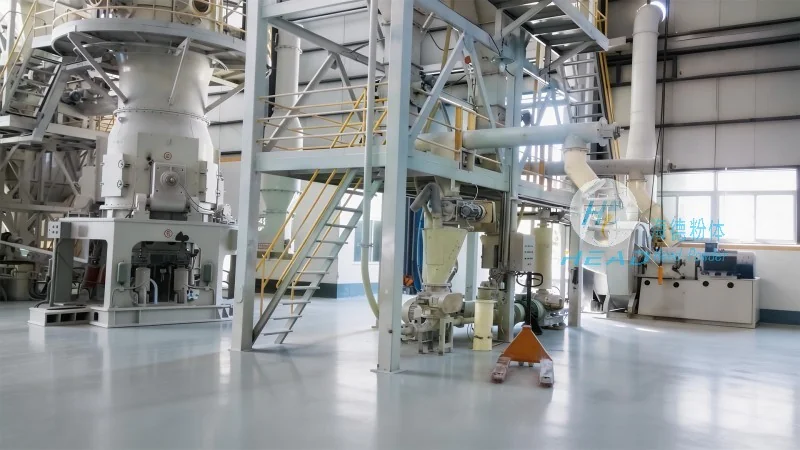
Understanding the Core Requirements for Haylage Pneumatic Conveying
Before diving into the design process, it's essential to understand the specific requirements of your haylage handling operation. The first step is to assess the volume and type of haylage you need to transport. Factors such as the moisture content, particle size, and bulk density of the material will directly impact the system's design. For instance, high-moisture haylage may require a system with enhanced air flow capabilities to prevent clogging and ensure smooth transport. Additionally, the distance and elevation changes between the source and destination points are critical parameters that influence the choice of system type and components.
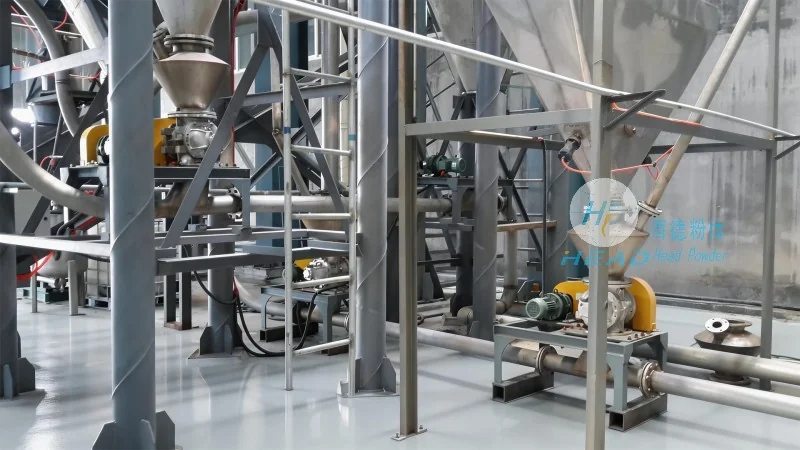
Choosing the Right Pneumatic Conveying System Type
There are primarily two types of pneumatic conveying systems: dilute-phase and dense-phase. Dilute-phase systems use low air velocities to move material, making them suitable for short distances and moderate capacities. Dense-phase systems, on the other hand, use higher air pressures and lower velocities to transport material in a more concentrated form, which is ideal for longer distances and sensitive materials. For haylage, a dense-phase system is often preferred due to its ability to handle variations in material characteristics and minimize material degradation. Shandong HeadPowder Engineering Co., Ltd. specializes in designing custom solutions that match these specific needs, ensuring that the chosen system type aligns with the operational demands of the facility.
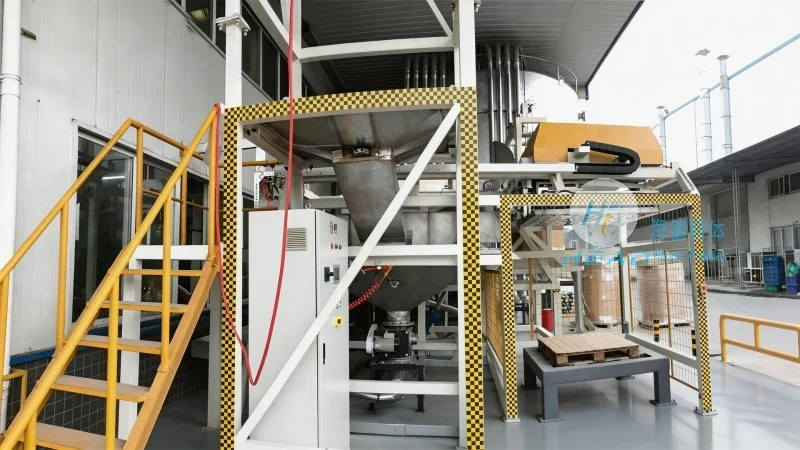
Key Components and Their Role in System Performance
A pneumatic conveying system consists of several critical components, each playing a vital role in its overall performance. The main components include the material feed hopper, the air supply system (such as a blower or compressor), the conveying line, and the discharge equipment. The feed hopper is responsible for storing and feeding the haylage into the system, while the air supply provides the necessary pressure and flow to move the material. The conveying line, typically made of metal or plastic, transports the material from the source to the destination. The discharge equipment, such as a rotary valve or a receiver, controls the release of the material at the end of the line. Each component must be carefully selected and sized to ensure the system operates efficiently and reliably. For example, the blower's capacity must be matched to the material's flow rate and the system's pressure requirements to prevent underperformance or excessive energy consumption.
Design Considerations for System Efficiency and Reliability
Designing a rational haylage pneumatic conveying system involves balancing efficiency, reliability, and cost-effectiveness. One of the key considerations is the system's air-to-material ratio, which affects both energy consumption and material transport speed. A higher air-to-material ratio may increase energy costs but can improve material flow and reduce clogging risks. Conversely, a lower ratio may reduce energy use but could lead to operational issues. Another important factor is the system's pressure drop, which indicates the resistance to material flow within the conveying line. Properly sizing the components, such as the blower and the conveying line diameter, helps minimize pressure drop and maintain consistent material transport. Additionally, incorporating features like air filters and moisture separators can enhance system longevity and reduce maintenance needs. Shandong HeadPowder Engineering Co., Ltd. employs advanced engineering techniques to optimize these parameters, ensuring that the final system meets the client's performance expectations while minimizing operational costs.
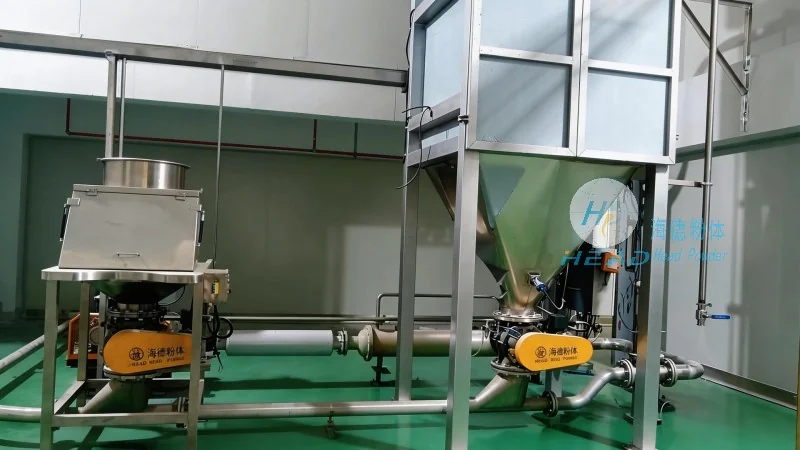
Integration and Maintenance Planning for Long-Term Operation
Once the system is designed and installed, proper integration with existing infrastructure is essential for seamless operation. This includes coordinating with other equipment, such as silos or storage facilities, to ensure smooth material flow. Furthermore, a comprehensive maintenance plan is crucial for the long-term reliability of the system. Regular inspections of components like the blower, conveying line, and discharge equipment help identify potential issues before they escalate into major problems. Shandong HeadPowder Engineering Co., Ltd. offers maintenance services and support to its clients, ensuring that the system remains in optimal condition throughout its operational life. By following these guidelines, agricultural operations can achieve efficient haylage handling with minimal downtime and maximum productivity.

 Công ty TNHH Kỹ thuật Công trình Bột Hải Đức Sơn Đông
 156-6277-7102(Quản lý Trương)
  0531-83386006
  Quận Chương Khâu, Thành phố Tế Nam, Tỉnh Sơn Đông, Trung Quốc
Điện thoại
WeChatTư vấn
Lên đầu