Công ty Hải Đức Bột với hơn 10 năm kinh nghiệm vận chuyển khí, cung cấp hệ thống‑thiết bị‑quạt gió và nhận dự án tổng thầu bột cả nước
Pneumatic conveying systems have become a critical component in modern rice processing and handling operations. These systems efficiently transport rice from storage silos, processing units, or packaging areas using air pressure, offering advantages such as reduced labor costs, minimized product damage, and enhanced safety compared to traditional mechanical conveying methods. For rice producers and processors aiming to optimize their operations, designing a suitable pneumatic conveying system is essential. This article outlines key considerations and steps for developing an effective rice pneumatic conveying system, with a focus on the expertise provided by Shandong HeadPowder Engineering Co., Ltd., a leading provider in the field.
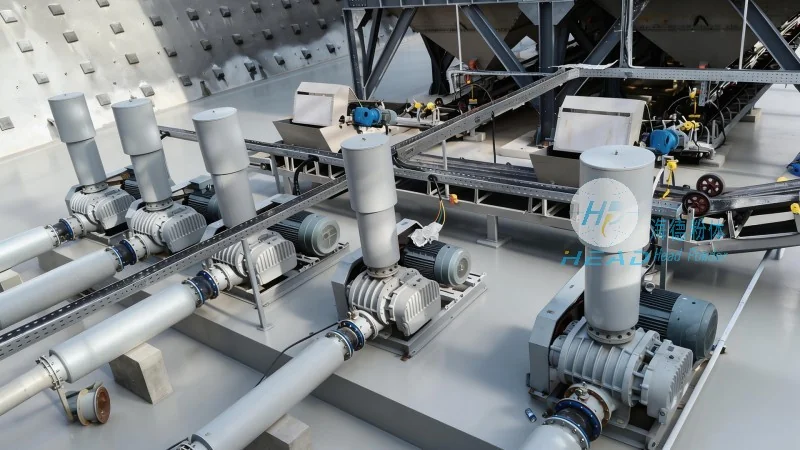
Key Factors Influencing Pneumatic Conveying System Design
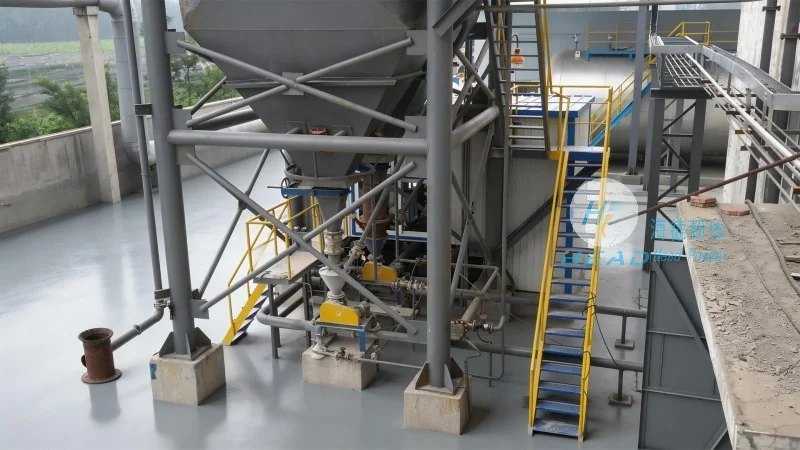
The design of a rice pneumatic conveying system must account for several critical factors to ensure optimal performance and longevity. First, the type of rice being handled—whether it is paddy, milled rice, or rice bran—affects the system's design. Different grain sizes and moisture content require adjustments in air velocity, pipeline diameter, and material handling equipment. Second, the distance and layout of the conveying route are crucial. The system's capacity and pressure requirements are directly linked to the distance between the source and destination, as well as any changes in elevation or horizontal direction. Third, the desired conveying speed and throughput must be considered. High-throughput applications may necessitate larger pipelines or more powerful air compressors, while low-throughput systems can use smaller, more energy-efficient components. Finally, the overall cost of the system, including installation, maintenance, and operational expenses, plays a significant role in the design decision. A well-planned system balances performance, efficiency, and budget to meet the specific needs of the rice processing facility.
Step-by-Step Guide to Designing a Rice Pneumatic Conveying System
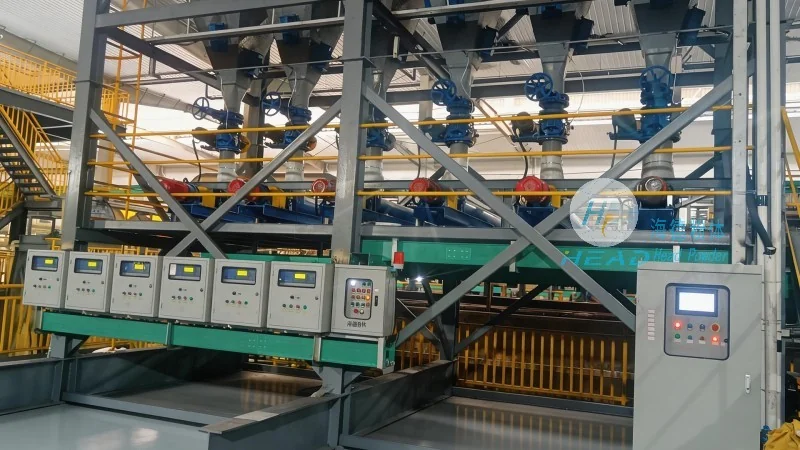
Designing a pneumatic conveying system for rice involves a systematic approach that ensures all operational requirements are met. The process typically begins with a thorough analysis of the rice handling workflow. This includes identifying the source and destination points, measuring the distance and elevation changes, and determining the required throughput. Once the basic parameters are established, the next step is to select the appropriate conveying method. Rice pneumatic conveying systems can be categorized into two main types: dilute-phase and dense-phase. Dilute-phase systems use low air-to-material ratios, suitable for short distances and moderate throughput. Dense-phase systems, on the other hand, use higher air-to-material ratios, ideal for long distances or when product quality must be preserved. The choice between these methods depends on the specific application and operational constraints. Following the method selection, the system's components are designed. This includes determining the pipeline diameter and length, selecting the type of air compressor (such as rotary lobe or centrifugal), and specifying the necessary valves, filters, and receivers. Each component must be sized to handle the expected flow rates and pressure differentials. For example, the pipeline diameter is calculated based on the required air velocity to prevent grain settling or blockages. The air compressor's capacity is determined by the system's total pressure drop and the volume of air needed to transport the rice. Proper sizing of these components ensures the system operates efficiently without excessive energy consumption or equipment strain. After the components are designed, the system layout is finalized. This involves planning the pipeline route, positioning of equipment such as silos, hoppers, and receivers, and ensuring compliance with safety regulations. The layout must also consider space constraints and existing infrastructure in the processing facility. Finally, the system is tested and optimized. Initial testing involves running the system with a small amount of rice to check for any leaks, blockages, or pressure drops. Adjustments are made as needed to fine-tune the air flow and material transport. Once the system operates as intended, it is fully commissioned and integrated into the rice processing workflow. This step-by-step approach ensures that the final pneumatic conveying system is tailored to the specific needs of the rice facility, maximizing efficiency and minimizing operational issues.
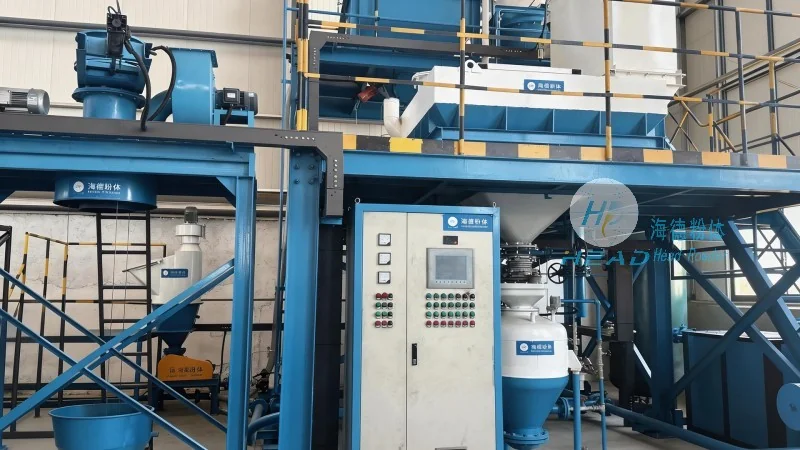
Role of Shandong HeadPowder Engineering Co., Ltd. in Pneumatic Conveying System Design
Shandong HeadPowder Engineering Co., Ltd., commonly known as HeadPowder, is a reputable company specializing in the design and implementation of pneumatic conveying systems for various industries, including rice processing. With years of experience and a team of skilled engineers, HeadPowder provides comprehensive solutions tailored to the unique requirements of rice handling operations. The company's approach to system design emphasizes a deep understanding of the client's operational needs, ensuring that the final system meets all performance, safety, and budgetary goals. HeadPowder's engineers work closely with rice processors to analyze their workflow, assess the characteristics of the rice being handled, and identify potential challenges in the conveying process. This collaborative approach allows for the development of customized solutions that address specific issues, such as preventing grain breakage, maintaining product quality, or optimizing energy usage. For example, HeadPowder may recommend specific pipeline materials or coatings to reduce friction and prevent product contamination, or suggest advanced air filtration systems to maintain grain purity. The company also considers the long-term maintenance and operational costs of the system, providing recommendations on equipment that balances initial investment with long-term efficiency. HeadPowder's expertise extends beyond system design to include installation and commissioning services. The company's technicians are trained to handle the complexities of pneumatic conveying systems, ensuring that the equipment is installed correctly and operates at peak performance. This comprehensive service ensures that rice processors can rely on their conveying system for years to come, with minimal downtime and maintenance requirements. By partnering with HeadPowder, rice facilities can benefit from a reliable and efficient pneumatic conveying system that enhances their overall productivity and profitability.

 Công ty TNHH Kỹ thuật Công trình Bột Hải Đức Sơn Đông
 156-6277-7102(Quản lý Trương)
  0531-83386006
  Quận Chương Khâu, Thành phố Tế Nam, Tỉnh Sơn Đông, Trung Quốc
Điện thoại
WeChatTư vấn
Lên đầu