Công ty Hải Đức Bột với hơn 10 năm kinh nghiệm vận chuyển khí, cung cấp hệ thống‑thiết bị‑quạt gió và nhận dự án tổng thầu bột cả nước
When it comes to the efficient and reliable transportation of urea, a well-designed pneumatic conveying system is crucial. The process of selecting and implementing the right system involves careful consideration of various technical and operational factors. This article aims to provide a comprehensive guide on how to design a reasonable urea pneumatic conveying system plan, highlighting key considerations and best practices to ensure optimal performance and longevity of the system.
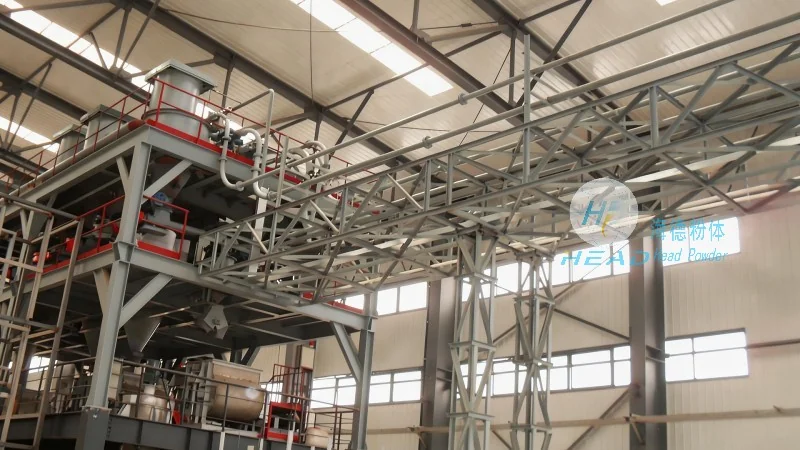
Understanding the Core Components of a Urea Pneumatic Conveying System
A urea pneumatic conveying system typically consists of several key components, each playing a vital role in the overall operation. These include the material handling equipment, such as the hopper and feeder, the conveying line (pipes), the air supply system (fans or blowers), and the control valves. The design of each component must be tailored to the specific characteristics of urea, including its particle size, density, and flowability. For instance, the feeder must be capable of providing a consistent and uniform flow of urea to the conveying line, while the air supply system must generate sufficient pressure to move the material through the pipes.
Choosing the Right Pneumatic Conveying System Type
The first step in designing a urea pneumatic conveying system is to select the appropriate system type. There are primarily three types: positive pressure, negative pressure, and mixed pressure systems. Positive pressure systems use a blower to push air and material through the pipeline, making them suitable for long-distance or high-rise applications. Negative pressure systems, on the other hand, use a vacuum to draw material into the system, which is ideal for applications where dust control is a priority. Mixed pressure systems combine elements of both positive and negative pressure, offering flexibility in system design. The choice of system type depends on factors such as the distance between the source and destination, the height difference, the required flow rate, and the environmental considerations. For urea applications, positive pressure systems are often preferred due to their ability to handle higher pressures and longer distances, although negative pressure systems may be used in situations where dust containment is critical.
Designing the Conveying Pipeline System
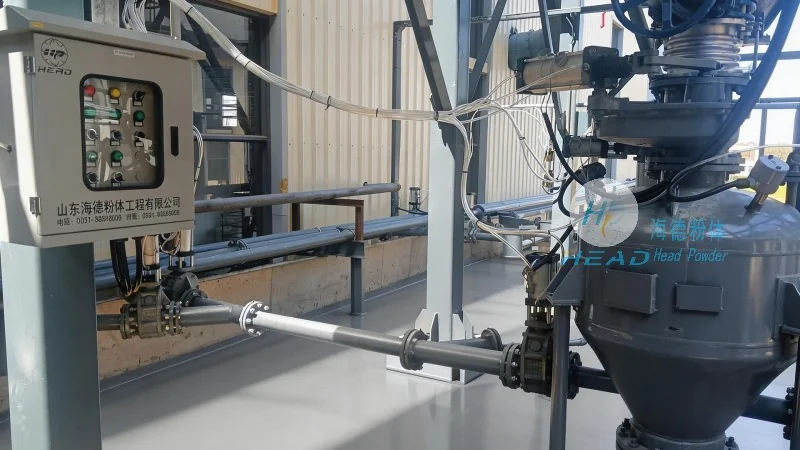
The pipeline system is a critical part of the urea pneumatic conveying system, as it directly affects the system's efficiency and reliability. The design of the pipeline involves selecting the appropriate pipe material, diameter, and layout. Common materials for urea conveying pipelines include stainless steel, carbon steel, and plastic, with stainless steel being the most common due to its corrosion resistance and durability. The pipe diameter is determined based on the required flow rate and the velocity of the material-air mixture. The velocity must be high enough to prevent material settling but low enough to avoid excessive pressure loss and wear on the pipes. The layout of the pipeline should be designed to minimize bends and changes in direction, as these can cause pressure drops and material accumulation. Additionally, the pipeline should be equipped with appropriate valves, such as check valves and flow control valves, to regulate the flow and pressure within the system.
Pressure Control and Equipment Selection
Pressure control is essential in a urea pneumatic conveying system to ensure stable and efficient operation. The air supply system, which includes the fan or blower, must be selected based on the system's requirements, such as the required pressure and flow rate. The fan or blower should be capable of providing the necessary pressure to overcome the resistance of the pipeline and the material's weight. The selection of the fan or blower also depends on the system's operating conditions, such as the ambient temperature and the presence of dust. In addition to the air supply system, other equipment such as the feeder, the hopper, and the control valves must be selected carefully. The feeder must be able to handle the urea's flow characteristics, while the hopper must be designed to prevent material bridging and segregation. The control valves must be able to regulate the flow and pressure accurately, ensuring the system operates within the desired parameters.
Ensuring System Safety and Maintenance
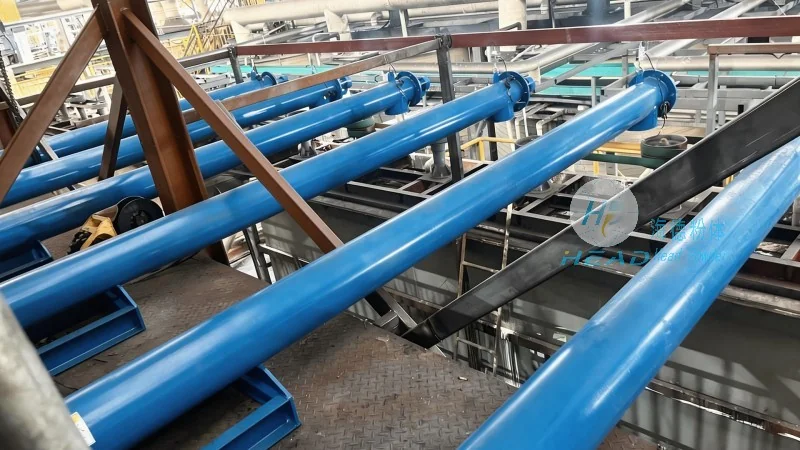
Urea pneumatic conveying systems must be designed with safety in mind to prevent accidents and ensure the well-being of operators. Safety features such as dust collection systems, explosion-proof fans, and emergency shut-off valves are essential components of the system. Regular maintenance is also crucial to ensure the system operates efficiently and reliably. This includes checking the condition of the pipes and fittings, inspecting the fan and blower for wear and tear, and cleaning the system to prevent material buildup. Proper maintenance can extend the life of the system and reduce the risk of breakdowns.
About Shandong HeadPowder Engineering Co., Ltd.
Shandong HeadPowder Engineering Co., Ltd., commonly known as HeadPowder, is a professional engineering company specializing in the design and manufacturing of pneumatic conveying systems for various industrial applications. With years of experience in the industry, HeadPowder has developed a deep understanding of the technical and operational aspects of urea and other bulk material handling. The company provides comprehensive services, including system design, equipment selection, installation, and maintenance, to ensure that clients receive a customized and efficient solution tailored to their specific needs. HeadPowder's team of experienced engineers and technicians work closely with clients to understand their requirements and provide solutions that meet their operational and safety standards. The company is committed to providing high-quality products and services, ensuring the long-term performance and reliability of the systems it designs and manufactures.

 Công ty TNHH Kỹ thuật Công trình Bột Hải Đức Sơn Đông
 156-6277-7102(Quản lý Trương)
  0531-83386006
  Quận Chương Khâu, Thành phố Tế Nam, Tỉnh Sơn Đông, Trung Quốc
Điện thoại
WeChatTư vấn
Lên đầu