Công ty Hải Đức Bột với hơn 10 năm kinh nghiệm vận chuyển khí, cung cấp hệ thống‑thiết bị‑quạt gió và nhận dự án tổng thầu bột cả nước
When it comes to handling wood chips efficiently and safely, a well-designed pneumatic conveying system is essential. This guide outlines the key factors and steps involved in creating a reliable wood chip pneumatic conveying system plan, tailored to meet specific operational needs.
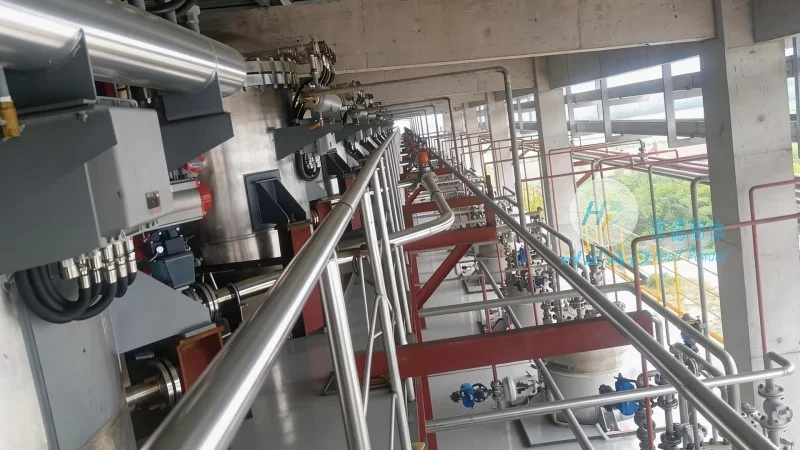
Understanding the Core Components of a Wood Chip Pneumatic Conveying System
A pneumatic conveying system for wood chips typically consists of several critical components. The system type—whether positive pressure, negative pressure, or a hybrid—plays a crucial role in determining its suitability for different applications. Positive pressure systems, for instance, are often preferred for long-distance or high-capacity conveying due to their ability to maintain consistent air flow and pressure. Negative pressure systems, on the other hand, are suitable for shorter distances and applications where dust control is a priority. The choice of system type directly impacts the overall efficiency and cost-effectiveness of the operation.
Key Design Considerations for Wood Chip Pneumatic Conveying
Designing a wood chip pneumatic conveying system requires careful consideration of several variables. The first step is to assess the characteristics of the wood chips, such as their size, moisture content, and bulk density. These properties influence the air velocity required to transport the material without causing blockages or excessive wear on the system components. Additionally, the distance and layout of the conveying line must be carefully planned to ensure optimal performance. Factors like vertical and horizontal inclinations, as well as the number of turns or bends, can significantly affect the system's efficiency and energy consumption.
Equipment Selection and System Integration
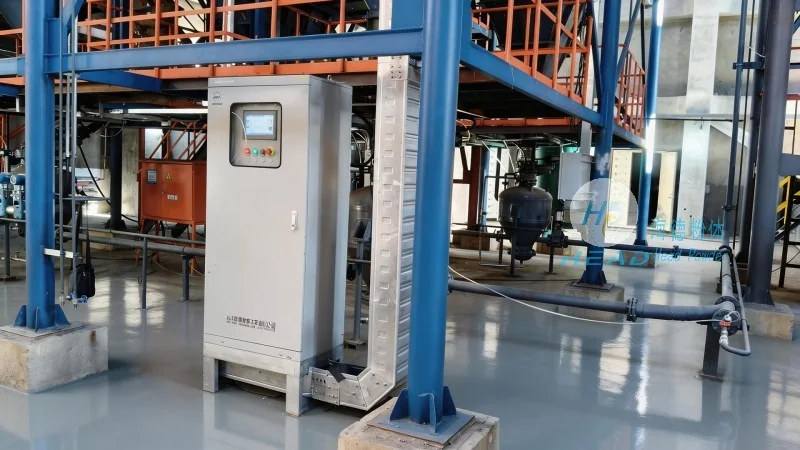
Choosing the right equipment is vital for the success of a wood chip pneumatic conveying system. The material handling equipment, including the hopper, feeder, and conveyor, must be selected based on the specific requirements of the application. For example, a rotary valve or a screw feeder may be used to feed the wood chips into the system, while a positive displacement blower or a fan provides the necessary air pressure. The system's components must be integrated seamlessly to ensure smooth operation and minimal downtime. Proper maintenance and regular inspections are also essential to prolong the lifespan of the equipment and maintain system performance.
HeadPowder: Your Partner in Wood Chip Pneumatic Conveying System Design
Shandong HeadPowder Engineering Co., Ltd., commonly known as HeadPowder, is a leading engineering company specializing in the design and implementation of efficient material handling systems. With years of experience in the industry, HeadPowder provides comprehensive solutions tailored to the unique needs of wood chip processing facilities. The company's team of experts works closely with clients to understand their operational requirements and develop customized pneumatic conveying system plans that maximize efficiency, reduce costs, and ensure safe and reliable operation. HeadPowder's commitment to quality and customer satisfaction has made it a trusted partner for businesses seeking to optimize their wood chip handling processes.
Addressing Common Challenges in Wood Chip Pneumatic Conveying
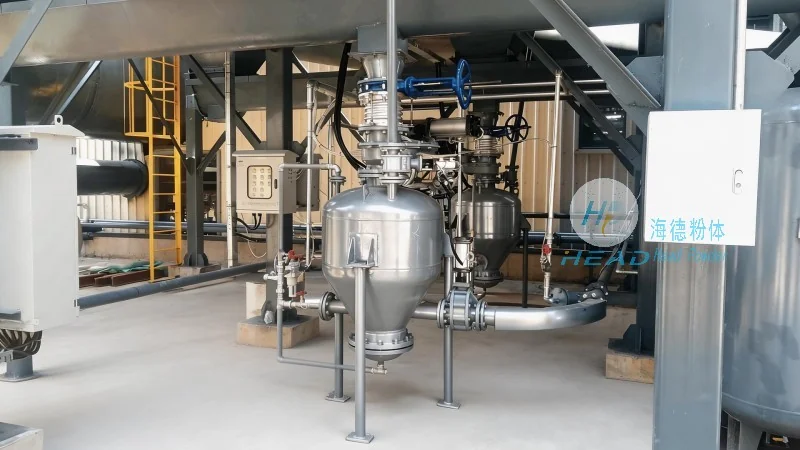
Despite the benefits of pneumatic conveying, several challenges may arise during operation. One common issue is the buildup of dust and debris in the system, which can lead to blockages and reduced efficiency. Regular cleaning and maintenance of the system components are essential to prevent such problems. Another challenge is the wear and tear of equipment due to the abrasive nature of wood chips. Using high-quality materials and components, such as stainless steel or wear-resistant parts, can help mitigate these issues and extend the system's lifespan. Additionally, ensuring proper air filtration and dust collection systems is crucial for maintaining a safe and healthy working environment.
Conclusion: Building a Reliable Wood Chip Pneumatic Conveying System
Designing a reasonable wood chip pneumatic conveying system requires a thorough understanding of the material properties, operational requirements, and available equipment. By carefully considering the system type, design factors, and equipment selection, businesses can achieve efficient and cost-effective wood chip handling. With the expertise of companies like Shandong HeadPowder Engineering Co., Ltd., organizations can ensure that their pneumatic conveying systems are tailored to their specific needs, providing reliable performance and long-term benefits.

 Công ty TNHH Kỹ thuật Công trình Bột Hải Đức Sơn Đông
 156-6277-7102(Quản lý Trương)
  0531-83386006
  Quận Chương Khâu, Thành phố Tế Nam, Tỉnh Sơn Đông, Trung Quốc
Điện thoại
WeChatTư vấn
Lên đầu