Công ty Hải Đức Bột với hơn 10 năm kinh nghiệm vận chuyển khí, cung cấp hệ thống‑thiết bị‑quạt gió và nhận dự án tổng thầu bột cả nước
When it comes to managing waste efficiently, the design of a garbage pneumatic conveying system plays a crucial role in ensuring smooth operations and optimal performance. A well-designed system not only enhances the efficiency of waste handling but also contributes to environmental sustainability and operational cost reduction. In this article, we will explore the key considerations and steps involved in designing a reasonable garbage pneumatic conveying system, with a focus on the expertise and solutions provided by Shandong HeadPowder Engineering Co., Ltd., a leading company in the field.
Understanding the Importance of a Well-Designed Garbage Pneumatic Conveying System
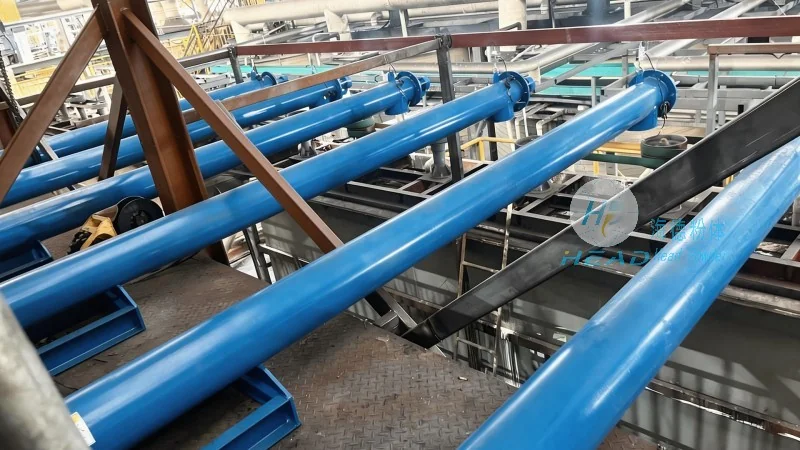
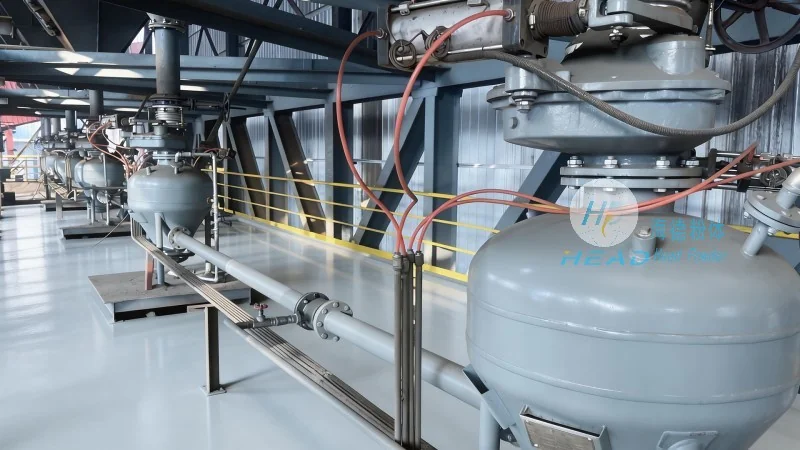
Before delving into the design process, it is essential to understand why a well-designed garbage pneumatic conveying system is vital for waste management facilities. Traditional waste handling methods often involve manual labor, which can be labor-intensive, time-consuming, and prone to inefficiencies. In contrast, a pneumatic conveying system uses air to transport solid waste materials, offering several advantages such as reduced labor costs, improved safety, and enhanced environmental protection. By utilizing compressed air to move waste from collection points to processing or disposal sites, these systems minimize the need for manual handling, thereby reducing the risk of injuries and exposure to hazardous materials. Additionally, pneumatic conveying systems can be integrated with other waste management technologies, such as sorting and recycling equipment, to create a comprehensive and efficient waste management solution. The effectiveness of a garbage pneumatic conveying system largely depends on its design, which must consider factors like the type of waste, the distance to be covered, the required capacity, and the overall operational environment.
Key Factors to Consider in Designing a Garbage Pneumatic Conveying System
Designing a garbage pneumatic conveying system requires careful consideration of multiple factors to ensure that the system meets the specific needs of the waste management facility. The first step is to assess the characteristics of the waste material, including its particle size, moisture content, and density. These properties will determine the type of conveying equipment, such as a positive displacement blower or a rotary lobe pump, that is best suited for the application. For example, if the waste consists of dry, non-abrasive materials like paper or plastic, a positive displacement blower may be more appropriate, as it provides consistent air pressure and flow. Conversely, if the waste includes wet or abrasive materials like food waste or construction debris, a rotary lobe pump might be more suitable due to its ability to handle higher volumes and more challenging materials. The second factor to consider is the distance and layout of the conveying system. The length and elevation changes between the waste collection points and the processing or disposal site will impact the required air pressure and the size of the conveying pipes. Properly sizing the pipes and selecting the appropriate air velocity is crucial to prevent blockages and ensure efficient material transport. The third factor is the system capacity, which refers to the amount of waste that needs to be conveyed per hour or per day. This determines the size of the blower or pump and the diameter of the conveying pipes. A system that is too small will result in bottlenecks and reduced efficiency, while a system that is too large will lead to unnecessary energy consumption and increased costs. Finally, the operational environment and safety requirements must be taken into account. The system should be designed to comply with local regulations and standards, and safety features such as explosion-proof components and emergency shut-off valves should be incorporated to protect personnel and equipment.
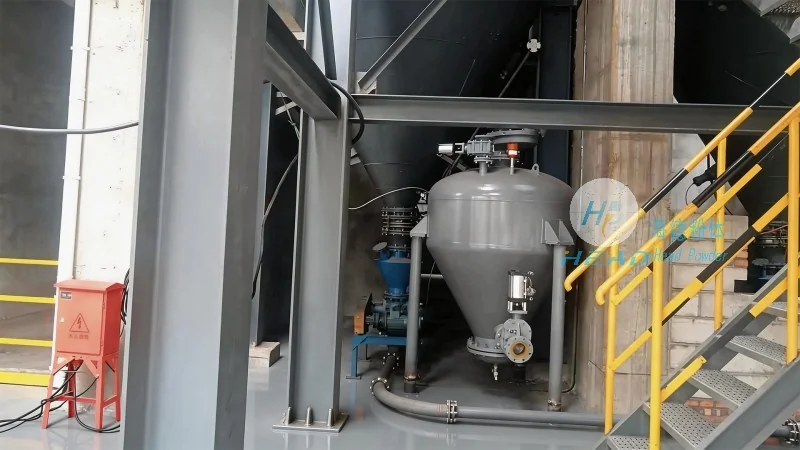
Design Process and Steps for a Garbage Pneumatic Conveying System
The design process for a garbage pneumatic conveying system typically involves several steps, each of which is critical to the success of the project. The first step is to gather all relevant information about the waste management facility, including the type and volume of waste, the layout of the site, and the specific requirements of the end-user. This information is then used to create a detailed system layout, which includes the location of the waste collection points, the path of the conveying pipes, and the position of the processing or disposal equipment. The next step is to select the appropriate conveying equipment, as discussed earlier, based on the characteristics of the waste and the system requirements. The blower or pump is selected to provide the necessary air pressure and flow to move the waste through the system. The size and type of the conveying pipes are then determined to ensure that the air velocity is sufficient to prevent blockages and maintain efficient material transport. The system layout is then optimized to minimize the length of the pipes and the number of bends, as these can increase pressure losses and reduce the system's efficiency. The final step is to perform a thorough analysis of the system's performance, including calculations of air pressure, flow rate, and energy consumption. This analysis helps to identify any potential issues or bottlenecks and allows for adjustments to be made before the system is installed and commissioned. Throughout the design process, it is important to involve all stakeholders, including the facility operators, maintenance personnel, and regulatory agencies, to ensure that the system meets their needs and complies with all relevant regulations.

 Công ty TNHH Kỹ thuật Công trình Bột Hải Đức Sơn Đông
 156-6277-7102(Quản lý Trương)
  0531-83386006
  Quận Chương Khâu, Thành phố Tế Nam, Tỉnh Sơn Đông, Trung Quốc
Điện thoại
WeChatTư vấn
Lên đầu