Công ty Hải Đức Bột với hơn 10 năm kinh nghiệm vận chuyển khí, cung cấp hệ thống‑thiết bị‑quạt gió và nhận dự án tổng thầu bột cả nước
When it comes to handling and transporting pepper, especially in industrial settings, the choice of conveying system can significantly impact efficiency, product quality, and operational costs. Pepper, with its unique physical properties such as size, moisture content, and potential for static charge, requires specialized equipment to ensure smooth and reliable transport. A well-designed pneumatic conveying system not only optimizes the flow of pepper but also maintains its quality, preventing damage or degradation during the process. This article explores the key considerations and steps involved in designing a reasonable pepper pneumatic conveying system plan, with a focus on practical solutions tailored to the needs of pepper processing industries.
About HeadPowder Engineering
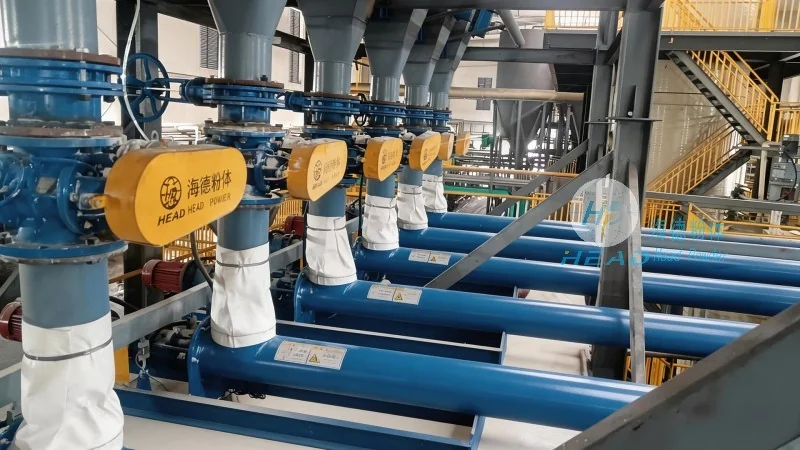
HeadPowder, or Shandong HeadPowder Engineering Co., Ltd., is a leading engineering company based in Shandong, China. With years of experience in the field of material handling and conveying systems, HeadPowder specializes in providing customized solutions for various bulk materials, including spices like pepper. The company’s expertise lies in understanding the unique characteristics of different materials and designing systems that ensure efficient, safe, and cost-effective transportation. By leveraging advanced engineering principles and practical industry knowledge, HeadPowder delivers systems that meet the specific requirements of each client, whether it’s for small-scale or large-scale pepper processing operations.
Key Design Considerations for Pepper Pneumatic Conveying
Designing an effective pepper pneumatic conveying system involves several critical factors that must be carefully evaluated. The first step is to assess the physical properties of the pepper being handled. This includes analyzing the particle size distribution, moisture content, bulk density, and flowability. Pepper particles can vary widely in size, from fine powders to larger granules, which affects the choice of conveying method—such as dilute-phase or dense-phase systems. Moisture content is another important factor, as high moisture levels can lead to caking or blockages in the system. Understanding these properties helps in selecting the appropriate equipment, such as cyclones, filters, and material feeders, to ensure smooth operation.
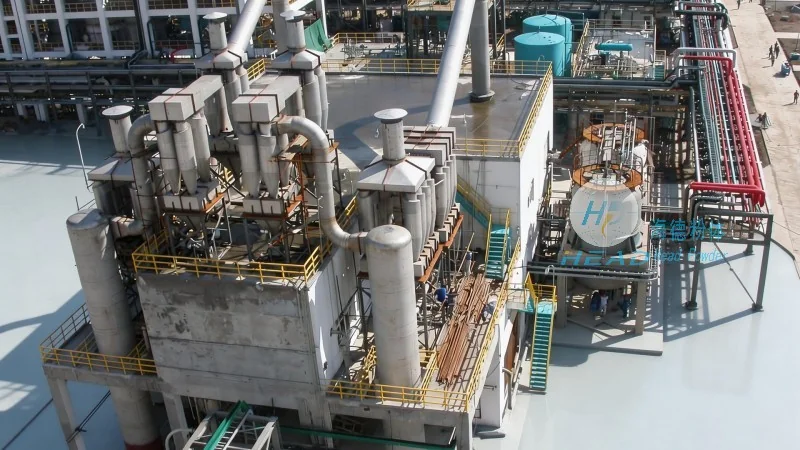
Another crucial consideration is the system layout and the distance the pepper needs to be conveyed. The layout should minimize the number of bends and changes in direction to reduce pressure losses and prevent material degradation. The distance between the inlet and outlet points also impacts the system design, as longer distances may require higher air velocities or additional boosters to maintain flow. Additionally, the system must be designed to handle potential issues like static electricity, which can cause sparks or material buildup in the pipes. Proper grounding and anti-static measures are essential to ensure safety and system reliability.
Core Components of a Pepper Pneumatic Conveying System
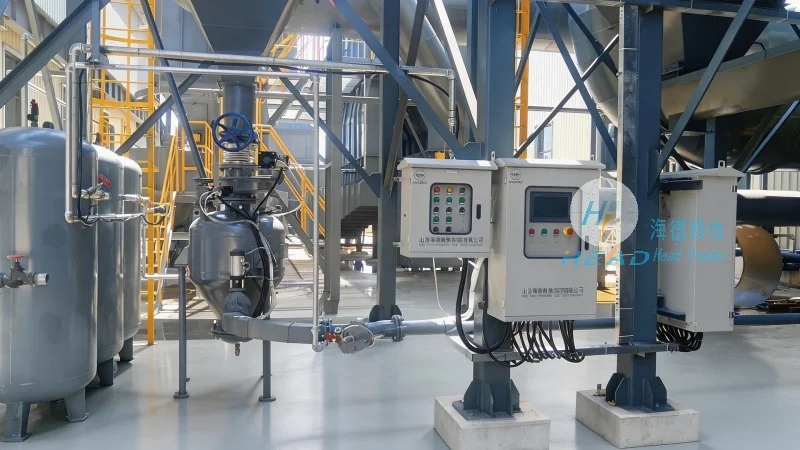
A typical pepper pneumatic conveying system consists of several key components that work together to transport the material. The primary components include a material feeder, which controls the flow of pepper into the system, a conveying line (usually made of stainless steel to prevent corrosion and contamination), a blower or air compressor that provides the necessary air pressure, and a separator or cyclone that separates the pepper from the air at the end of the line. The material feeder is critical for maintaining a consistent flow rate, as fluctuations can lead to uneven conveying or system overload. There are different types of feeders, such as rotary valves or screw feeders, which can be selected based on the pepper’s characteristics and the system’s requirements. The conveying line is often equipped with check valves to prevent backflow and maintain the direction of material flow. The blower or air compressor must be sized appropriately to provide sufficient air volume and pressure to move the pepper through the system without excessive energy consumption.
The separator or cyclone is responsible for separating the pepper from the air, which is then filtered and recycled back into the system. This component is essential for maintaining the quality of the pepper and preventing dust contamination. The design of the separator, including its size and number of stages, depends on the particle size and density of the pepper. For pepper, a multi-stage cyclone or a combination of cyclones and filters may be used to achieve high separation efficiency. Additionally, the system may include a dust collector to capture any fine particles that escape the separator, ensuring compliance with environmental regulations and maintaining a clean working environment.

 Công ty TNHH Kỹ thuật Công trình Bột Hải Đức Sơn Đông
 156-6277-7102(Quản lý Trương)
  0531-83386006
  Quận Chương Khâu, Thành phố Tế Nam, Tỉnh Sơn Đông, Trung Quốc
Điện thoại
WeChatTư vấn
Lên đầu