Công ty Hải Đức Bột với hơn 10 năm kinh nghiệm vận chuyển khí, cung cấp hệ thống‑thiết bị‑quạt gió và nhận dự án tổng thầu bột cả nước
For the efficient and safe production of lithium-ion batteries, the handling of nanomaterials is a critical step. These materials, often used as cathode or anode components, require specialized transport methods to ensure minimal loss, contamination, and adherence to safety regulations. Among the various techniques available, pneumatic conveying stands out as a preferred solution for many manufacturers. This article explores common lithium-ion battery nanomaterial handling methods, with a focus on the advantages and applications of pneumatic conveying systems.
Introduction to Lithium-Ion Battery Nanomaterial Handling: The Role of Pneumatic Conveying Systems
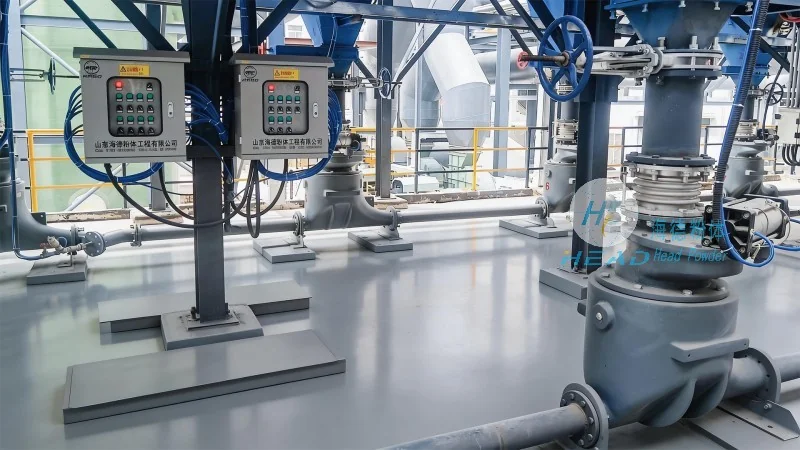
Lithium-ion battery nanomaterials, such as lithium cobalt oxide, lithium iron phosphate, or graphite powders, are essential components in modern battery technology. Their small particle size and high surface area make them prone to dust generation and require careful management during transport. Traditional methods like bucket elevators or belt conveyors may not be suitable due to the risk of material degradation or contamination. Pneumatic conveying systems offer a closed-loop solution that addresses these challenges by transporting materials through a network of pipes using air pressure or vacuum. This approach minimizes exposure to the environment, reduces the risk of fire or explosion, and ensures consistent material flow.
Pneumatic Conveying as a Key Solution for Lithium-Ion Battery Nanomaterial Transport
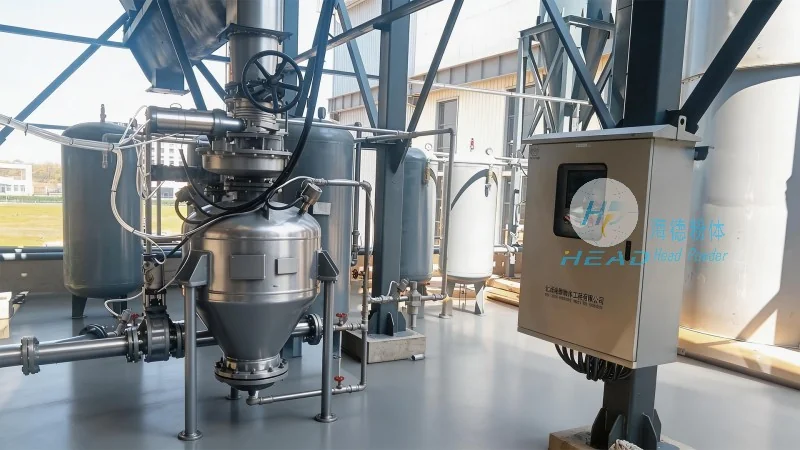
Pneumatic conveying systems are designed to handle fine powders and nanomaterials with precision. The technology involves the use of air to move material through a pipeline, either by pressure (positive pressure) or suction (negative pressure). Positive pressure systems are commonly used for bulk material transport over long distances, while negative pressure systems are ideal for handling dust or fine powders in a controlled environment. For lithium-ion battery nanomaterials, positive pressure systems are often preferred due to their ability to maintain a positive pressure within the system, preventing external air from entering and reducing the risk of contamination. The system typically includes a hopper for material storage, a feeder to control the flow rate, a conveyor line, and a receiver where the material is deposited. This closed-loop design ensures that the entire process is contained, enhancing safety and efficiency.
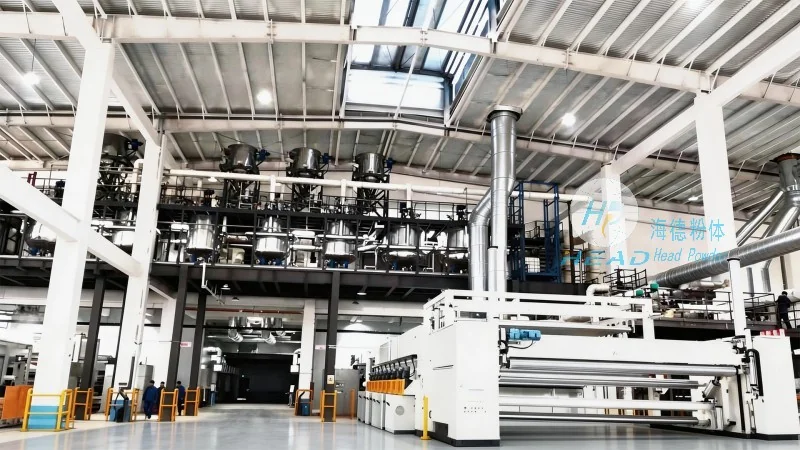
Key Features of Pneumatic Conveying Systems for Nanomaterials
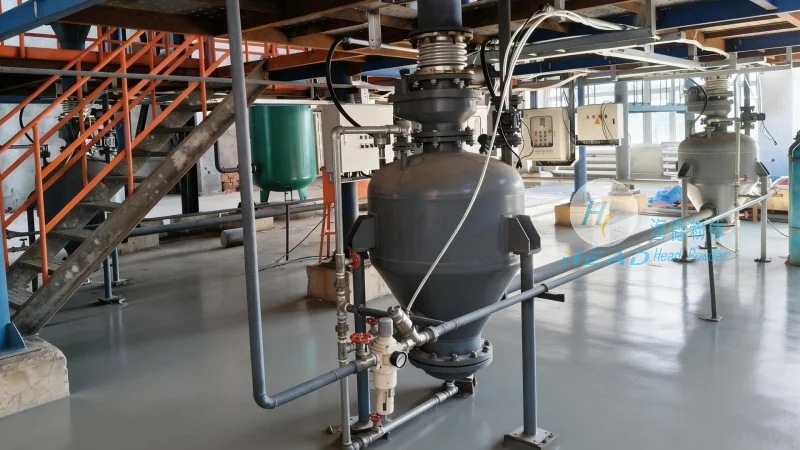
Several key features make pneumatic conveying an optimal choice for lithium-ion battery nanomaterials. First, the system provides high-precision control over material flow, allowing manufacturers to adjust the speed and volume of transport as needed. This is crucial for maintaining consistent battery performance and preventing overloading of downstream processes. Second, the enclosed nature of the system minimizes dust dispersion, which is critical for compliance with occupational health and safety regulations. Third, pneumatic conveying reduces material degradation by avoiding direct contact with mechanical components, which can cause attrition or particle size reduction. Additionally, the technology is scalable, allowing manufacturers to adapt the system size based on production capacity, from small-scale laboratory applications to large industrial plants.
Shandong HeadPowder Engineering Co., Ltd.: Expertise in Pneumatic Conveying Solutions
Shandong HeadPowder Engineering Co., Ltd., commonly known as HeadPowder, is a leading provider of pneumatic conveying solutions tailored for the lithium-ion battery industry. With headquarters in Shandong, China, the company specializes in designing, manufacturing, and installing customized conveying systems that meet the unique requirements of nanomaterial handling. HeadPowder's expertise lies in integrating advanced technology with rigorous safety standards, ensuring that their systems comply with international regulations such as IEC and local fire codes. The company's solutions are engineered to handle a wide range of nanomaterials, including high-purity powders used in cathode production, with minimal loss and maximum efficiency. By leveraging years of experience in material handling, HeadPowder offers comprehensive support, from initial system design and installation to ongoing maintenance and technical assistance. Their commitment to quality and customer satisfaction has made them a trusted partner for many battery manufacturers worldwide.

 Công ty TNHH Kỹ thuật Công trình Bột Hải Đức Sơn Đông
 156-6277-7102(Quản lý Trương)
  0531-83386006
  Quận Chương Khâu, Thành phố Tế Nam, Tỉnh Sơn Đông, Trung Quốc
Điện thoại
WeChatTư vấn
Lên đầu