Công ty Hải Đức Bột với hơn 10 năm kinh nghiệm vận chuyển khí, cung cấp hệ thống‑thiết bị‑quạt gió và nhận dự án tổng thầu bột cả nước
When it comes to handling fine powders in industrial applications, selecting the right pneumatic conveying system is crucial for efficiency, reliability, and cost-effectiveness. A well-designed system not only ensures smooth material transport but also minimizes operational risks and maintenance costs. This article provides a comprehensive guide on how to design a reasonable fine powder pneumatic conveying system plan, focusing on key considerations and practical steps to achieve optimal performance.
Understanding the Core Principles of Fine Powder Pneumatic Conveying
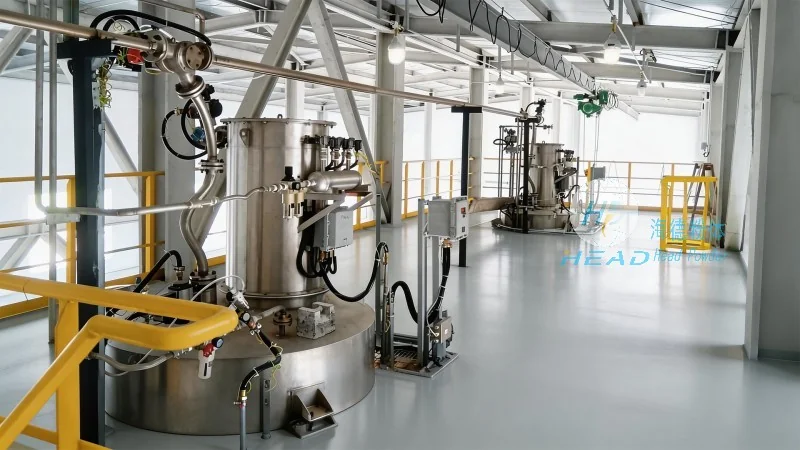
Fine powder pneumatic conveying systems rely on the principle of transporting dry bulk materials using compressed air or other gases. The system typically consists of a material feed point, a conveying line, and a discharge point. The design must account for the specific properties of the fine powder, such as particle size, density, moisture content, and flowability, as these factors directly impact the system's performance. For instance, materials with high moisture content may require additional drying steps to prevent clogging or degradation during transport.
Key Design Factors for an Efficient Fine Powder Conveying System
Several critical factors must be considered when designing a fine powder pneumatic conveying system. First, the system's capacity and flow rate are determined by the production requirements and the volume of material to be transported. The selection of the conveying line diameter and length is also essential, as these parameters affect the pressure drop and energy consumption. Additionally, the choice of air velocity is vital; too low a velocity may cause material settling or blockages, while too high a velocity can lead to excessive wear on components and higher energy costs. The system's pressure requirements, whether positive or negative pressure, also play a significant role in determining the appropriate equipment and infrastructure.
Material Handling Equipment and Components
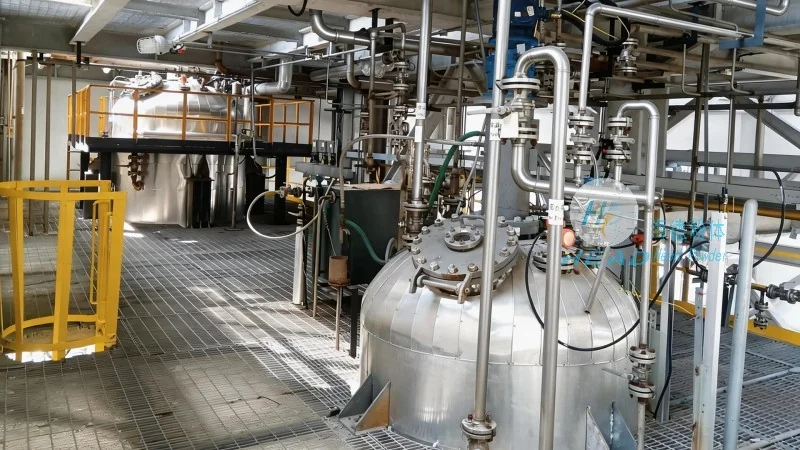
The components of a fine powder pneumatic conveying system include feeders, conveyors, filters, and control systems. The feeder is responsible for feeding the material into the system at a consistent rate, which is crucial for maintaining stable flow. There are various types of feeders, such as rotary valves, screw feeders, and vibratory feeders, each suitable for different material characteristics and flow rates. The conveyor line, often made of stainless steel or other corrosion-resistant materials, must be designed to handle the specific properties of the fine powder, preventing material buildup and ensuring smooth transport. Filters are essential for capturing fine particles and preventing them from being released into the environment, while also protecting downstream equipment from contamination. Control systems, including pressure sensors and flow meters, help monitor and regulate the system's performance, ensuring optimal operation and preventing issues like overpressure or underflow.
System Integration and Installation Considerations
Integrating the fine powder pneumatic conveying system with existing industrial processes is a critical step in the design process. The system must be compatible with the surrounding equipment, such as storage silos, processing units, and packaging systems. Proper installation, including the positioning of components and the routing of the conveying line, is essential to minimize pressure losses and ensure efficient material transport. Additionally, the system's maintenance and accessibility must be considered, as regular maintenance is necessary to keep the system running smoothly and prevent downtime. The use of appropriate sealing and jointing methods is also important to prevent air leaks and maintain the system's pressure integrity.
Case Study: A Successful Fine Powder Pneumatic Conveying System Implementation by Shandong HeadPowder Engineering Co., Ltd.
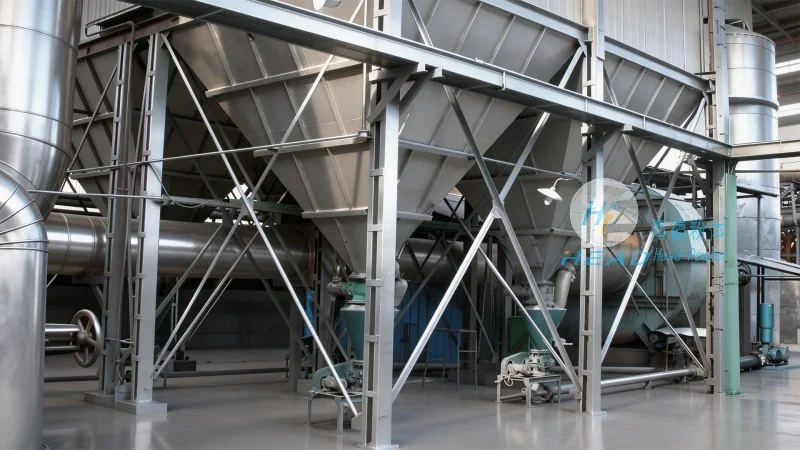
Shandong HeadPowder Engineering Co., Ltd., a leading provider of engineering solutions for material handling, has successfully implemented numerous fine powder pneumatic conveying systems for clients across various industries. One notable project involved the design and installation of a system for transporting fine cement powder in a construction materials plant. The system was designed to handle high volumes of material while maintaining low energy consumption and minimal maintenance requirements. The company's expertise in material properties and system design ensured that the system met the client's specific needs, resulting in improved operational efficiency and reduced costs. This case study highlights the importance of a thorough understanding of the material and the application in designing an effective fine powder pneumatic conveying system.
Conclusion: Designing a Reliable Fine Powder Pneumatic Conveying System
Designing a reasonable fine powder pneumatic conveying system requires a comprehensive approach that considers the material properties, system requirements, and operational constraints. By carefully evaluating the key design factors, selecting appropriate equipment, and ensuring proper integration and maintenance, industrial facilities can achieve efficient and reliable material transport. Shandong HeadPowder Engineering Co., Ltd. offers expert solutions and services to help clients design and implement effective fine powder pneumatic conveying systems, ensuring optimal performance and long-term success in their material handling operations.

 Công ty TNHH Kỹ thuật Công trình Bột Hải Đức Sơn Đông
 156-6277-7102(Quản lý Trương)
  0531-83386006
  Quận Chương Khâu, Thành phố Tế Nam, Tỉnh Sơn Đông, Trung Quốc
Điện thoại
WeChatTư vấn
Lên đầu