Công ty Hải Đức Bột với hơn 10 năm kinh nghiệm vận chuyển khí, cung cấp hệ thống‑thiết bị‑quạt gió và nhận dự án tổng thầu bột cả nước
Shandong HeadPowder Engineering Co., Ltd., a professional provider in the field of dust handling and material transportation, specializes in designing and implementing efficient gas-pneumatic conveying systems for industrial applications. The design of a reasonable dust gas-pneumatic conveying system is crucial for ensuring safe, reliable, and cost-effective material transport in various industrial processes. This article outlines key considerations and steps to develop an optimal system plan.
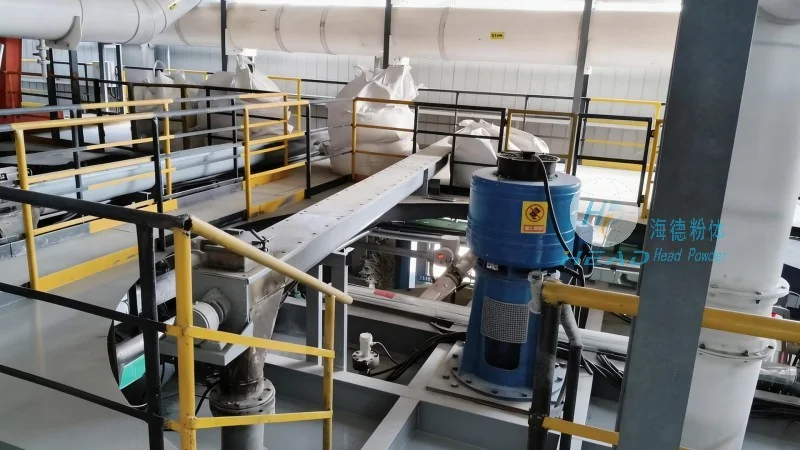
Understanding the Core Principles of Dust Gas-Pneumatic Conveying
Before diving into the design specifics, it is essential to grasp the fundamental principles of gas-pneumatic conveying. This method utilizes compressed air or other gases to transport particulate materials through a pipeline system. The effectiveness of the system depends on several factors, including the properties of the material (such as particle size, density, and moisture content), the required conveying distance and capacity, and the operational environment. A well-designed system must balance these variables to achieve efficient material transport while minimizing energy consumption and equipment wear.
Key Design Considerations for a Reliable System
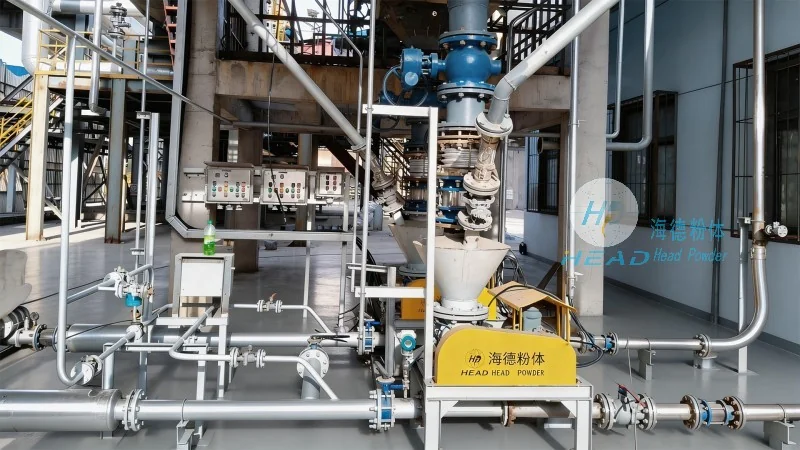
When designing a dust gas-pneumatic conveying system, several critical factors must be addressed to ensure optimal performance and longevity. First, the selection of the appropriate conveying system type is paramount. There are two main categories: dilute-phase and dense-phase systems. Dilute-phase systems are suitable for short distances and low to medium material loads, while dense-phase systems are ideal for longer distances and higher material loads, as they provide better control over material flow and reduce the risk of blockages. The choice between these systems depends on the specific application requirements and the characteristics of the material being conveyed.
Second, the selection of equipment is a critical step. The system typically includes a blower or compressor to generate the necessary air pressure, a hopper or feeder to introduce the material into the pipeline, a pipeline network to transport the material, and a receiver or discharge point to collect the material at the destination. The capacity and pressure rating of the blower must match the material's properties and the system's requirements. For example, a high-pressure blower may be necessary for materials with high moisture content or abrasive particles, as it can maintain consistent flow and prevent clogging. The hopper and feeder must be designed to handle the material's flow characteristics, ensuring a consistent feed rate and preventing material bridging or segregation.
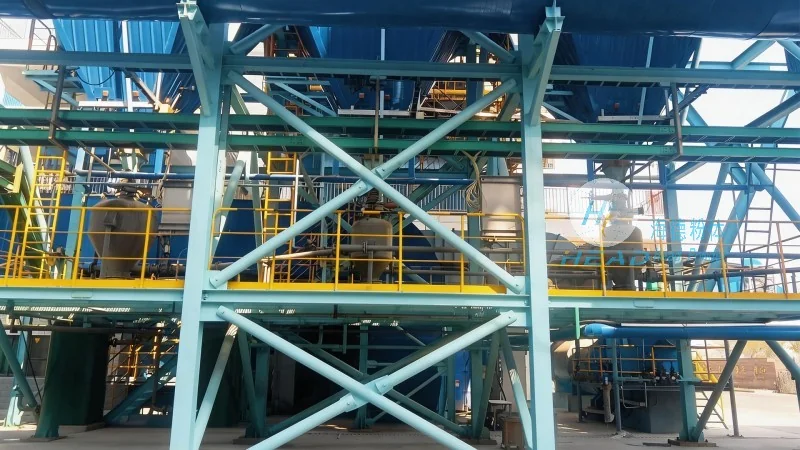
Designing the Pipeline System for Optimal Performance
The pipeline design is another crucial aspect of the system. The pipeline diameter, length, and layout significantly impact the system's efficiency and energy consumption. The diameter must be selected based on the material's particle size and the required flow rate. A larger diameter reduces pressure drop and energy consumption but increases material handling costs. Conversely, a smaller diameter may lead to higher pressure drop and increased energy costs, potentially causing system inefficiencies or equipment damage. The pipeline layout should be designed to minimize bends and changes in direction, as these can cause pressure losses and increase the risk of material accumulation or blockages. Additionally, the use of appropriate pipe materials is essential to prevent corrosion or wear from the conveyed material. For example, stainless steel or PVC pipes are commonly used for handling abrasive or corrosive materials.
Control and Monitoring Systems for Safety and Efficiency
A robust control and monitoring system is vital for ensuring the safe and efficient operation of the dust gas-pneumatic conveying system. This system typically includes sensors to monitor pressure, flow rate, and material level, as well as control valves and switches to regulate the system's operation. The control system should be designed to detect and respond to abnormalities, such as pressure drops or material blockages, to prevent equipment damage or material loss. It may also include features like automatic start-up and shut-down, as well as alarms for system malfunctions. Regular monitoring and maintenance of the control system are essential to ensure its reliability and effectiveness.
Integration with Existing Facilities and Compliance with Regulations
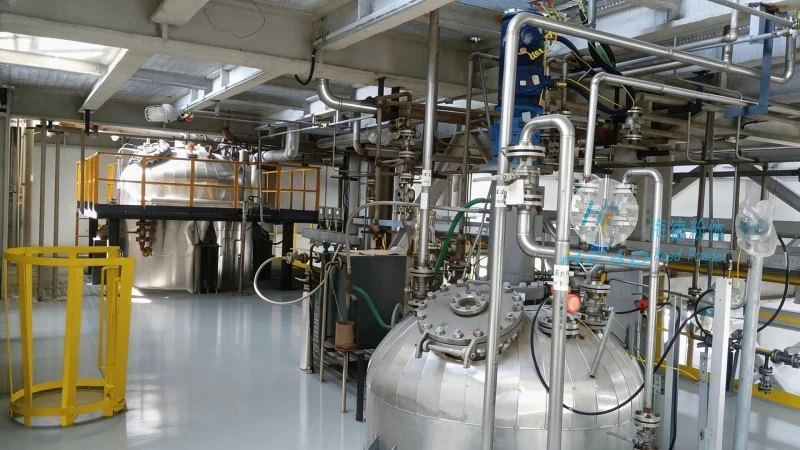
When designing a dust gas-pneumatic conveying system, it is important to consider its integration with existing industrial facilities. The system should be designed to fit seamlessly into the existing infrastructure, minimizing the need for major modifications or new construction. This approach reduces costs and project timelines while ensuring compatibility with other equipment and processes. Additionally, the design must comply with relevant safety and environmental regulations. For example, the system must be designed to prevent dust emissions and ensure proper ventilation to protect workers from exposure to harmful particles. It may also need to meet specific standards for noise reduction or energy efficiency, depending on the application and local regulations.
Conclusion: Developing a Comprehensive System Plan
Designing a reasonable dust gas-pneumatic conveying system requires a thorough understanding of the material properties, application requirements, and operational constraints. By considering the key factors discussed above—system type selection, equipment choice, pipeline design, control systems, and regulatory compliance—engineers can develop a comprehensive system plan that ensures efficient, reliable, and safe material transport. Shandong HeadPowder Engineering Co., Ltd. offers expert design and implementation services to help industrial clients achieve their material handling goals while optimizing operational efficiency and reducing costs. With a focus on tailored solutions and adherence to industry best practices, the company provides customized gas-pneumatic conveying systems that meet the unique needs of each project.

 Công ty TNHH Kỹ thuật Công trình Bột Hải Đức Sơn Đông
 156-6277-7102(Quản lý Trương)
  0531-83386006
  Quận Chương Khâu, Thành phố Tế Nam, Tỉnh Sơn Đông, Trung Quốc
Điện thoại
WeChatTư vấn
Lên đầu