Công ty Hải Đức Bột với hơn 10 năm kinh nghiệm vận chuyển khí, cung cấp hệ thống‑thiết bị‑quạt gió và nhận dự án tổng thầu bột cả nước
When it comes to handling carbon powders in industrial settings, the choice of a pneumatic conveying system can significantly impact operational efficiency, safety, and overall cost-effectiveness. A well-designed system ensures that carbon powders are transported reliably, with minimal degradation and optimal performance. This article outlines the key factors and steps involved in designing a reasonable carbon powder pneumatic conveying system, providing insights that can help engineers and facility managers make informed decisions. HeadPowder, a leading provider of engineering solutions, specializes in the design and implementation of efficient pneumatic conveying systems for carbon powders, leveraging decades of experience in material handling technology.
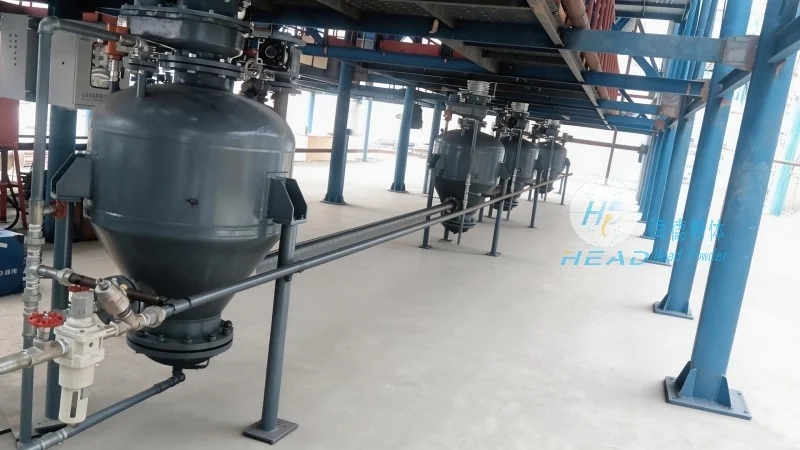
Understanding the Core Principles of Pneumatic Conveying for Carbon Powders
Pneumatic conveying systems utilize air or other gases to transport bulk materials like carbon powders through a pipeline. The fundamental principle is to create a pressure differential that moves the material from the source to the destination. For carbon powders, which often have specific flow characteristics and potential for dust generation, the design must account for these properties to prevent blockages, ensure consistent flow, and maintain system integrity.
Key Design Considerations for an Efficient Carbon Powder Conveying System
Several critical factors must be considered when designing a carbon powder pneumatic conveying system. These include the material's bulk density, particle size distribution, moisture content, and flowability. Additionally, the system's operating pressure, flow rate, and the distance between the source and destination are crucial. The choice between positive pressure and negative pressure systems also plays a vital role, as each has distinct advantages and limitations for carbon powder applications.
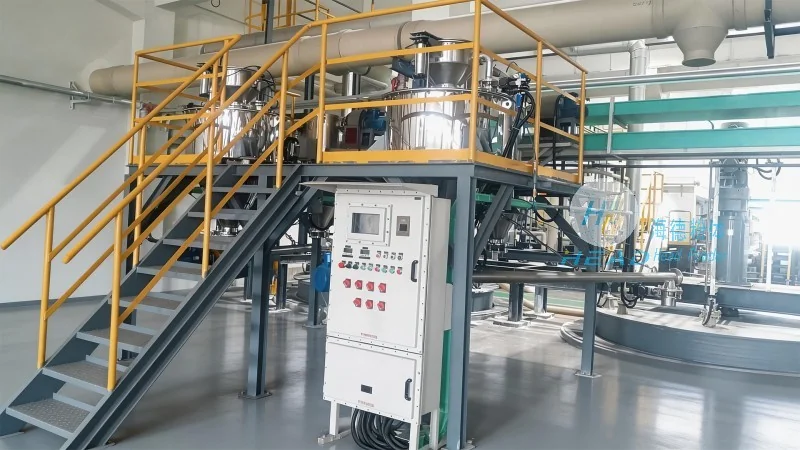
Components and Technologies in Modern Carbon Powder Pneumatic Systems
A typical carbon powder pneumatic conveying system consists of several key components. These include the material feed hopper, which holds the carbon powder and controls the flow rate; the air supply system, which provides the necessary pressure and volume of air; the conveying line, which transports the material; and the receiving hopper or discharge equipment. Modern systems may also incorporate advanced technologies such as cyclone separators for dust removal, rotary air locks to prevent backflow, and pressure regulators to maintain consistent system pressure.
Tailoring the System to Specific Application Requirements
The design of a carbon powder pneumatic conveying system must be tailored to the specific application requirements. For example, in manufacturing facilities where carbon powders are used for coating or blending, the system may need to handle high volumes with minimal product degradation. In contrast, applications involving sensitive carbon powders, such as those used in electronics or pharmaceuticals, may require more precise control over particle size and moisture content. The system's design should also consider the environmental impact, including dust control measures to comply with regulatory standards.
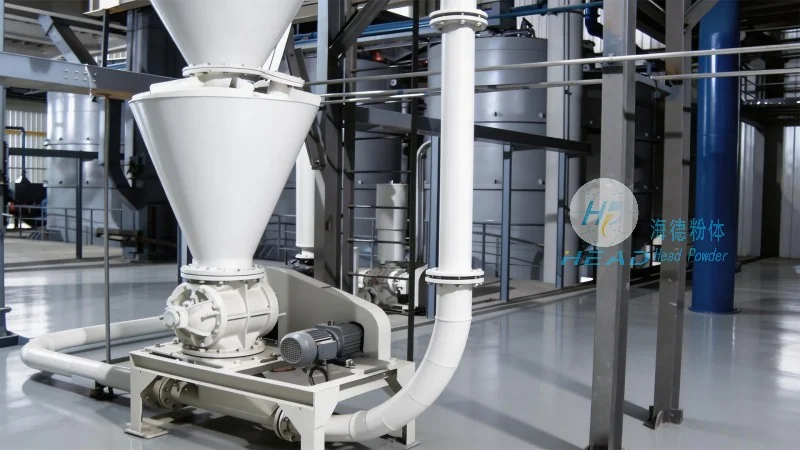
The Role of Material Properties in System Performance
The physical and chemical properties of carbon powders directly influence the performance of a pneumatic conveying system. For instance, carbon powders with high moisture content may clump together, leading to blockages in the conveying line. Similarly, powders with a wide particle size distribution can cause uneven flow and increased wear on system components. Engineers must conduct thorough material testing to understand these properties and select appropriate system components, such as larger diameter lines for coarser powders or specialized feeders for fine powders.
Practical Steps for Designing a Reliable Carbon Powder Conveying Solution
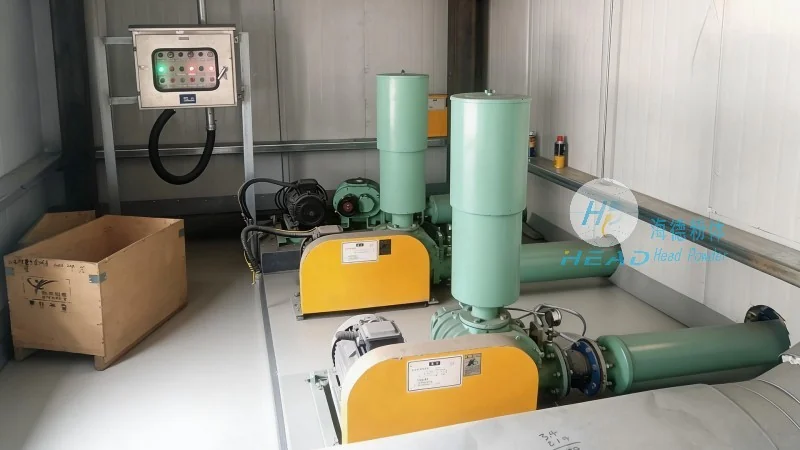
Designing a reliable carbon powder pneumatic conveying system involves a systematic approach. The first step is to gather detailed information about the carbon powder's characteristics, including its flowability, density, and particle size. Next, the system's operating parameters, such as the required flow rate and pressure, are determined based on the application's needs. The system layout is then planned, considering the distance between the source and destination, any obstacles, and the need for multiple conveying lines. Finally, the components are selected and integrated, followed by testing and optimization to ensure the system operates efficiently and safely.
Ensuring Longevity and Efficiency Through Proper System Integration
Proper integration of all system components is essential for the longevity and efficiency of a carbon powder pneumatic conveying system. This includes ensuring that the feed hopper is properly sized to prevent overfilling or underfilling, that the air supply system provides consistent pressure and volume, and that the conveying line is free from obstructions or leaks. Regular maintenance, such as cleaning cyclone separators and checking for wear on components, is also critical to maintaining system performance. By following these guidelines, facility managers can ensure that their carbon powder pneumatic conveying system operates reliably, with minimal downtime and optimal performance.

 Công ty TNHH Kỹ thuật Công trình Bột Hải Đức Sơn Đông
 156-6277-7102(Quản lý Trương)
  0531-83386006
  Quận Chương Khâu, Thành phố Tế Nam, Tỉnh Sơn Đông, Trung Quốc
Điện thoại
WeChatTư vấn
Lên đầu