Công ty Hải Đức Bột với hơn 10 năm kinh nghiệm vận chuyển khí, cung cấp hệ thống‑thiết bị‑quạt gió và nhận dự án tổng thầu bột cả nước
When it comes to the efficient and reliable transportation of mineral powders, the design of a pneumatic conveying system is a critical step. A well-planned system not only ensures the safe and effective movement of materials but also minimizes operational costs and maintenance requirements. For businesses in the mineral processing industry, selecting the right system design is essential for optimizing production processes and enhancing overall operational efficiency.
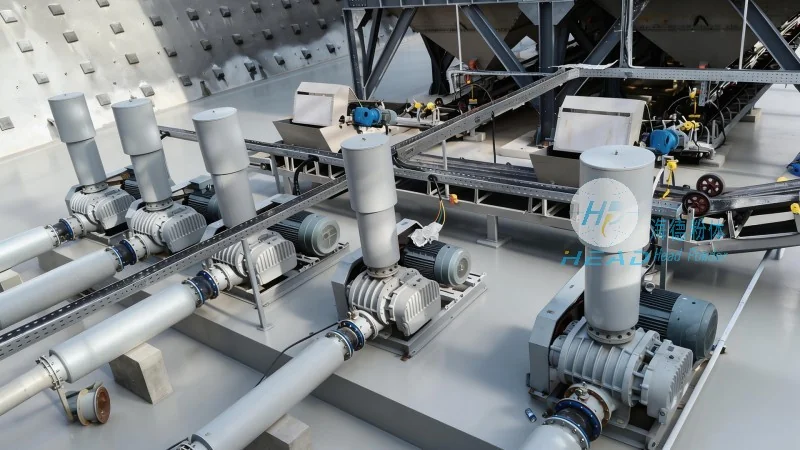
Key Considerations in Mineral Powder Pneumatic Conveying System Design
Designing a pneumatic conveying system for mineral powders requires a thorough understanding of several key factors. The first consideration is the nature of the material being conveyed. Different mineral powders have varying properties, such as particle size, density, moisture content, and flowability. These characteristics directly impact the choice of system type, as some powders may be more suitable for dense-phase conveying, while others may require dilute-phase systems. For instance, fine-grained minerals like talc or limestone may benefit from a dense-phase system to reduce particle degradation and improve conveying efficiency.
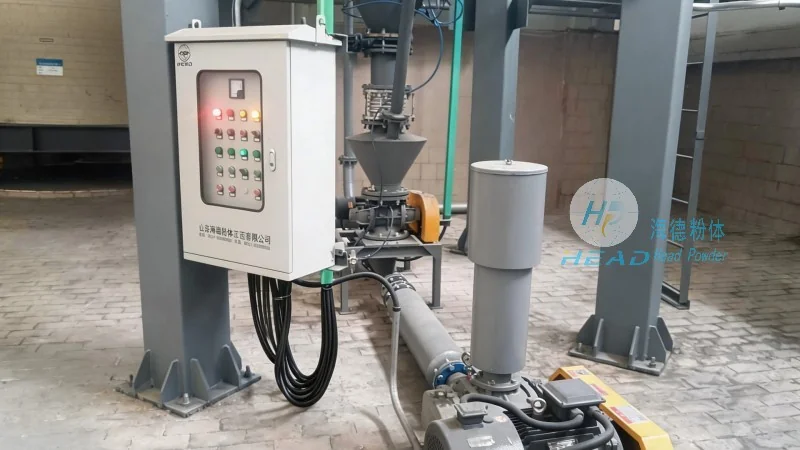
Another crucial factor is the distance and layout of the conveying route. The length of the pipeline, the number of bends, and the elevation changes all influence the system's design. For short-distance conveying, a simple positive pressure system might suffice, while longer distances may necessitate a combination of positive and negative pressure sections or even a vacuum system. The layout of the plant, including the locations of the feed hopper, silos, and discharge points, must also be carefully considered to ensure the system integrates seamlessly with existing infrastructure.
System Components and Their Roles
A pneumatic conveying system typically consists of several key components, each playing a vital role in the overall operation. The feed hopper is responsible for storing and feeding the mineral powder into the system. It must be designed to handle the specific characteristics of the material, such as preventing bridging or caking, which can disrupt the flow. The feeder, often a rotary valve or a screw feeder, controls the rate of material discharge, ensuring a consistent flow rate that matches the system's capacity.
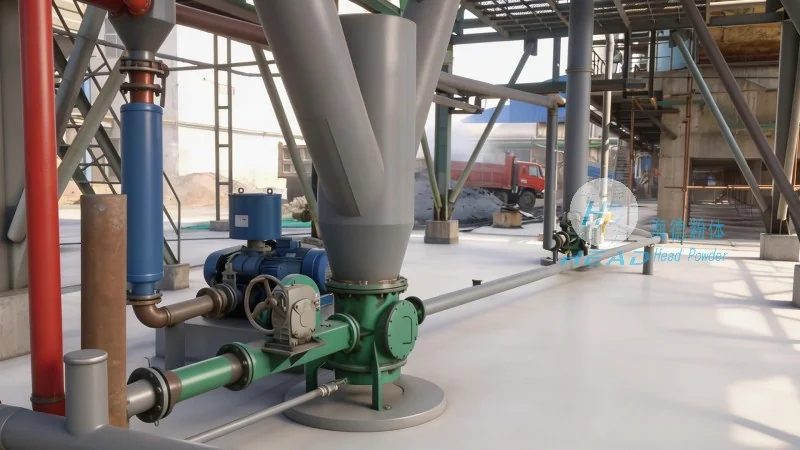
The compressor or vacuum pump provides the necessary pressure or vacuum to move the material through the pipeline. The choice of compressor type, whether positive displacement or centrifugal, depends on the system's requirements, including pressure levels, flow rates, and energy efficiency. The pipeline itself is a critical component, with considerations for material selection (e.g., stainless steel or carbon steel) to resist corrosion and wear from the mineral powder. Proper sizing of the pipeline diameter is essential to maintain adequate velocity and prevent particle settling.
The separator is another essential component, especially in dilute-phase systems. It separates the conveyed material from the air, allowing the material to be discharged into a collection bin or silo while the air is returned to the system or vented. The separator's design, including its size and type (e.g., cyclone or bag filter), must be optimized to achieve high separation efficiency without causing excessive pressure drop or material loss.
Design Process and Engineering Expertise
The design of a mineral powder pneumatic conveying system is a complex process that requires specialized engineering expertise. It involves detailed calculations and simulations to ensure the system operates within safe and efficient parameters. Engineers must consider factors such as the required conveying capacity, the maximum and minimum pressure or vacuum levels, the allowable pressure drop, and the energy consumption. Computational fluid dynamics (CFD) simulations can be used to model the flow of air and particles, helping to optimize the system design and predict potential issues before construction.
Collaboration with experienced engineering firms is crucial for a successful system design. Companies like Shandong HeadPowder Engineering Co., Ltd. bring a wealth of knowledge and practical experience to the table. With a focus on providing tailored solutions, they work closely with clients to understand their specific needs and constraints. By leveraging advanced design tools and industry best practices, these firms ensure that the final system meets all operational requirements while being cost-effective and reliable.
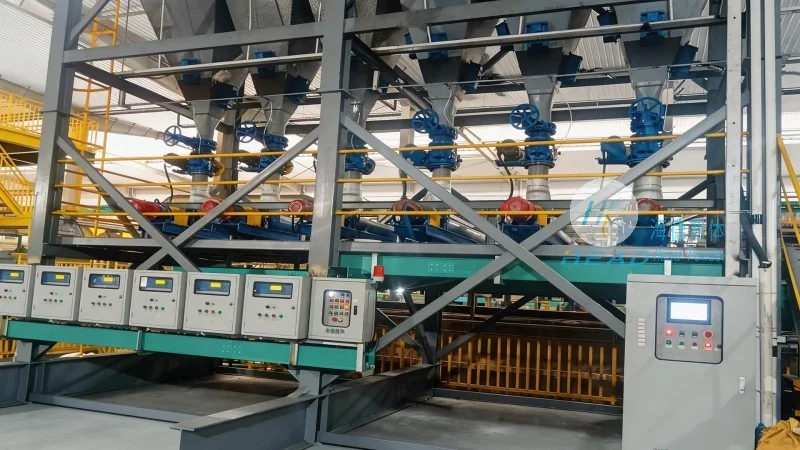
Benefits of a Well-Designed Pneumatic Conveying System
A properly designed pneumatic conveying system for mineral powders offers numerous benefits. Firstly, it enhances operational efficiency by ensuring a continuous and reliable flow of materials, reducing downtime and increasing production output. Secondly, it improves safety by minimizing the need for manual handling of powders, which can be hazardous due to dust exposure or material handling risks. Thirdly, it reduces operational costs by optimizing energy consumption and minimizing maintenance requirements. Additionally, a well-designed system can extend the lifespan of equipment by preventing wear and tear caused by improper conveying conditions.
For businesses operating in the mineral processing sector, investing in a high-quality pneumatic conveying system is a strategic decision that can yield significant returns over the long term. By selecting the right system design and working with experienced engineering partners, companies can achieve improved productivity, enhanced safety, and reduced operational expenses. The expertise of firms like Shandong HeadPowder Engineering Co., Ltd. is instrumental in realizing these benefits, as they provide comprehensive solutions that are tailored to the unique challenges and requirements of each project.

 Công ty TNHH Kỹ thuật Công trình Bột Hải Đức Sơn Đông
 156-6277-7102(Quản lý Trương)
  0531-83386006
  Quận Chương Khâu, Thành phố Tế Nam, Tỉnh Sơn Đông, Trung Quốc
Điện thoại
WeChatTư vấn
Lên đầu