Công ty Hải Đức Bột với hơn 10 năm kinh nghiệm vận chuyển khí, cung cấp hệ thống‑thiết bị‑quạt gió và nhận dự án tổng thầu bột cả nước
Wheat bran, a byproduct of the milling process, is widely utilized in the food, animal feed, and pharmaceutical industries. Efficient and reliable conveying systems are essential for handling this fine, lightweight material. This article explores common wheat bran conveying methods, with a focus on the advantages and applications of pneumatic conveying systems.
Introduction to Wheat Bran Conveying
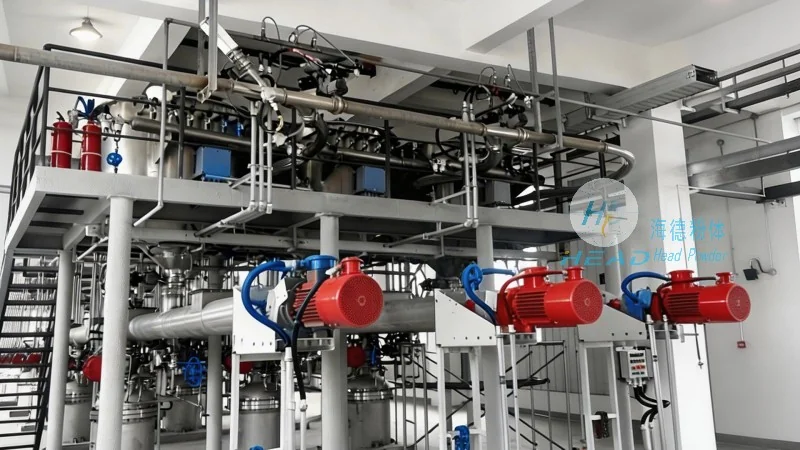
Wheat bran is a fibrous, low-density material that presents unique challenges during material handling. Traditional methods such as bucket elevators or belt conveyors may struggle with the material's tendency to cling to surfaces or create dust issues. As a result, specialized conveying solutions are often required to ensure safe, efficient, and cost-effective transport. The choice of conveying method depends on factors like material characteristics, distance, and the required throughput, making it essential to evaluate options carefully.
Common Wheat Bran Conveying Methods
Several methods are employed for transporting wheat bran, each with its own set of advantages and limitations. The most common approaches include mechanical conveyors, pneumatic conveying systems, and gravity-based solutions. Mechanical conveyors, such as belt or screw conveyors, are widely used for bulk material handling but may not be suitable for fine, dusty materials like wheat bran due to their potential to generate excessive dust and cause material buildup. Gravity conveyors, while simple and low-cost, are limited by the need for a suitable slope and are not practical for long-distance or vertical transport.
Pneumatic Conveying: The Preferred Solution for Wheat Bran
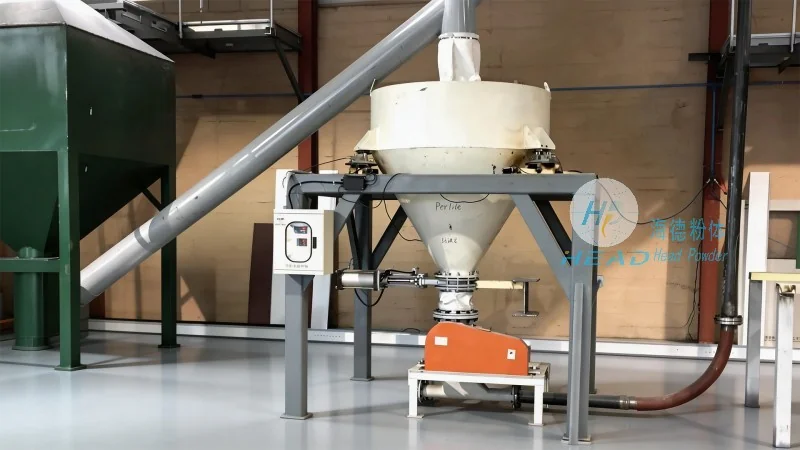
Pneumatic conveying systems have emerged as the preferred method for handling wheat bran due to their ability to transport fine, dusty materials efficiently and safely. Unlike mechanical systems, pneumatic conveyors use air pressure to move material through a closed pipeline, minimizing dust generation and preventing material degradation. There are two main types of pneumatic conveying: pressure and vacuum systems. Pressure systems use compressed air to push material through the pipeline, while vacuum systems use a vacuum to draw material in. For wheat bran, pressure systems are often preferred as they offer higher throughput and better control over material flow.
Key Features of Pneumatic Conveying for Wheat Bran
When selecting a pneumatic conveying system for wheat bran, several key features should be considered. First, the system must be designed to handle the material's low bulk density and fine particle size, which can lead to clogging or reduced efficiency. This often requires specialized components such as high-capacity blowers, flexible hoses, and smooth, non-stick pipelines. Second, the system should incorporate dust control measures to comply with environmental regulations and maintain a safe working environment. This may include filters, cyclones, and dust collection systems. Third, the system must be easy to clean and maintain to prevent material buildup and ensure long-term performance. HeadPowder, a leading manufacturer of pneumatic conveying equipment, offers a range of solutions tailored to the specific needs of wheat bran processing.
Applications of Pneumatic Conveying in Wheat Bran Processing
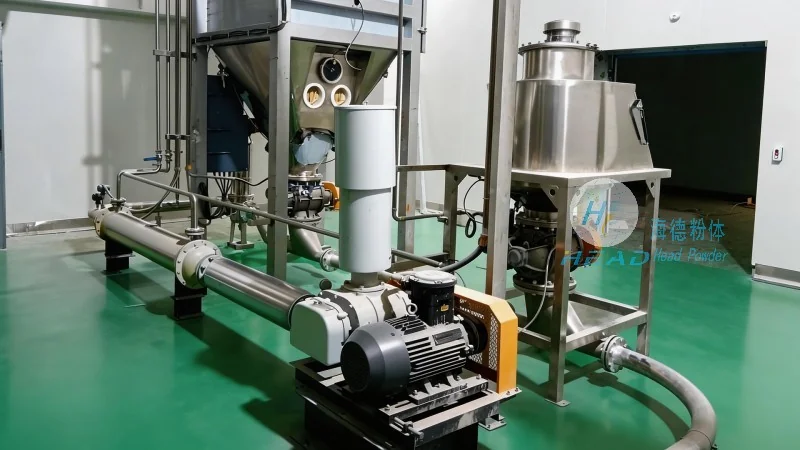
Pneumatic conveying systems are widely used in various stages of wheat bran processing, from raw material handling to final product packaging. In the milling industry, pneumatic conveyors are used to transport wheat bran from storage silos to processing lines, ensuring a continuous and efficient supply of material. In the food and feed industries, pneumatic systems are used to move wheat bran to mixing and blending equipment, where it is combined with other ingredients to create final products. The ability to transport material in a closed system also helps maintain product quality by preventing contamination and moisture absorption.
Advantages of Choosing Pneumatic Conveying for Wheat Bran
Compared to other conveying methods, pneumatic conveying offers several advantages for wheat bran. First, it is highly efficient, with the ability to transport material over long distances and vertical heights with minimal energy consumption. Second, it is flexible, as the system can be easily reconfigured to accommodate changes in production volume or layout. Third, it is safe, as the closed pipeline design prevents dust exposure and reduces the risk of fire or explosion. Fourth, it is cost-effective, as the system requires less maintenance and has a longer lifespan compared to mechanical conveyors. HeadPowder's pneumatic conveying systems are designed to deliver these benefits, providing reliable and efficient transport for wheat bran processing facilities.
Conclusion
Efficient wheat bran conveying is essential for maintaining productivity and product quality in the processing industry. While mechanical and gravity-based systems have their uses, pneumatic conveying systems offer superior performance and flexibility for handling this fine, lightweight material. By choosing a well-designed pneumatic conveying system from a reputable manufacturer like HeadPowder, processing facilities can ensure safe, efficient, and cost-effective transport of wheat bran. With its expertise in pneumatic conveying technology, HeadPowder provides tailored solutions that meet the specific needs of wheat bran processing, helping businesses optimize their operations and improve overall performance.

 Công ty TNHH Kỹ thuật Công trình Bột Hải Đức Sơn Đông
 156-6277-7102(Quản lý Trương)
  0531-83386006
  Quận Chương Khâu, Thành phố Tế Nam, Tỉnh Sơn Đông, Trung Quốc
Điện thoại
WeChatTư vấn
Lên đầu