Công ty Hải Đức Bột với hơn 10 năm kinh nghiệm vận chuyển khí, cung cấp hệ thống‑thiết bị‑quạt gió và nhận dự án tổng thầu bột cả nước
Condiments are essential ingredients in the food industry, and their efficient and safe transportation is crucial for maintaining product quality and operational efficiency. Various methods are employed to convey condiments, with each having its own advantages and applications. This article provides an overview of common condiment conveying methods, with a focus on powder pneumatic conveying, a widely used technique in the industry.
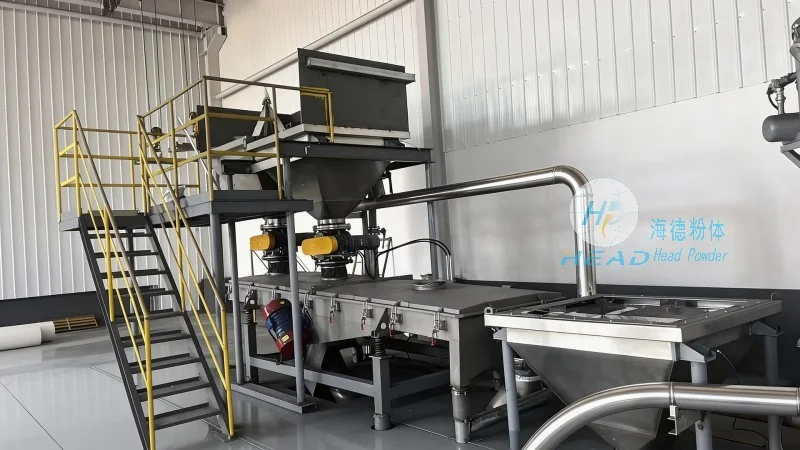
Overview of Condiment Conveying Methods
Condiment conveying involves the movement of powders or granules from one location to another within a processing facility. The choice of conveying method depends on factors such as the physical properties of the condiment (e.g., particle size, moisture content, flowability), the distance to be covered, and the required level of hygiene and control. Common methods include mechanical conveyors, pneumatic conveyors, and gravity-based systems. Each method has specific characteristics that make it suitable for different applications.
Pneumatic Conveying: A Detailed Introduction
Pneumatic conveying, also known as powder pneumatic conveying, is a method that uses air or other gases to transport bulk materials like condiments. This technique is particularly effective for handling fine powders and granules, which are often sensitive to mechanical stress or contamination. The process typically involves a hopper or storage silo from which the material is drawn into a pipeline. Compressed air is then introduced to create a flow of material through the pipeline, transporting it to the destination point. There are two main types of pneumatic conveying systems: pressure and vacuum systems. Pressure systems use compressed air to push the material forward, while vacuum systems use a vacuum to pull the material into the pipeline.
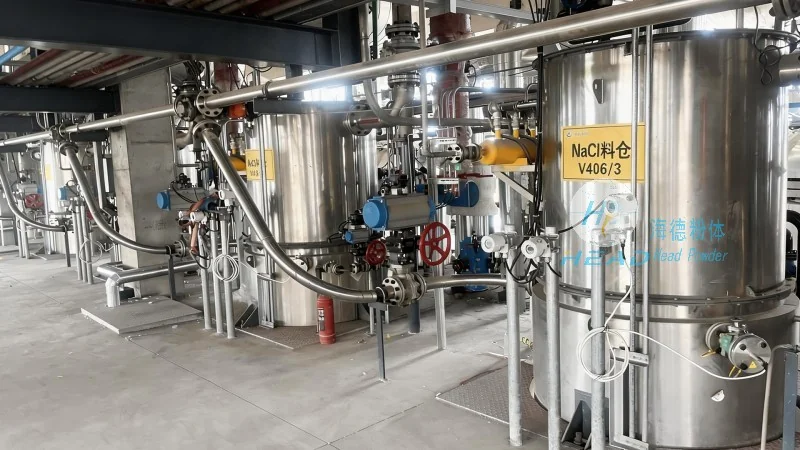
Advantages of Powder Pneumatic Conveying for Condiments
For condiments, powder pneumatic conveying offers several key advantages. Firstly, it provides a hygienic and enclosed system, which is essential for maintaining the quality and safety of food products. The material is contained within a sealed pipeline, reducing the risk of contamination from external sources. Secondly, it allows for precise control over the flow rate and pressure, enabling accurate dosing and consistent product delivery. Thirdly, pneumatic conveying systems can handle a wide range of particle sizes and flow properties, making them versatile for different types of condiments. Additionally, these systems are relatively compact and can be easily integrated into existing processing lines, saving space and reducing installation costs.
Application Examples in the Condiment Industry
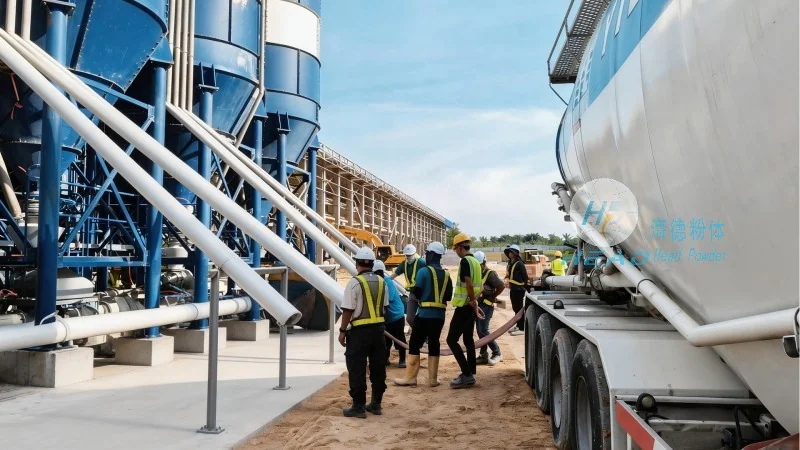
HeadPowder Engineering Co., Ltd., a leading provider of conveying solutions, specializes in designing and manufacturing custom pneumatic conveying systems for the condiment industry. Their expertise lies in understanding the unique challenges of handling various condiments, such as spices, seasonings, and flavorings. For instance, when conveying fine spices like paprika or cumin, the company's systems ensure minimal degradation and consistent particle size distribution. Similarly, for granular seasonings like salt or sugar, the systems maintain the integrity of the product while preventing caking or agglomeration. The company's solutions are tailored to meet the specific requirements of each client, ensuring optimal performance and reliability.
Key Considerations for Implementing Pneumatic Conveying Systems
When implementing a pneumatic conveying system for condiments, several factors must be considered to ensure successful operation. Firstly, the material's physical properties, including its moisture content and flowability, must be carefully evaluated to select the appropriate system design. Secondly, the system's capacity and pressure requirements must be determined based on the production volume and distance of transport. Thirdly, the choice of pipeline material and components is critical for maintaining hygiene and preventing material buildup or corrosion. Additionally, regular maintenance and cleaning are essential to prevent blockages and ensure long-term system performance. HeadPowder Engineering Co., Ltd. offers comprehensive support, including system design, installation, and maintenance services, to help clients optimize their conveying operations.
Conclusion
Condiment conveying is a critical aspect of the food processing industry, and the choice of conveying method significantly impacts product quality and operational efficiency. Powder pneumatic conveying, with its hygienic, controlled, and versatile nature, is a preferred solution for many condiment manufacturers. Companies like Shandong HeadPowder Engineering Co., Ltd. play a vital role in providing tailored conveying systems that meet the specific needs of the industry, ensuring efficient and reliable transport of condiments from storage to processing or packaging stages. By leveraging advanced pneumatic conveying technology, condiment producers can enhance their production processes and maintain high standards of product quality.

 Công ty TNHH Kỹ thuật Công trình Bột Hải Đức Sơn Đông
 156-6277-7102(Quản lý Trương)
  0531-83386006
  Quận Chương Khâu, Thành phố Tế Nam, Tỉnh Sơn Đông, Trung Quốc
Điện thoại
WeChatTư vấn
Lên đầu