Công ty Hải Đức Bột với hơn 10 năm kinh nghiệm vận chuyển khí, cung cấp hệ thống‑thiết bị‑quạt gió và nhận dự án tổng thầu bột cả nước
Wood chip conveying is a critical process in the wood processing industry, ensuring efficient material transport from collection to processing stages. The choice of conveying method significantly impacts operational efficiency, cost, and environmental impact. This article explores common wood chip conveying methods, with a focus on the advantages and applications of pneumatic conveying systems.
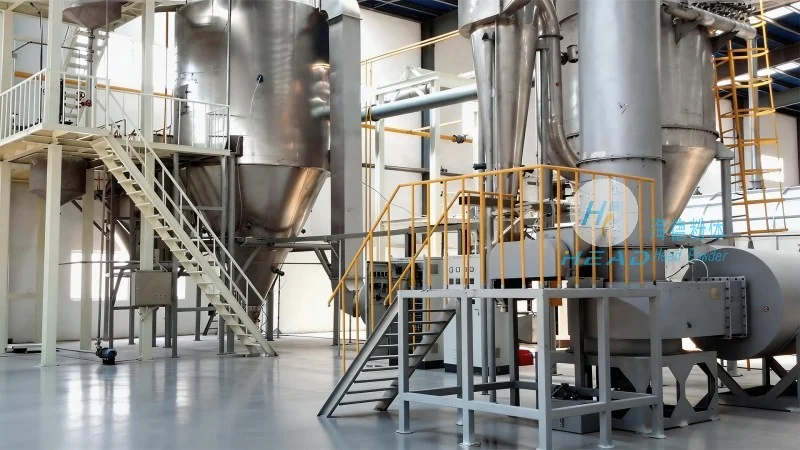
Overview of Wood Chip Conveying Methods
Wood chips, produced from logging operations or wood processing, require reliable and efficient transport systems to move them between various stages of processing, such as drying, sorting, and pelletizing. Traditional methods include belt conveyors, screw conveyors, and bucket elevators, each with its own set of advantages and limitations. However, as industries seek higher throughput and more flexible systems, pneumatic conveying has emerged as a preferred solution for many applications.
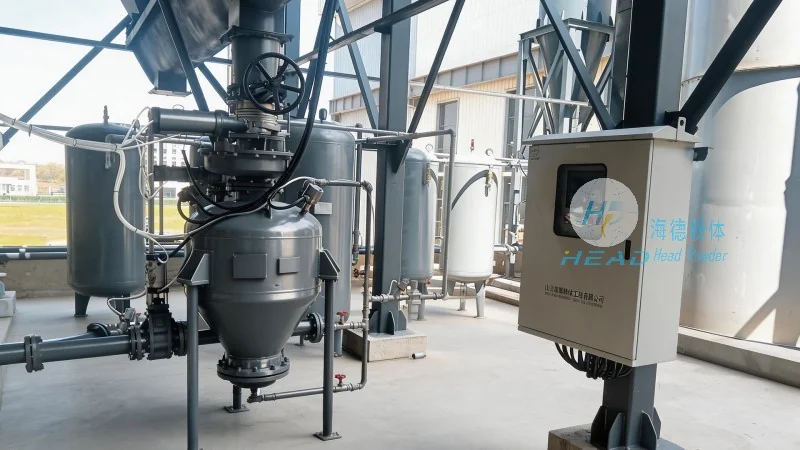
Pneumatic Conveying Systems for Wood Chips
HeadPowder Engineering, a leading provider of industrial conveying solutions, specializes in designing and manufacturing advanced pneumatic systems tailored for wood chip handling. Pneumatic conveying uses compressed air or gas to transport materials through a pipeline, offering several key benefits over traditional mechanical systems. These include high capacity, minimal maintenance, and the ability to handle a wide range of chip sizes and moisture content.
There are two primary types of pneumatic conveying systems used for wood chips: dilute-phase and dense-phase. Dilute-phase systems use low air velocity to transport chips in a suspended state, suitable for long-distance and high-capacity applications. Dense-phase systems, on the other hand, use higher air pressure and lower velocity to move chips in a slurry-like state, which is ideal for handling abrasive or sticky materials and ensuring minimal product degradation.
Advantages of Pneumatic Conveying for Wood Chips
Implementing pneumatic conveying for wood chips offers numerous advantages that enhance overall operational performance. One of the most significant benefits is the reduction in labor and maintenance costs. Unlike mechanical conveyors that require regular cleaning and part replacement, pneumatic systems have fewer moving parts and are less prone to wear and tear. This leads to lower downtime and extended equipment life.
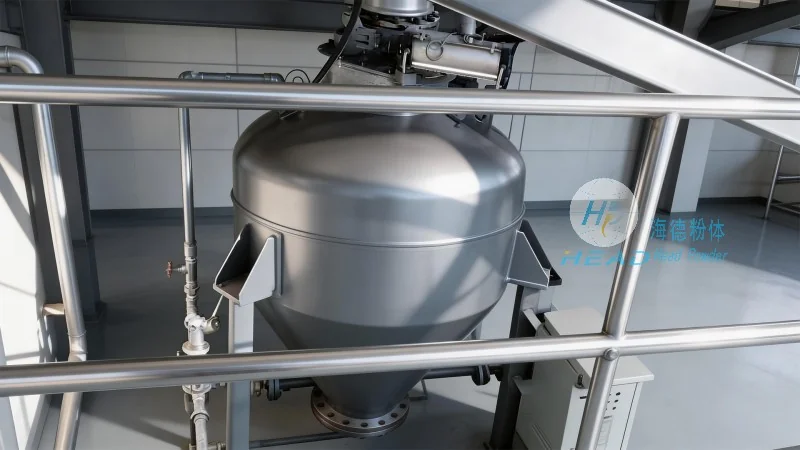
Another key advantage is the ability to handle varying chip characteristics. Pneumatic systems can accommodate chips with different sizes, shapes, and moisture levels without the need for pre-processing or additional equipment. This flexibility makes them suitable for diverse wood processing applications, from raw chip transport to finished product handling.
Environmental considerations also play a crucial role in the adoption of pneumatic conveying. By using enclosed pipelines, these systems minimize dust emissions and prevent contamination from external elements. This not only improves workplace safety but also complies with environmental regulations, making them a sustainable choice for modern wood processing facilities.
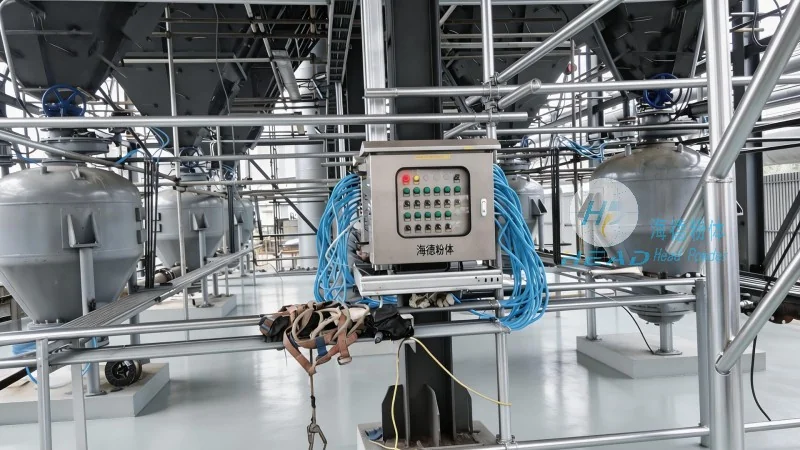
Applications and Use Cases
HeadPowder Engineering's pneumatic conveying solutions are widely used in various wood processing industries. For example, in sawmills, pneumatic systems efficiently transport wood chips from debarking and cutting operations to drying kilns. In pellet mills, they ensure consistent feed of chips to the pelletizing machines, maintaining optimal production rates. Additionally, in biomass energy facilities, these systems help transport wood chips to combustion or gasification units, supporting renewable energy generation.
Conclusion
Choosing the right wood chip conveying method is essential for optimizing wood processing operations. While traditional mechanical systems have their place, pneumatic conveying offers superior performance, flexibility, and sustainability. HeadPowder Engineering, with its expertise in industrial conveying, provides customized solutions that meet the specific needs of wood processing facilities. By investing in advanced pneumatic systems, companies can enhance productivity, reduce costs, and ensure compliance with environmental standards. As the wood industry continues to evolve, the adoption of efficient conveying technologies like pneumatic systems will remain critical for maintaining competitiveness and sustainability.

 Công ty TNHH Kỹ thuật Công trình Bột Hải Đức Sơn Đông
 156-6277-7102(Quản lý Trương)
  0531-83386006
  Quận Chương Khâu, Thành phố Tế Nam, Tỉnh Sơn Đông, Trung Quốc
Điện thoại
WeChatTư vấn
Lên đầu