Công ty Hải Đức Bột với hơn 10 năm kinh nghiệm vận chuyển khí, cung cấp hệ thống‑thiết bị‑quạt gió và nhận dự án tổng thầu bột cả nước
Wool processing involves various stages from raw material handling to final product manufacturing. Among these, efficient and reliable wool conveying is crucial for maintaining quality and productivity. Different methods are employed based on the specific requirements of the wool processing facility. This article provides an overview of common wool conveying methods, with a particular focus on the advantages and applications of pneumatic conveying systems.
Understanding Wool Conveying Requirements
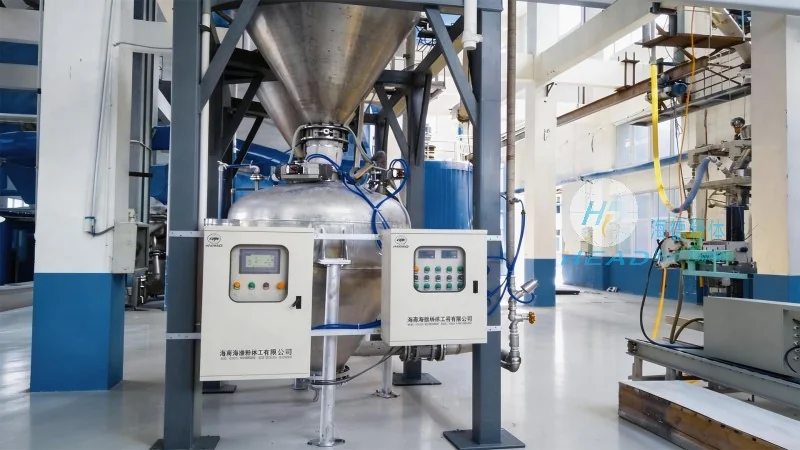
Before selecting a wool conveying system, it is essential to consider several factors that influence the choice of technology. These include the type and quantity of wool being handled, the distance over which it needs to be transported, the need for dust control, and the overall budget constraints. Each of these elements plays a significant role in determining the most suitable conveying method for a given application.
Common Wool Conveying Methods
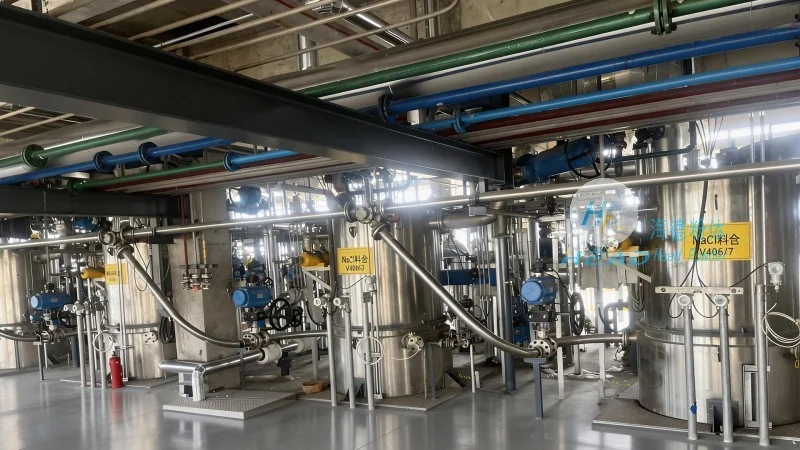
Several traditional and modern methods are used for transporting wool within processing plants. These include gravity conveyors, mechanical systems such as belt conveyors and screw conveyors, and pneumatic (air) systems. Each method has its own set of advantages and limitations, making it important to evaluate them carefully against the specific operational needs.
Gravity Conveyors for Wool Handling
Gravity conveyors utilize the natural force of gravity to move wool from one elevation to another. These systems are typically used for short distances and when the wool is already in a loose or bale form. They are simple in design, requiring minimal maintenance, and are cost-effective for low-volume applications. However, their efficiency is limited by the need for a slope and the physical characteristics of the wool, which can affect the flow rate.
Mechanical Conveyors: Belt and Screw Systems
Mechanical conveyors, including belt and screw conveyors, are widely used in wool processing facilities. Belt conveyors are effective for transporting wool over longer distances and can handle a variety of wool types, including loose fibers and bales. They are capable of handling high volumes and can be integrated with other processing equipment. Screw conveyors, on the other hand, are ideal for moving wool in a vertical or inclined direction, often used in storage silos or feed systems. Both systems are robust and durable, providing reliable performance under heavy-duty conditions.
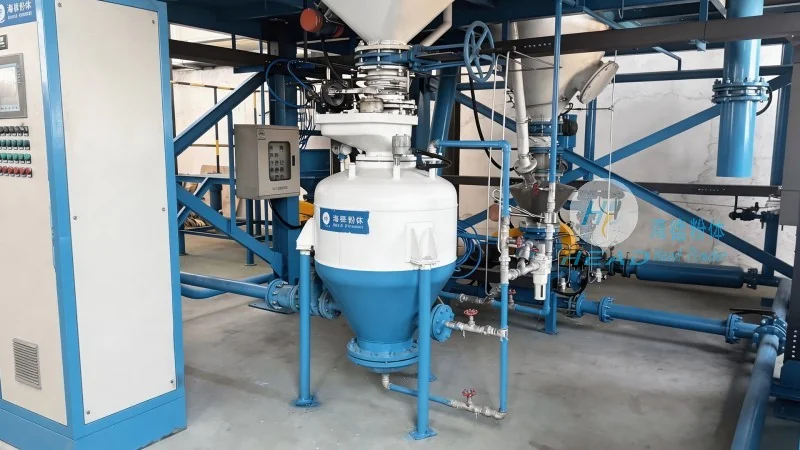
Pneumatic Conveying: The Preferred Solution for Wool Transport
Pneumatic conveying systems have emerged as the preferred method for handling wool due to their versatility, efficiency, and ability to control dust. These systems use air pressure to transport wool particles through a pipeline network. There are two main types of pneumatic conveying: pressure and vacuum systems. Pressure systems use compressed air to push the wool forward, while vacuum systems use a vacuum to pull the material. The choice between the two depends on the distance, volume, and specific handling requirements.
Advantages of Wool Pneumatic Conveying
Wool pneumatic conveying offers several key advantages over other methods. Firstly, it provides excellent dust control, which is critical for maintaining a safe and healthy working environment in wool processing facilities. The enclosed system prevents wool dust from being released into the air, reducing the risk of respiratory issues and fire hazards. Secondly, pneumatic systems are highly efficient in terms of energy consumption and material handling speed. They can transport wool over long distances with minimal loss and can handle both loose fibers and bales with equal ease. Additionally, these systems are flexible and can be easily integrated with other processing equipment, allowing for seamless workflow in the plant.
Applications of Wool Pneumatic Conveying
The versatility of pneumatic conveying makes it suitable for a wide range of applications in wool processing. For instance, it is commonly used to transport wool from storage bales to the carding or spinning machines. It can also be employed to move wool between different processing stages, such as from cleaning to blending. In addition, pneumatic systems are used for material transfer in large-scale wool processing plants, where multiple lines and high throughput are required. The ability to handle both dry and slightly moist wool makes pneumatic conveying a reliable choice for various processing conditions.
Key Considerations for Implementing Wool Pneumatic Conveying
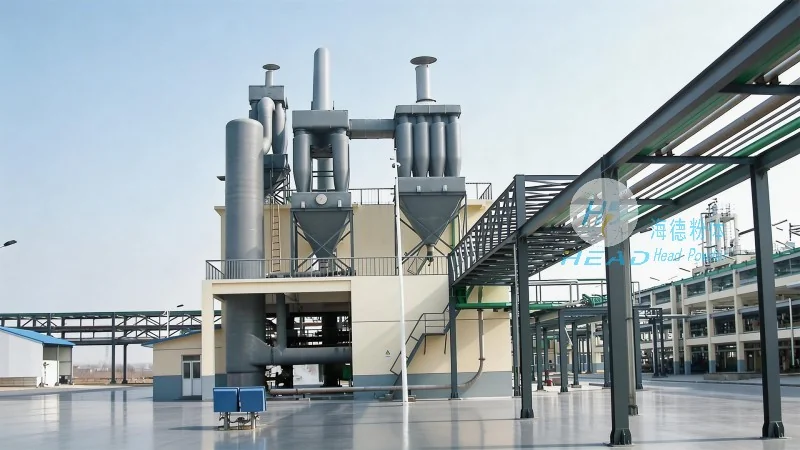
When implementing a wool pneumatic conveying system, several factors must be considered to ensure optimal performance and longevity. These include the selection of appropriate air pressure and flow rates, the design of the pipeline network to minimize pressure losses, and the use of high-quality components that can withstand the abrasive nature of wool fibers. Regular maintenance is also crucial to prevent blockages and ensure consistent operation. Proper filtration and cleaning of the system are necessary to maintain air quality and prevent dust accumulation.
Conclusion
Wool conveying is a critical aspect of the wool processing industry, and the choice of conveying method significantly impacts operational efficiency and product quality. While gravity and mechanical conveyors have their uses, pneumatic conveying systems offer superior performance, especially in terms of dust control and flexibility. By understanding the specific requirements of the wool processing facility and selecting the appropriate conveying system, manufacturers can enhance productivity and ensure a safe working environment. For those seeking reliable and efficient wool conveying solutions, Shandong HeadPowder Engineering Co., Ltd. provides advanced pneumatic conveying systems tailored to meet the unique needs of wool processing operations.

 Công ty TNHH Kỹ thuật Công trình Bột Hải Đức Sơn Đông
 156-6277-7102(Quản lý Trương)
  0531-83386006
  Quận Chương Khâu, Thành phố Tế Nam, Tỉnh Sơn Đông, Trung Quốc
Điện thoại
WeChatTư vấn
Lên đầu