Công ty Hải Đức Bột với hơn 10 năm kinh nghiệm vận chuyển khí, cung cấp hệ thống‑thiết bị‑quạt gió và nhận dự án tổng thầu bột cả nước
Foam conveying is a critical process in various industrial applications, particularly for handling bulk materials that are difficult to transport through traditional methods. The technology involves the use of foam, which is created by mixing air or gas with a liquid carrier, to transport solids. This method offers several advantages, including reduced material degradation, lower energy consumption compared to other bulk material handling systems, and the ability to transport materials over long distances without the need for complex infrastructure. Understanding the different types of foam conveying systems is essential for selecting the most appropriate solution for specific industrial needs.
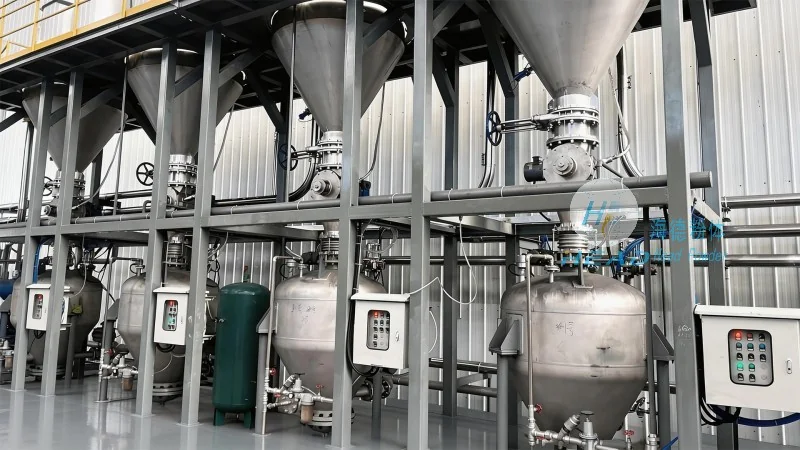
About HeadPowder Engineering Co., Ltd.
HeadPowder, a leading manufacturer in the field of bulk material handling solutions, specializes in providing advanced foam conveying systems. With a strong presence in Shandong, China, the company has established itself as a trusted partner for industries requiring efficient and reliable material transport solutions. HeadPowder's commitment to innovation and quality ensures that their products meet the highest standards of performance and durability, catering to the diverse needs of various sectors such as food processing, pharmaceuticals, and chemical manufacturing.
Types of Foam Conveying Systems
There are primarily two main categories of foam conveying systems: positive pressure and negative pressure systems. Each type has distinct characteristics and is suitable for different operational requirements. Positive pressure systems, also known as pressure-fed systems, use a positive pressure to push the foam through the conveying line. This method is often preferred for long-distance transport and when dealing with abrasive or sensitive materials. The positive pressure ensures that the foam maintains its integrity and effectively transports the solids without clogging or degradation.
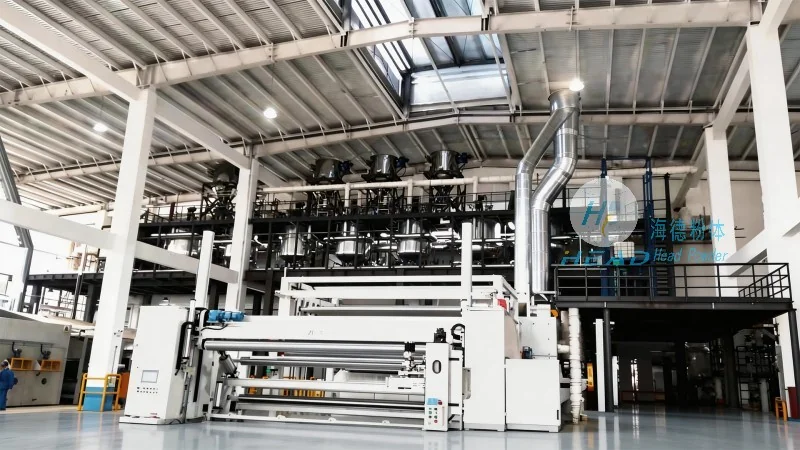
Positive Pressure Foam Conveying
Positive pressure foam conveying systems operate by generating a pressure differential that drives the foam mixture through the pipeline. The system typically includes a foam generator, which mixes the liquid carrier with air or gas under pressure, and a pump that delivers the foam to the conveying line. The positive pressure helps in maintaining the stability of the foam, preventing it from collapsing or losing its carrying capacity. This method is particularly effective for transporting materials over distances exceeding 100 meters and is commonly used in industries where material handling efficiency and reliability are paramount. The positive pressure also allows for the use of smaller diameter pipelines, reducing installation costs and space requirements. HeadPowder's positive pressure foam conveying systems are designed with advanced control mechanisms that optimize the foam generation process, ensuring consistent performance and minimal maintenance.
Negative Pressure Foam Conveying
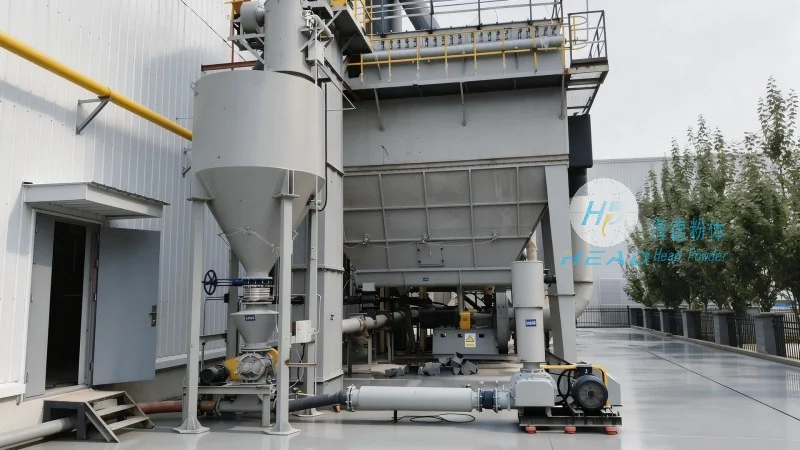
Negative pressure systems, also known as vacuum-assisted systems, rely on a vacuum to draw the foam and the material through the conveying line. This method is often used for shorter distances and when the material is to be collected from multiple points. The vacuum is created by a fan or a vacuum pump, which pulls the foam mixture into the pipeline. Negative pressure systems are advantageous for applications where the material needs to be transported from a lower elevation to a higher one, as the vacuum helps in lifting the material. However, they are generally less suitable for long-distance transport due to the limitations in maintaining the foam's stability over extended distances. HeadPowder's negative pressure foam conveying systems are equipped with efficient vacuum generation units and robust filtration systems to prevent material blockages and ensure smooth operation.
Key Features and Benefits of Foam Conveying
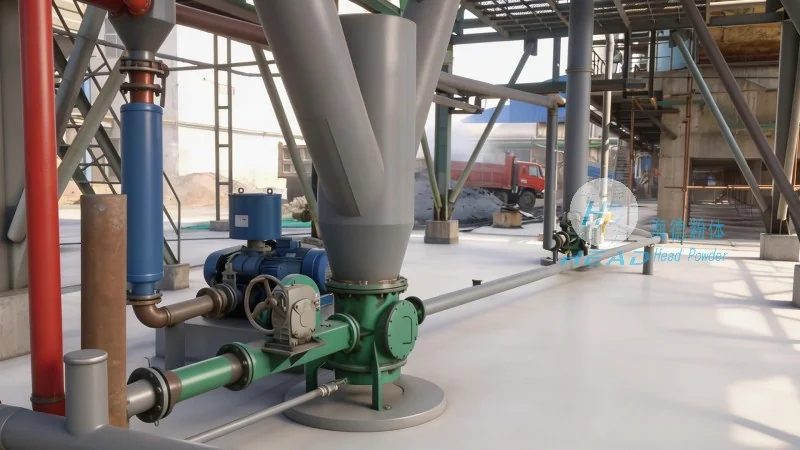
Both positive and negative pressure foam conveying systems offer several key benefits that make them attractive for industrial applications. One of the primary advantages is the gentle handling of materials, which minimizes product degradation and preserves the quality of sensitive items. The foam acts as a cushion, reducing friction and impact during transport, thus preventing damage to the material particles. Another significant benefit is the energy efficiency of the systems. Compared to pneumatic conveying systems that use high-pressure air, foam conveying consumes less energy, resulting in lower operational costs. Additionally, foam conveying allows for the transport of materials with high moisture content or those that are prone to caking, as the foam helps in maintaining the material's flowability. The systems also provide flexibility in terms of pipeline layout, as they can be installed in various configurations to suit the specific layout of the industrial facility. HeadPowder's foam conveying systems are designed to incorporate these benefits, ensuring that customers receive a reliable and cost-effective solution tailored to their operational needs.
Applications in Different Industries
The versatility of foam conveying systems makes them applicable across a wide range of industries. In the food processing industry, foam conveying is used to transport powders such as flour, sugar, and spices, ensuring that the products remain fresh and free from contamination. The gentle handling of the material prevents clumping and maintains the product's quality, which is crucial for meeting food safety standards. In the pharmaceutical industry, foam conveying is employed to transport active pharmaceutical ingredients (APIs) and other sensitive materials, where maintaining the purity and integrity of the product is paramount. The systems are designed to be sterile and easy to clean, ensuring compliance with regulatory requirements. In the chemical industry, foam conveying is used for handling various powders and granules, including catalysts and reagents, where the material's stability and handling are critical. HeadPowder's foam conveying systems are adapted to meet the specific requirements of each industry, providing customized solutions that enhance operational efficiency and product quality.
Conclusion and Contact Information
Foam conveying technology, as offered by HeadPowder Engineering Co., Ltd., represents a sophisticated and efficient solution for bulk material handling. By understanding the different types of foam conveying systems and their applications, industries can select the most suitable method to meet their operational needs. HeadPowder's commitment to quality, innovation, and customer satisfaction ensures that their foam conveying systems are reliable, durable, and cost-effective. For more information about their products and services, please contact HeadPowder Engineering Co., Ltd. located in Shandong, China.

 Công ty TNHH Kỹ thuật Công trình Bột Hải Đức Sơn Đông
 156-6277-7102(Quản lý Trương)
  0531-83386006
  Quận Chương Khâu, Thành phố Tế Nam, Tỉnh Sơn Đông, Trung Quốc
Điện thoại
WeChatTư vấn
Lên đầu