Công ty Hải Đức Bột với hơn 10 năm kinh nghiệm vận chuyển khí, cung cấp hệ thống‑thiết bị‑quạt gió và nhận dự án tổng thầu bột cả nước
Sand is a widely used construction material, and efficient transportation is crucial for construction projects. A sand pneumatic conveying system is an effective method to transport sand from storage to processing or application sites. This article provides a comprehensive guide on how to design a reasonable sand pneumatic conveying system plan, focusing on key factors that ensure system efficiency, reliability, and cost-effectiveness.
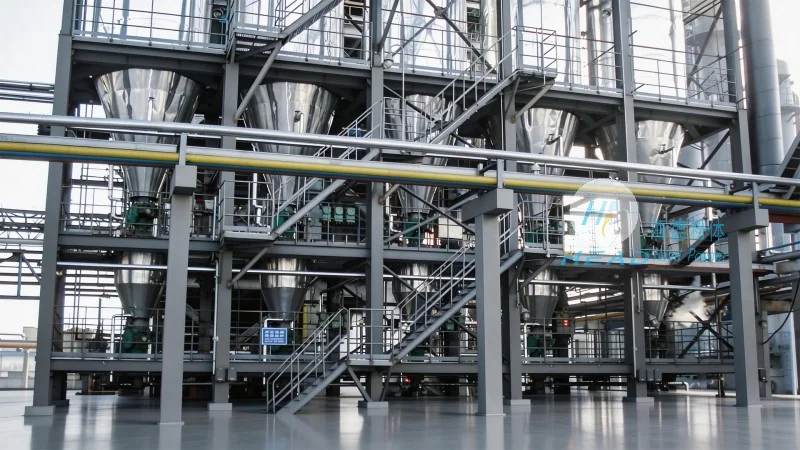
Key Considerations for Designing an Efficient Sand Pneumatic Conveying System
Designing a sand pneumatic conveying system requires careful consideration of several factors. The first step is to understand the material characteristics of the sand, such as particle size, moisture content, and bulk density. These properties directly impact the system's airflow requirements and component selection. Additionally, the distance and elevation changes between the sand source and destination are critical factors that influence the system's design.
Material Characteristics and Flow Properties
The particle size distribution of sand is a primary factor affecting the system's performance. Coarse sand particles may require higher air velocities to maintain flow, while fine sand particles can lead to clogging if not properly handled. Moisture content is another important consideration, as high moisture levels can cause sand to clump, reducing system efficiency. The bulk density of the sand also plays a role in determining the required air volume and pressure to achieve the desired conveying rate.
System Configuration and Components
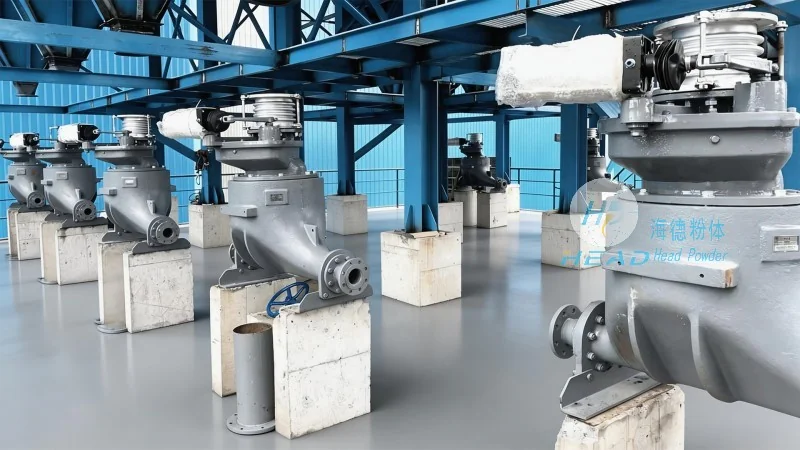
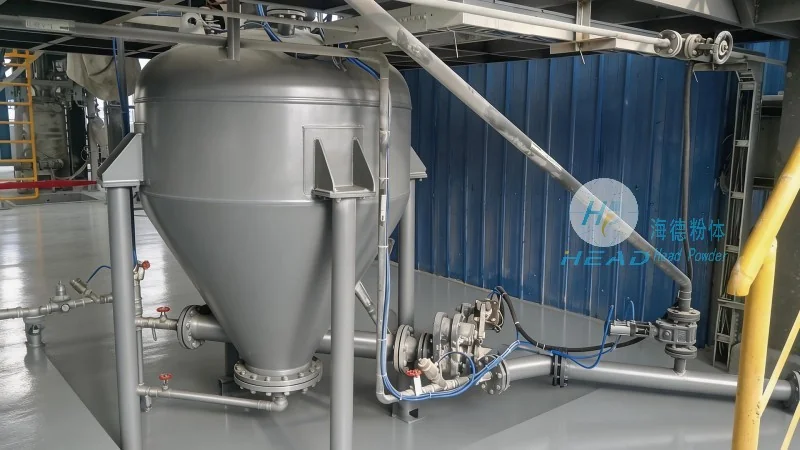
A typical sand pneumatic conveying system consists of several key components, including a hopper, feeder, air compressor, conveying pipe, and receiver. The hopper is used to store the sand and provide a consistent feed to the system. The feeder controls the flow rate of sand into the system, ensuring a steady supply. The air compressor generates the necessary pressure to move the sand through the conveying pipe. The conveying pipe is typically made of metal or plastic, with appropriate diameter and length to accommodate the system's requirements. The receiver collects the sand at the destination.
Airflow Management and Pressure Requirements
Airflow management is a critical aspect of sand pneumatic conveying system design. The air velocity in the conveying pipe must be sufficient to keep the sand particles suspended and prevent clogging. However, excessive air velocity can increase energy consumption and wear on components. The pressure requirements depend on the system's length, elevation changes, and the properties of the sand. Proper pressure control ensures optimal performance and reduces operational costs.
Equipment Selection and Installation
Selecting the right equipment for a sand pneumatic conveying system is essential for its success. The air compressor should be chosen based on the system's required air volume and pressure. Different types of compressors, such as rotary screw or reciprocating, may be suitable depending on the application. The conveying pipe should be sized appropriately to minimize pressure drop and energy consumption. Installation of the system should follow best practices to ensure proper alignment and sealing, preventing air leaks and system inefficiencies.
Maintenance and Operational Optimization
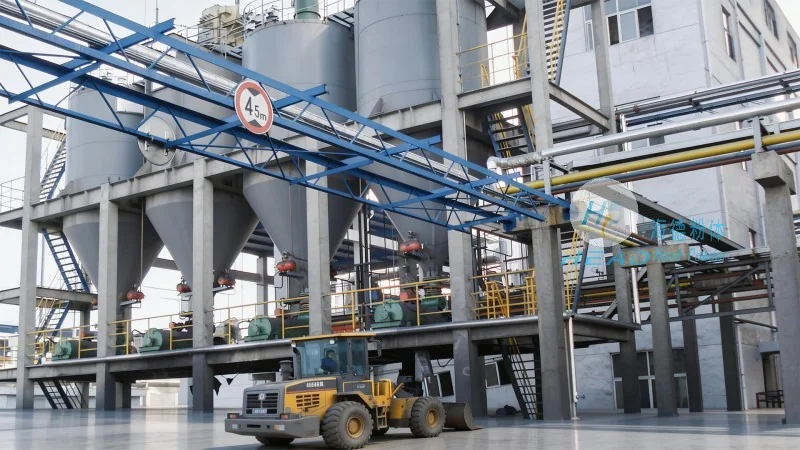
Regular maintenance is crucial to keep a sand pneumatic conveying system operating efficiently. This includes cleaning the hopper and feeder to prevent clogging, checking the air compressor for proper operation, and inspecting the conveying pipe for wear or damage. Operational optimization involves monitoring the system's performance and adjusting parameters as needed. For example, adjusting the feeder speed or air pressure can improve conveying efficiency and reduce energy consumption.
Conclusion
Designing a reasonable sand pneumatic conveying system requires a thorough understanding of the material properties, system components, and operational requirements. By considering these factors and following best practices, a system can be designed to efficiently transport sand while minimizing costs and maximizing reliability. HeadPowder, a leading company in the field, offers expert design and implementation services to help clients achieve their sand conveying needs.

 Công ty TNHH Kỹ thuật Công trình Bột Hải Đức Sơn Đông
 156-6277-7102(Quản lý Trương)
  0531-83386006
  Quận Chương Khâu, Thành phố Tế Nam, Tỉnh Sơn Đông, Trung Quốc
Điện thoại
WeChatTư vấn
Lên đầu