Công ty Hải Đức Bột với hơn 10 năm kinh nghiệm vận chuyển khí, cung cấp hệ thống‑thiết bị‑quạt gió và nhận dự án tổng thầu bột cả nước
For industrial applications requiring the efficient and reliable transport of colored sand, designing a pneumatic conveying system demands careful consideration of several critical factors. This article outlines key aspects to ensure the successful implementation of a colored sand pneumatic conveying system, presented by Shandong HeadPowder Engineering Co., Ltd., a leading provider in the field.
Understanding the Core Requirements of Colored Sand Pneumatic Conveying
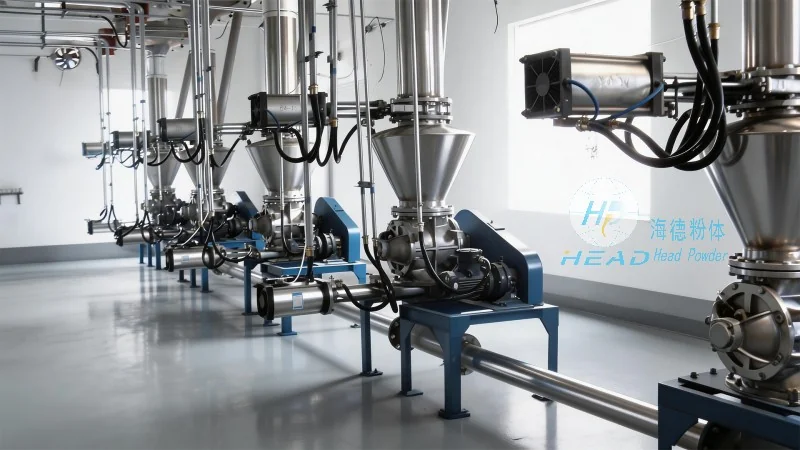
Before initiating the design process, it is essential to define the operational parameters and material characteristics of the colored sand being handled. Factors such as particle size distribution, moisture content, bulk density, and flowability directly impact the system's performance. Accurate characterization of these properties helps in selecting the appropriate conveying method—whether it's a dilute phase or dense phase system—and determining the necessary equipment specifications.
System Layout and Component Selection
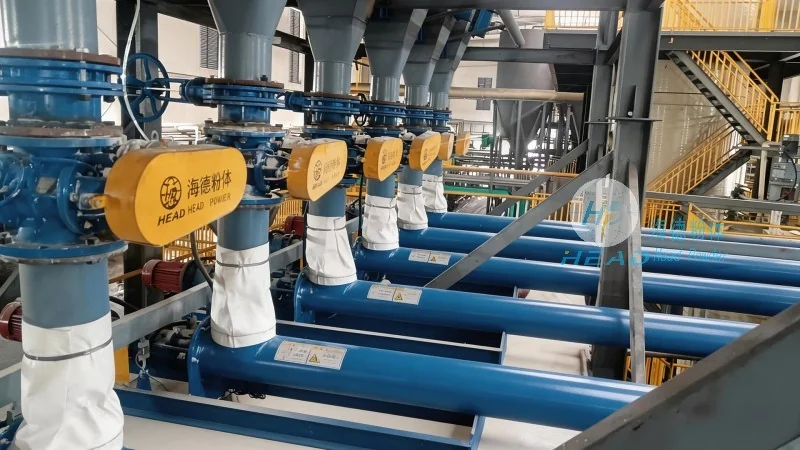
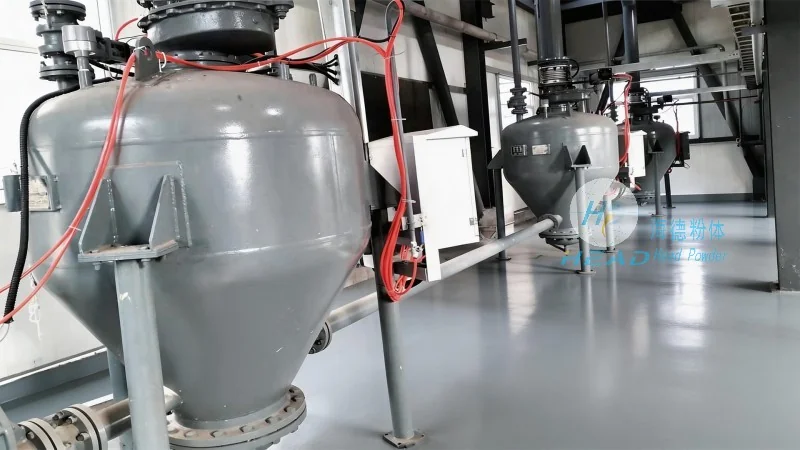
The layout of a colored sand pneumatic conveying system involves strategic placement of key components, including the hopper, feeder, air compressor, filter, and receiver. The hopper must be designed to accommodate the bulk storage of colored sand, with features like a conical bottom to facilitate smooth material discharge. The feeder, typically a rotary valve or a screw feeder, ensures a consistent and controlled flow of sand into the system, preventing blockages and maintaining system efficiency. The air compressor is the heart of the system, providing the necessary pressure and airflow to transport the material through the pipeline. Its capacity and pressure rating must match the system's requirements, considering the length of the conveying line and the elevation changes.
Pipeline Design and Material Considerations
Pipeline design is a critical aspect of the system, as it directly affects the conveying efficiency and material integrity. The choice of pipe material—such as stainless steel, aluminum, or plastic—depends on factors like the sand's chemical compatibility, abrasiveness, and the system's operating pressure. Stainless steel is commonly preferred for its durability and resistance to corrosion, especially when handling colored sand with potential chemical properties. The pipe diameter is determined based on the required airflow rate and the material's flow characteristics, ensuring that the velocity within the pipeline remains within optimal ranges to prevent particle degradation or system wear.
Control and Monitoring Systems
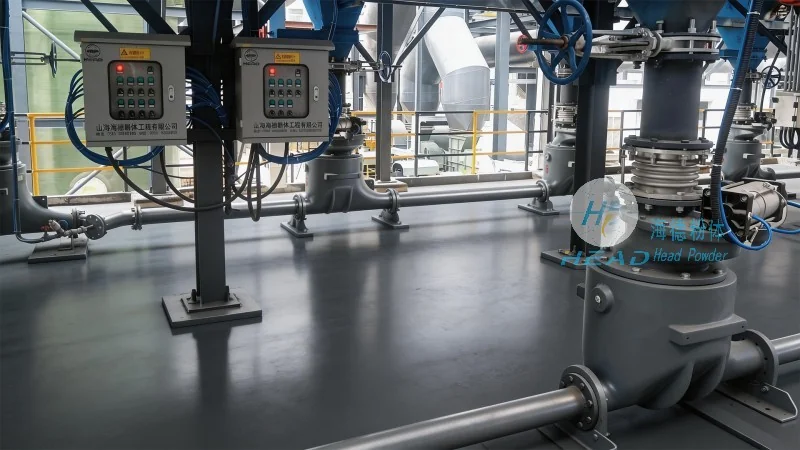
Implementing effective control and monitoring systems is vital for maintaining the stability and efficiency of the colored sand pneumatic conveying system. These systems typically include pressure sensors, flow meters, and level indicators that provide real-time data on the system's performance. Pressure sensors monitor the air pressure in the pipeline, ensuring it remains within the designed range to avoid excessive wear or system failure. Flow meters track the material flow rate, allowing operators to adjust the system parameters as needed. Level indicators in the hopper and receiver help in monitoring the material levels, preventing overfilling or underfilling, which can impact system efficiency and safety.
Installation and Maintenance Guidelines
Proper installation and regular maintenance are essential for the long-term performance and reliability of the colored sand pneumatic conveying system. During installation, all components must be properly aligned and secured to prevent vibrations and leaks. The pipeline should be checked for any potential obstructions or damage that could affect the system's operation. Regular maintenance includes cleaning the filter, inspecting the air compressor for wear, and checking the seals for any signs of leakage. Additionally, periodic system checks should be conducted to ensure all components are functioning within their specified parameters, extending the system's lifespan and minimizing downtime.
Conclusion
Designing a reasonable colored sand pneumatic conveying system requires a comprehensive approach that considers material characteristics, system layout, component selection, and operational requirements. By adhering to these guidelines and leveraging the expertise of companies like Shandong HeadPowder Engineering Co., Ltd., industries can achieve efficient, reliable, and cost-effective transport of colored sand, meeting their production needs while ensuring safety and sustainability.

 Công ty TNHH Kỹ thuật Công trình Bột Hải Đức Sơn Đông
 156-6277-7102(Quản lý Trương)
  0531-83386006
  Quận Chương Khâu, Thành phố Tế Nam, Tỉnh Sơn Đông, Trung Quốc
Điện thoại
WeChatTư vấn
Lên đầu