Công ty Hải Đức Bột với hơn 10 năm kinh nghiệm vận chuyển khí, cung cấp hệ thống‑thiết bị‑quạt gió và nhận dự án tổng thầu bột cả nước
When it comes to efficiently handling peanuts from the field to processing facilities, selecting the right conveying method is crucial for maintaining product quality and operational efficiency. Peanut conveying systems are designed to transport peanuts in various forms—whole peanuts, shelled kernels, or even peanut meal—across different stages of production. Among the most common and effective methods is pneumatic conveying, which uses air pressure to move materials through a system of pipes and ducts.
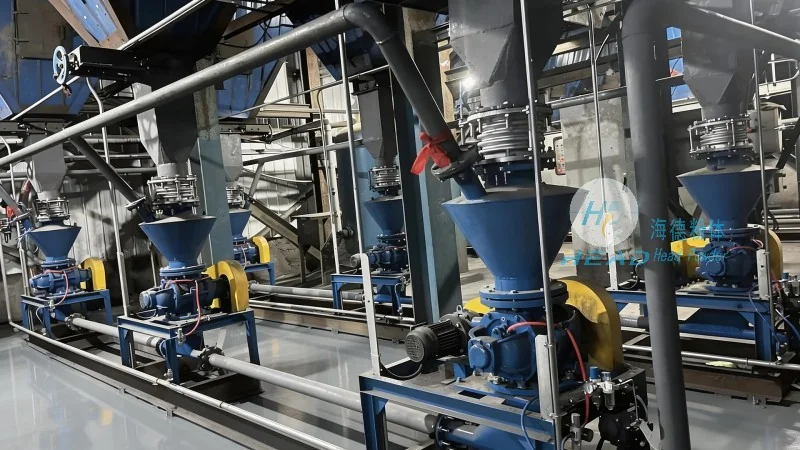
Pneumatic Conveying: The Core of Modern Peanut Handling
Pneumatic conveying, also known as air conveying, is a technology that utilizes compressed air to transport bulk materials like peanuts. This method offers several advantages over traditional mechanical conveyors, including reduced product damage, lower labor costs, and the ability to handle materials in enclosed systems, minimizing dust and contamination. The system typically consists of a hopper, a blower or compressor, and a series of pipes. As peanuts are fed into the hopper, air is introduced, creating a flow that carries the peanuts through the pipes to the destination point, such as a storage silo or processing unit.
Key Components of a Peanut Pneumatic Conveying System
Understanding the key components of a pneumatic conveying system helps in appreciating its functionality and efficiency. The primary components include:
Hopper: A container that holds the peanuts before they are conveyed. It is designed to feed the material into the system at a controlled rate, preventing overloading and ensuring consistent flow.
Blower or Compressor: This is the heart of the system, providing the necessary air pressure to move the peanuts. The choice between a blower and a compressor depends on the system's requirements, such as the distance and volume of material to be transported.
Pipes and Ducts: The network of pipes that carries the peanuts and air. The diameter and material of the pipes are critical, as they must withstand the pressure and prevent leakage or clogging.
Receiver or Discharge Point: The final destination where the peanuts are deposited. This can be a storage bin, a processing machine, or a packaging unit.
Advantages of Pneumatic Conveying for Peanuts
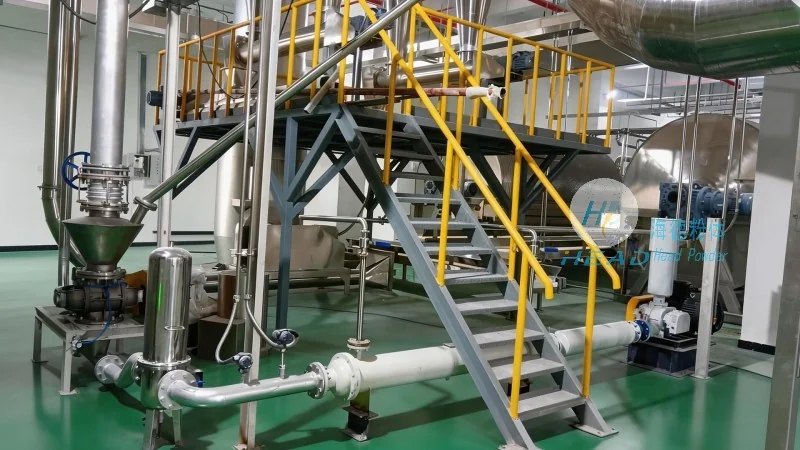
Implementing pneumatic conveying for peanut handling offers numerous benefits that make it a preferred choice in the industry. Some of the key advantages include:
Reduced Product Damage: Unlike mechanical conveyors that use belts or buckets, pneumatic systems use air to move peanuts, minimizing physical impact and preserving the quality of the product.
Lower Maintenance Costs: With fewer moving parts compared to mechanical systems, pneumatic conveyors require less maintenance, leading to lower operational costs over time.
Enclosed System: The enclosed nature of pneumatic conveying reduces dust and contamination, ensuring that the peanuts remain clean and free from external pollutants.
Flexibility in Layout: Pneumatic systems can be easily integrated into existing production layouts, allowing for flexible and scalable solutions that adapt to changing production needs.
Applications in Peanut Processing
Pneumatic conveying is widely used in various stages of peanut processing, from raw material handling to finished product packaging. For instance, after harvesting, peanuts are often cleaned and dried before being conveyed to a shelling machine. The shelled kernels are then transported to storage or further processing units using pneumatic systems. Additionally, in the production of peanut butter or other peanut-based products, pneumatic conveyors are used to move ingredients and finished products between processing equipment.
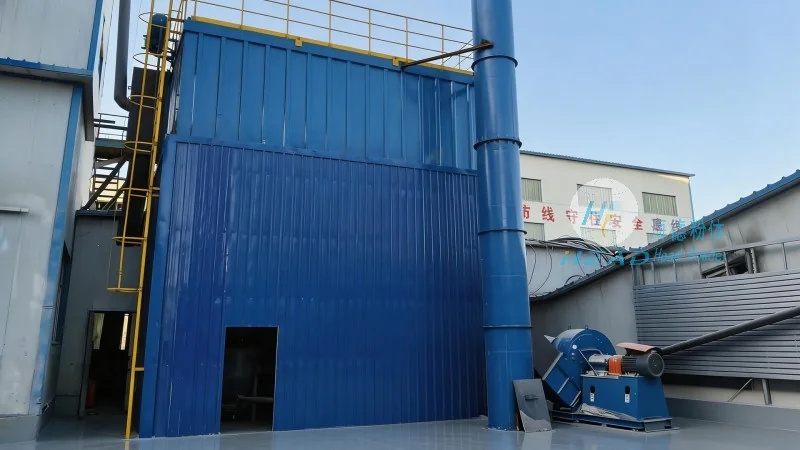
Considerations for Choosing a Peanut Conveying System
When selecting a pneumatic conveying system for peanuts, several factors should be considered to ensure optimal performance and efficiency. These include:
Material Characteristics: The size, shape, and moisture content of the peanuts will affect the system's design. For example, smaller peanuts may require different pipe diameters and air pressure settings compared to larger ones.
Transport Distance and Height: The distance and vertical height the peanuts need to be transported will determine the required air pressure and blower capacity.
System Capacity: The production volume and throughput requirements will dictate the size of the hopper, blower, and pipe network.
Environmental Regulations: Compliance with local regulations regarding dust control and air quality may influence the choice of system components and design.
Conclusion: The Role of Pneumatic Conveying in Peanut Industry
Pneumatic conveying has become an essential technology in the peanut industry, offering a reliable and efficient solution for transporting peanuts through various stages of processing. By leveraging compressed air to move materials, these systems enhance product quality, reduce operational costs, and improve overall productivity. As the demand for peanuts and peanut-based products continues to grow, the importance of effective conveying systems like pneumatic conveying will only increase, making it a critical component of modern peanut processing operations.

 Công ty TNHH Kỹ thuật Công trình Bột Hải Đức Sơn Đông
 156-6277-7102(Quản lý Trương)
  0531-83386006
  Quận Chương Khâu, Thành phố Tế Nam, Tỉnh Sơn Đông, Trung Quốc
Điện thoại
WeChatTư vấn
Lên đầu