Công ty Hải Đức Bột với hơn 10 năm kinh nghiệm vận chuyển khí, cung cấp hệ thống‑thiết bị‑quạt gió và nhận dự án tổng thầu bột cả nước
Tea processing involves multiple stages, from leaf collection to packaging, and efficient material handling is crucial for maintaining product quality and operational efficiency. Among the various methods used to transport tea, pneumatic conveying stands out as a sophisticated and versatile solution. This article explores common tea conveying methods, with a focus on the benefits and applications of pneumatic systems, while highlighting the expertise of Shandong HeadPowder Engineering Co., Ltd. in delivering tailored tea handling solutions.
Common Methods for Tea Handling
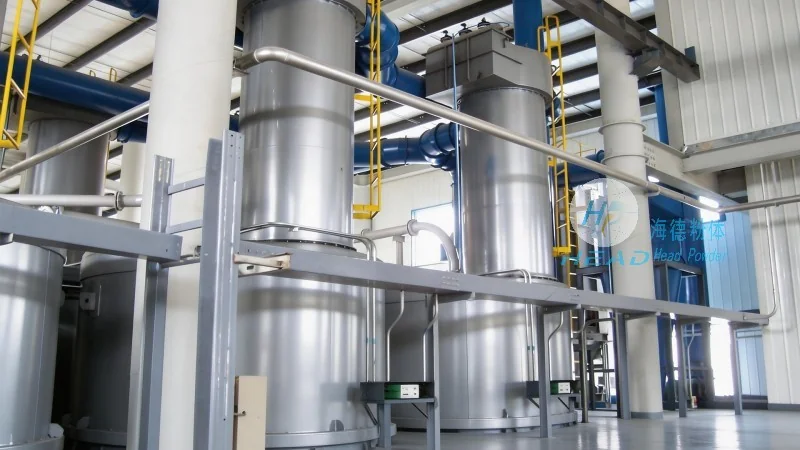
Traditional tea handling often relies on gravity-based systems, such as chutes and hoppers, which are suitable for short distances and low volumes. However, these methods may face limitations in complex production lines or when dealing with delicate tea leaves that require gentle handling. Mechanical conveyors, including belt and chain systems, offer more control but can introduce friction and potential damage to the leaves. In contrast, pneumatic conveying systems provide a non-contact, low-friction method that minimizes product degradation and ensures consistent quality.
Pneumatic Conveying Systems: A Detailed Overview
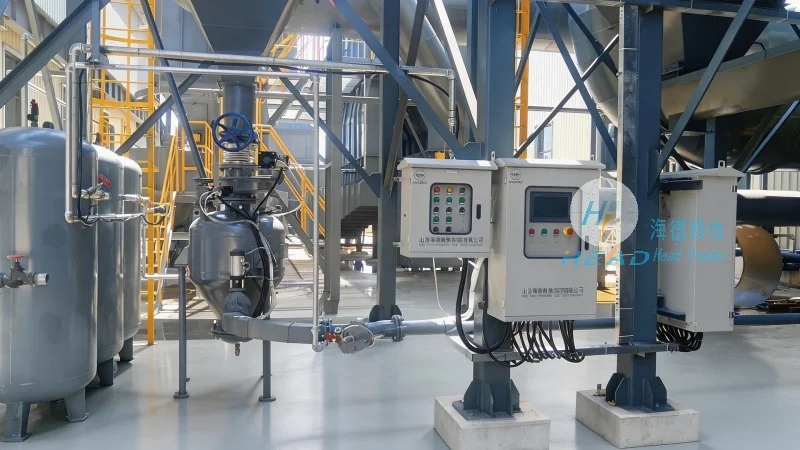
Pneumatic tea conveying systems utilize air or gas to transport loose tea leaves through a network of pipes. There are two primary types: pressure and vacuum systems. Pressure systems force air and tea particles through the pipeline using a positive pressure blower, while vacuum systems create a negative pressure to draw materials into the line. Both methods can be customized to handle different tea types, from green and black teas to oolong and white varieties, ensuring optimal performance for diverse processing needs.
Key Advantages of Pneumatic Tea Conveying
One of the most significant advantages of pneumatic conveying for tea is its ability to handle delicate leaves without crushing or bruising. The low friction and gentle movement of the system preserve the aroma and flavor characteristics of the tea, which is critical for maintaining consumer appeal. Additionally, pneumatic systems offer high throughput and can transport materials over long distances with minimal energy consumption compared to traditional mechanical methods. They also reduce labor costs by automating the material handling process and minimizing the need for manual intervention.
Application Scenarios in Tea Processing
Pneumatic conveying is widely used in various stages of tea processing. In the initial sorting and grading phase, it can transport raw leaves from harvest to processing facilities. During the withering and rolling stages, it helps move wet leaves to drying ovens or processing equipment. In the final packaging stage, it efficiently transfers finished tea bags or loose leaves to packaging lines. The flexibility of pneumatic systems allows them to integrate seamlessly with existing production lines, adapting to changes in production volume or tea types without major modifications.
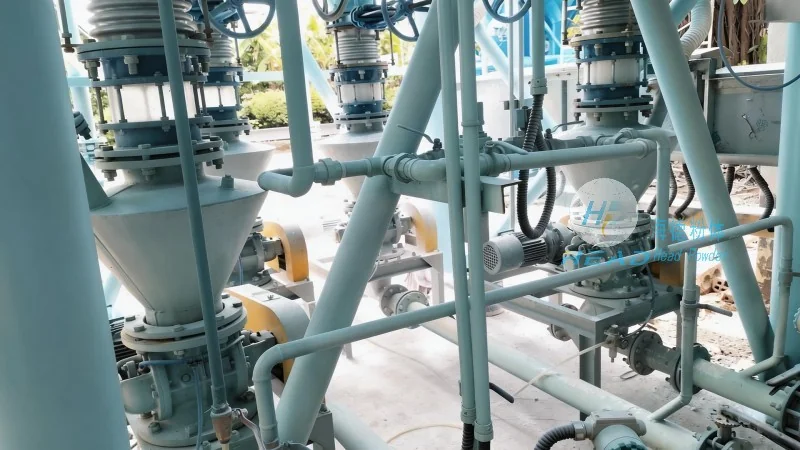
The Role of HeadPowder in Providing Pneumatic Conveying Solutions
Shandong HeadPowder Engineering Co., Ltd., operating under the brand name HeadPowder, specializes in designing and manufacturing advanced pneumatic conveying systems tailored to the tea industry. With years of experience in material handling solutions, HeadPowder understands the unique challenges of tea processing, such as preserving flavor and maintaining product integrity. The company’s engineers work closely with clients to assess their specific needs, from small-scale tea farms to large industrial processing plants, and develop customized systems that meet operational requirements and budget constraints. HeadPowder’s commitment to quality and innovation ensures that their pneumatic conveying solutions are reliable, efficient, and sustainable, contributing to the overall success of tea production operations.
Conclusion
In conclusion, pneumatic conveying systems represent a modern and effective approach to tea handling, offering numerous advantages over traditional methods. By leveraging the expertise of companies like Shandong HeadPowder Engineering Co., Ltd., tea producers can enhance their operational efficiency, maintain product quality, and meet the demands of a competitive market. As the tea industry continues to evolve, the adoption of advanced material handling technologies will remain essential for achieving optimal results and ensuring long-term success.

 Công ty TNHH Kỹ thuật Công trình Bột Hải Đức Sơn Đông
 156-6277-7102(Quản lý Trương)
  0531-83386006
  Quận Chương Khâu, Thành phố Tế Nam, Tỉnh Sơn Đông, Trung Quốc
Điện thoại
WeChatTư vấn
Lên đầu