Công ty Hải Đức Bột với hơn 10 năm kinh nghiệm vận chuyển khí, cung cấp hệ thống‑thiết bị‑quạt gió và nhận dự án tổng thầu bột cả nước
Lightweight cement, widely used in construction and industrial applications due to its reduced density and enhanced performance characteristics, requires efficient and reliable conveying methods to ensure smooth material handling. The choice of conveying system significantly impacts operational efficiency, material integrity, and overall project success. This article explores the various methods available for lightweight cement transportation, with a focus on the advantages and features of pneumatic conveying systems.
Introduction to Lightweight Cement Conveying Methods
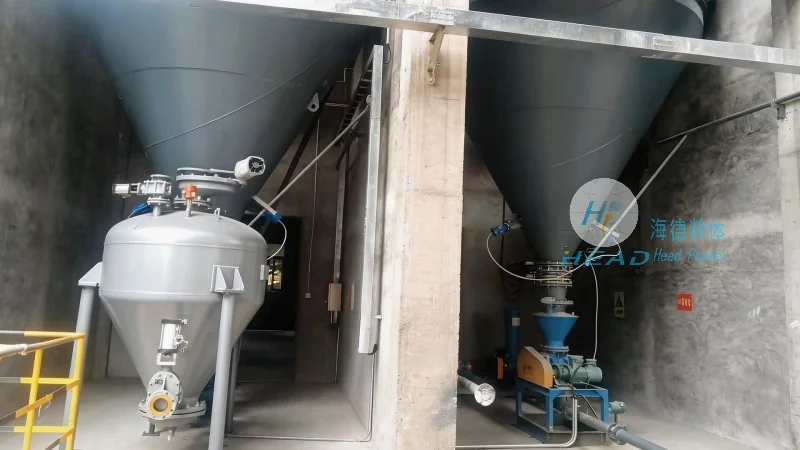
Conveying lightweight cement involves transporting materials from storage silos or production sites to processing equipment or construction sites. Traditional methods such as belt conveyors, screw conveyors, and bucket elevators have been widely used in the cement industry. However, these systems often face challenges when handling lightweight, powdery materials, including material segregation, high energy consumption, and increased maintenance requirements. Pneumatic conveying, particularly pressure and vacuum systems, has emerged as a preferred solution due to its ability to handle fine powders with minimal degradation and high throughput.
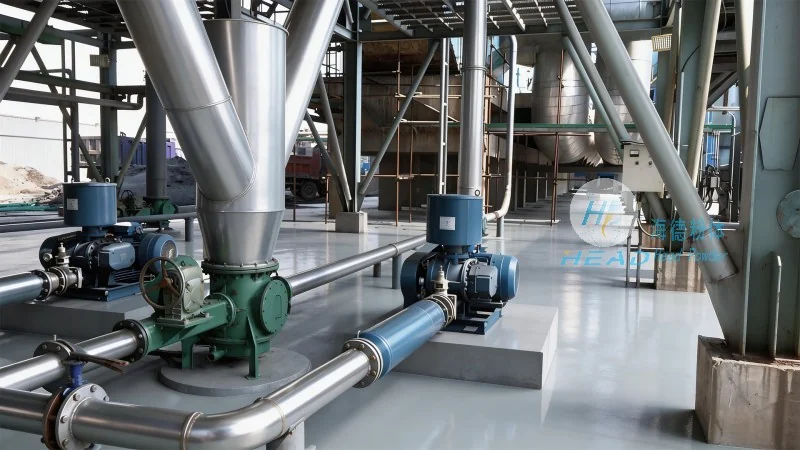
Overview of Pneumatic Conveying for Lightweight Cement
Pneumatic conveying utilizes air or gas to transport lightweight cement particles through a pipeline system. This method can be categorized into two main types: pressure conveying, where air is compressed and forced through the pipeline, and vacuum conveying, where a vacuum is created to draw material into the system. Both systems are designed to maintain material flow and prevent clogging, making them ideal for handling lightweight cement with low bulk density.
Advantages of Pneumatic Conveying Systems

One of the primary advantages of pneumatic conveying for lightweight cement is its ability to maintain material integrity. Unlike mechanical systems that may cause particle attrition or segregation, pneumatic systems minimize physical stress on the material, preserving its quality and performance. Additionally, pneumatic conveying offers high flexibility in system design, allowing for complex layouts and multiple delivery points without the need for extensive infrastructure modifications. This flexibility is particularly beneficial in construction sites where material needs to be delivered to various locations efficiently.
Key Features and Technical Specifications
Modern pneumatic conveying systems for lightweight cement are equipped with advanced features to enhance performance and reliability. These include variable speed drives for precise flow control, dust collection systems to ensure environmental compliance, and automated monitoring for real-time system status. Technical specifications such as material handling capacity, pipeline diameter, and air pressure requirements are tailored to the specific characteristics of lightweight cement, ensuring optimal operation. For example, systems designed for lightweight cement typically operate at lower air velocities to prevent material degradation while maintaining sufficient flow rates.
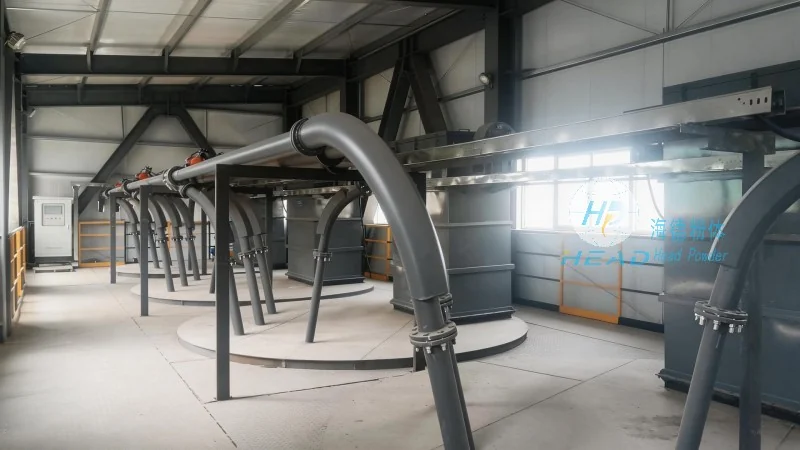
Application Scenarios and Operational Benefits
Pneumatic conveying is widely applied in various scenarios involving lightweight cement, including industrial production lines, construction projects, and material storage facilities. In industrial settings, these systems facilitate the seamless transfer of lightweight cement from grinding mills to storage silos or packaging units, reducing downtime and improving production efficiency. In construction sites, pneumatic conveyors enable the quick and safe delivery of lightweight cement to job sites, minimizing manual handling and associated risks. The operational benefits of pneumatic conveying include reduced labor costs, lower energy consumption compared to traditional mechanical systems, and improved safety due to enclosed material transport.
Company Profile and Contact Information
HeadPowder, a leading provider of engineering solutions for material handling, specializes in the design and implementation of pneumatic conveying systems for lightweight cement. With years of experience in the industry, HeadPowder has developed innovative solutions that address the unique challenges of handling lightweight, powdery materials. The company is headquartered in Shandong, China, and serves clients globally with customized systems that meet their specific operational needs. For more information about their products and services, please contact HeadPowder Engineering Co., Ltd., located in Shandong, China.

 Công ty TNHH Kỹ thuật Công trình Bột Hải Đức Sơn Đông
 156-6277-7102(Quản lý Trương)
  0531-83386006
  Quận Chương Khâu, Thành phố Tế Nam, Tỉnh Sơn Đông, Trung Quốc
Điện thoại
WeChatTư vấn
Lên đầu