Công ty Hải Đức Bột với hơn 10 năm kinh nghiệm vận chuyển khí, cung cấp hệ thống‑thiết bị‑quạt gió và nhận dự án tổng thầu bột cả nước
As a critical component in lithium-ion battery production, anode materials require efficient and reliable conveying systems to ensure smooth operations from raw material handling to processing. The choice of conveying method significantly impacts production efficiency, material quality, and overall operational costs. Among the various options available, pneumatic conveying stands out as a preferred solution for anode material transport due to its unique advantages and technical capabilities. This overview is provided by Shandong HeadPowder Engineering Co., Ltd., a leading provider of specialized engineering solutions for material handling in the battery industry.
Understanding Different Conveying Methods for Anode Materials
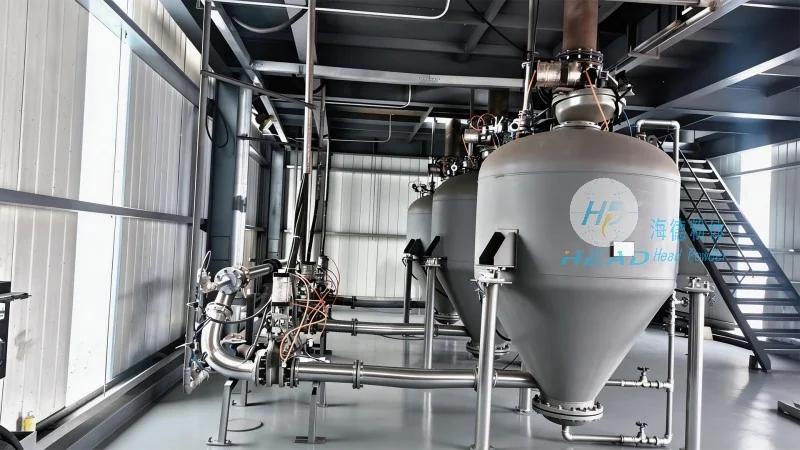
Conveying anode materials involves several approaches, each with distinct characteristics and applications. Traditional methods include gravity-based systems, mechanical conveyors like belt or screw conveyors, and more advanced pneumatic systems. Gravity conveyors rely on the material's weight to move it downward, which is suitable for short distances and low volumes but limited by the need for a slope. Mechanical conveyors, such as belt or screw conveyors, offer more control over speed and direction but may introduce friction and wear on the material, potentially affecting its quality. In contrast, pneumatic conveying uses air pressure to transport materials in a closed system, providing a flexible and efficient solution for various material types and process requirements.
The Advantages of Pneumatic Conveying for Anode Materials
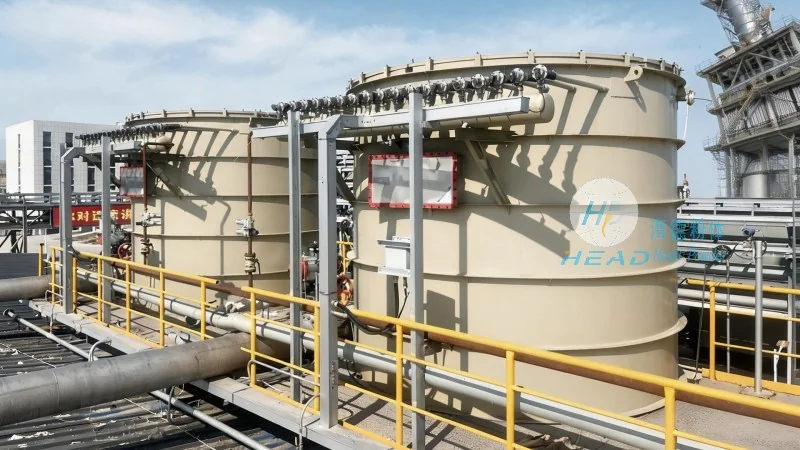
Pneumatic conveying for anode materials offers several key advantages that make it an ideal choice for modern battery manufacturing facilities. One of the primary benefits is its ability to handle a wide range of material properties, including powders, granules, and fine particles, without causing segregation or degradation. The enclosed system minimizes dust exposure, which is crucial for maintaining a clean and safe working environment in battery production. Additionally, pneumatic systems provide precise control over material flow rates and direction, enabling seamless integration with downstream processing equipment such as mixers, classifiers, and reactors.
Another significant advantage is the flexibility of pneumatic conveying systems. They can be easily adapted to different production scales and layouts, allowing for modular expansion as manufacturing capacity increases. The technology also supports long-distance transport, making it suitable for facilities with complex layouts or multiple processing stages. Furthermore, pneumatic systems are generally more energy-efficient compared to mechanical conveyors, as they utilize compressed air to move materials rather than relying on mechanical components that may require frequent maintenance and replacement.
Key Features of Pneumatic Conveying Systems for Anode Materials
When evaluating pneumatic conveying systems for anode materials, several key features contribute to their effectiveness and reliability. These include the type of air flow (positive or negative pressure), the design of the conveying lines (e.g., straight or looped), and the use of specialized components such as cyclones, filters, and material separators. Positive pressure systems use compressed air to push material through the system, while negative pressure systems use vacuum to pull material. The choice between these depends on the material's characteristics, the distance to be covered, and the overall system design. Cyclones and filters are essential for separating the conveyed material from the air stream, ensuring that the material remains intact and free from contamination. Material separators, such as rotary valves or rotary airlocks, control the flow of material into and out of the system, preventing backflow and maintaining consistent flow rates.
Advanced pneumatic conveying systems may also incorporate features like pressure regulation, temperature control, and real-time monitoring to optimize performance and prevent issues such as blockages or pressure spikes. These features enhance the system's reliability and reduce downtime, which is critical for maintaining production schedules in battery manufacturing. Additionally, the use of high-quality materials in the construction of conveying lines and components ensures durability and resistance to corrosion, which is important for handling anode materials that may be sensitive to moisture or other environmental factors.
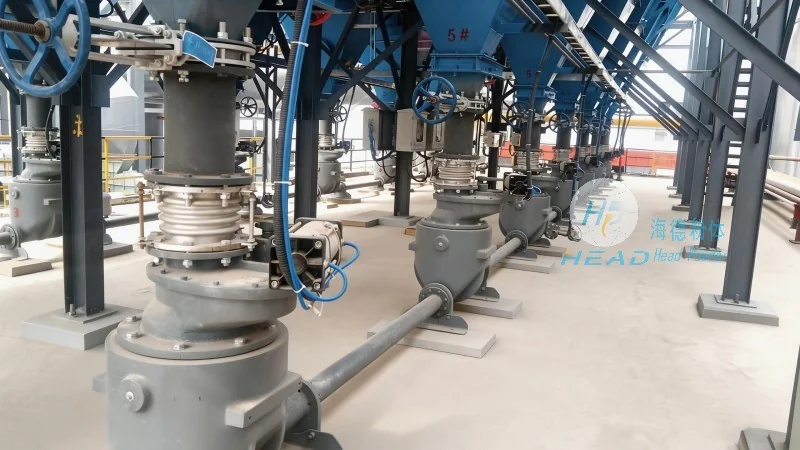
Conclusion: Choosing the Right Conveying Solution for Anode Materials
For manufacturers of anode materials, selecting the appropriate conveying method is a critical decision that impacts operational efficiency, material quality, and overall cost-effectiveness. While traditional methods like gravity and mechanical conveyors have their place, pneumatic conveying offers a superior solution for modern battery production. Its ability to handle diverse material types, maintain cleanliness, and provide flexible integration with processing equipment makes it a preferred choice. By understanding the advantages and features of pneumatic conveying systems, manufacturers can make informed decisions that enhance their production capabilities and ensure long-term success in the competitive battery industry. Shandong HeadPowder Engineering Co., Ltd. specializes in designing and implementing advanced pneumatic conveying systems tailored to the specific needs of anode material manufacturers, helping them optimize their operations and maintain a competitive edge.

 Công ty TNHH Kỹ thuật Công trình Bột Hải Đức Sơn Đông
 156-6277-7102(Quản lý Trương)
  0531-83386006
  Quận Chương Khâu, Thành phố Tế Nam, Tỉnh Sơn Đông, Trung Quốc
Điện thoại
WeChatTư vấn
Lên đầu