Công ty Hải Đức Bột với hơn 10 năm kinh nghiệm vận chuyển khí, cung cấp hệ thống‑thiết bị‑quạt gió và nhận dự án tổng thầu bột cả nước
Phosphate iron, a critical material in various industrial applications, requires efficient and reliable transport methods to ensure smooth production processes. This article provides a detailed comparison of common phosphate iron transport methods, highlighting their advantages, disadvantages, and suitable applications. The information is presented by Shandong HeadPowder Engineering Co., Ltd., a leading manufacturer based in China, with the company's full name being Shandong HeadPowder Engineering Co., Ltd. and the company's abbreviation as headpowder.
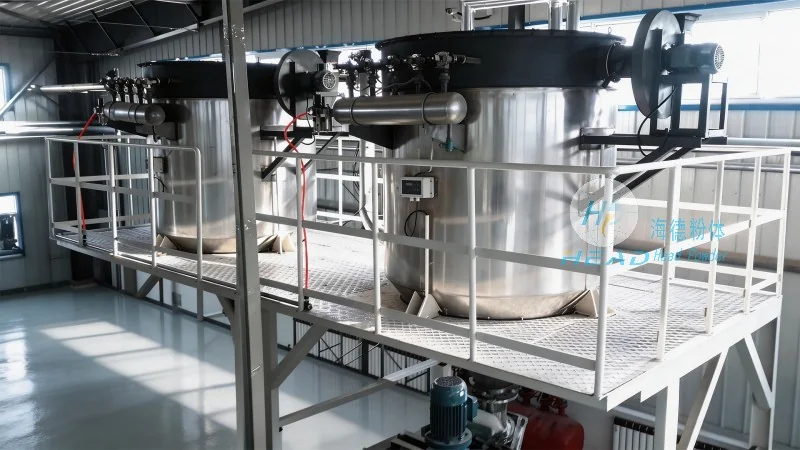
Overview of Phosphate Iron Transport Methods
Phosphate iron transport involves moving this material from storage or production areas to processing units. The choice of transport method depends on factors such as material properties, distance, flow rate requirements, and operational environment. Common methods include pipeline transport, pump-assisted transport, and gravity flow systems. Each method has distinct characteristics that make it suitable for specific scenarios.
Pipeline Transport for Phosphate Iron
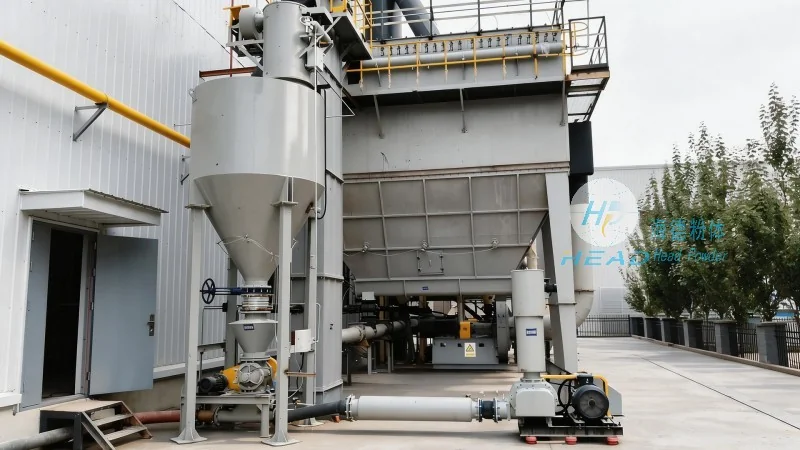
Pipeline transport is a widely used method for moving phosphate iron over long distances. This approach involves using closed pipes to convey the material, which helps maintain consistent pressure and temperature conditions. The system typically includes pumps, valves, and control mechanisms to regulate the flow. For headpowder, pipeline transport is often employed in large-scale industrial facilities where continuous and high-volume transport is required. The advantages of this method include reduced material exposure to the environment, lower labor costs for manual handling, and the ability to integrate with automated production lines. However, it requires significant initial investment in infrastructure and maintenance. The pipeline system must be designed to handle the abrasive nature of phosphate iron, which can cause wear and tear on components over time. Regular inspection and maintenance are essential to prevent leaks and ensure system reliability.
Pump-Assisted Transport Methods
Pump-assisted transport is another common approach, particularly when the material needs to be moved against gravity or over significant vertical distances. Pumps, such as centrifugal or positive displacement types, are used to generate the necessary pressure to move phosphate iron through pipelines. This method is versatile and can handle varying flow rates and pressures. In applications where headpowder processes phosphate iron for battery materials, pump-assisted systems are often used to transfer the material from reactors to storage tanks or processing units. The selection of pump type depends on the viscosity and solid content of the phosphate iron slurry. Centrifugal pumps are suitable for low to medium viscosity slurries, while positive displacement pumps are better for high-viscosity or high-solids content materials. The pump-assisted method offers flexibility in terms of flow control and can be integrated with monitoring systems to track pressure and flow rates in real-time. This helps in maintaining optimal operating conditions and preventing equipment damage.
Gravity Flow Systems for Phosphate Iron
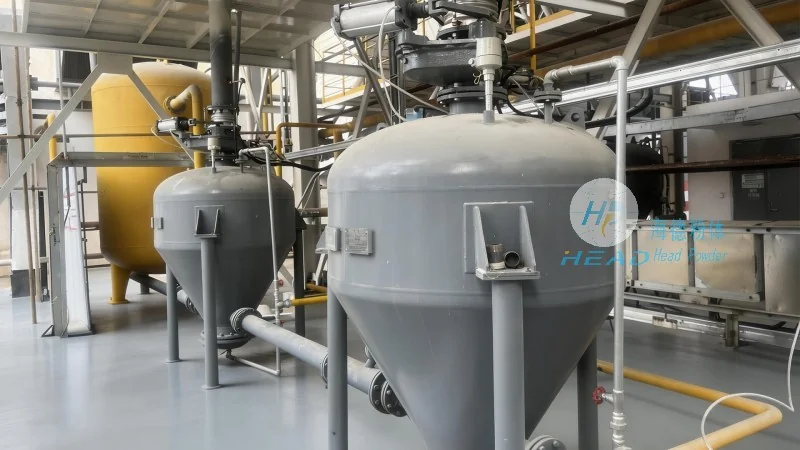
Gravity flow systems utilize the natural force of gravity to move phosphate iron from higher to lower elevations. This method is simple and cost-effective, as it does not require external power sources or complex machinery. It is particularly suitable for short-distance transport where the material can flow downhill without excessive pressure or velocity. In some headpowder operations, gravity flow is used for transporting phosphate iron from storage silos to processing lines, especially when the facility layout allows for a gentle slope. The advantages of gravity flow include low energy consumption and minimal maintenance requirements. However, it is limited by the need for a suitable topography and cannot be used for vertical or long horizontal distances. The flow rate in gravity systems is dependent on the slope of the pipeline and the viscosity of the phosphate iron. To ensure consistent flow, the pipeline must be properly sized and free from obstructions. Additionally, the material must be well-mixed to prevent sedimentation, which can lead to uneven flow and potential blockages.
Comparative Analysis of Transport Methods
When selecting a phosphate iron transport method, it is essential to evaluate the pros and cons of each option based on specific operational needs. Pipeline transport offers high efficiency and reliability for long-distance, high-volume applications but requires substantial investment. Pump-assisted systems provide flexibility and control, making them suitable for varied flow conditions, though they involve ongoing energy costs and maintenance. Gravity flow is economical and low-maintenance for short distances but is limited by topographical constraints. For headpowder, the choice often involves a combination of these methods to optimize performance and cost. For instance, a pipeline system may be used for primary transport, with pump-assisted or gravity flow segments integrated as needed. The decision also considers the material's properties, such as its density and particle size, which affect flow characteristics and equipment wear. By understanding these factors, industrial facilities can choose the most appropriate transport method to ensure efficient and safe handling of phosphate iron.
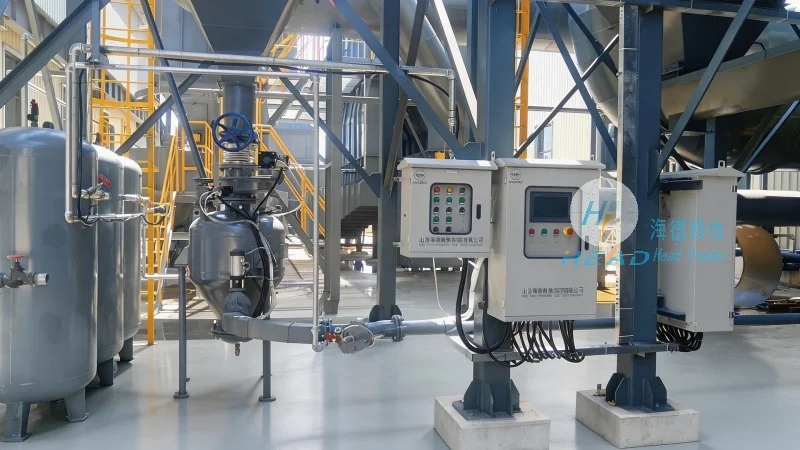
Conclusion
Efficient transport of phosphate iron is crucial for maintaining productivity and ensuring the quality of end products. The comparison of common transport methods—pipeline, pump-assisted, and gravity flow—highlights the importance of selecting the right approach based on specific operational requirements. Shandong HeadPowder Engineering Co., Ltd. specializes in providing tailored transport solutions that meet the unique needs of its clients. With a focus on reliability and performance, headpowder's expertise in phosphate iron handling ensures that industrial processes run smoothly and efficiently. The company's commitment to innovation and quality helps in optimizing transport systems, reducing downtime, and enhancing overall operational efficiency. As industrial demands evolve, the ability to adapt transport methods to changing conditions remains a key factor in successful phosphate iron processing.

 Công ty TNHH Kỹ thuật Công trình Bột Hải Đức Sơn Đông
 156-6277-7102(Quản lý Trương)
  0531-83386006
  Quận Chương Khâu, Thành phố Tế Nam, Tỉnh Sơn Đông, Trung Quốc
Điện thoại
WeChatTư vấn
Lên đầu