Công ty Hải Đức Bột với hơn 10 năm kinh nghiệm vận chuyển khí, cung cấp hệ thống‑thiết bị‑quạt gió và nhận dự án tổng thầu bột cả nước
When handling polypropylene (PP) materials in industrial settings, selecting the appropriate conveying method is crucial for efficiency, safety, and cost-effectiveness. Polypropylene is widely used due to its lightweight, chemical resistance, and versatility, but its properties also influence how it can be transported. This article provides a detailed comparison of common polypropylene conveying methods, focusing on their applications, advantages, and limitations. The information is presented by Shandong HeadPowder Engineering Co., Ltd., a leading provider of material handling solutions based in China.
Overview of Polypropylene and Conveying Challenges
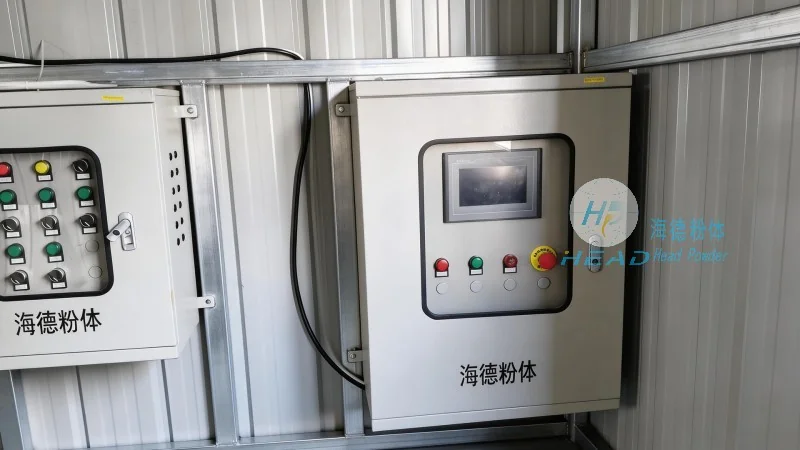
Polypropylene is a thermoplastic polymer that is commonly used in manufacturing, packaging, and construction. Its low density and smooth surface make it ideal for many applications, but these same properties can affect how it behaves during transport. For example, PP can be prone to static buildup, which may interfere with mechanical conveying systems. Additionally, its flexibility and tendency to cling to surfaces can complicate gravity-based systems. Understanding these challenges is essential for choosing the right conveying method for a specific process.
Common Polypropylene Conveying Methods
1. Gravity Conveying Systems
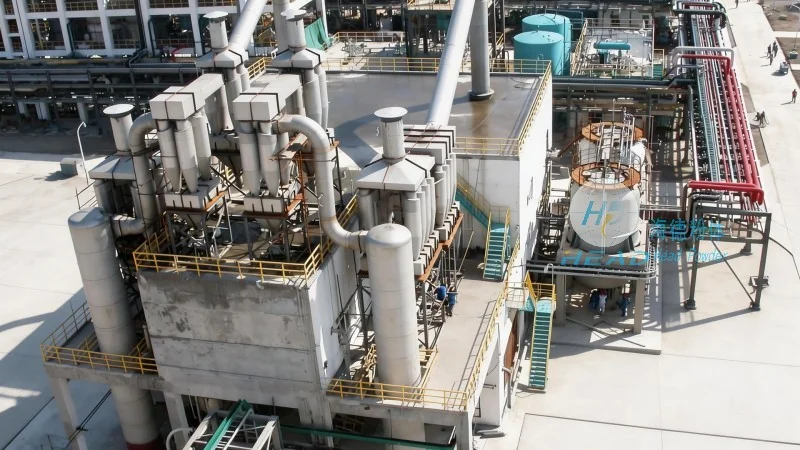
Gravity conveying relies on the natural force of gravity to move polypropylene materials from one point to another. This method is often used for short distances and when the material is relatively free-flowing. In gravity systems, the polypropylene is typically placed on a sloped conveyor or chute, allowing it to slide down to the next stage of the process. For polypropylene, gravity conveying is suitable for small particles or pellets that are not overly sticky. The primary advantage of this method is its low cost and simplicity, as it requires minimal energy and maintenance. However, it is limited by the need for a suitable slope and may not be effective for larger or bulkier PP materials. Shandong HeadPowder Engineering Co., Ltd. has experience in designing gravity conveyors tailored to the specific characteristics of polypropylene, ensuring efficient and reliable transport.
2. Mechanical Conveying Systems
Mechanical conveying systems use machinery to move polypropylene materials, offering greater control and flexibility compared to gravity methods. Common types include screw conveyors, belt conveyors, and pneumatic conveying systems. Screw conveyors are particularly effective for polypropylene pellets, as they can handle dry, free-flowing materials without the need for additional lubrication. The screw mechanism pushes the material forward, making it suitable for vertical or horizontal transport. Belt conveyors are another option, especially for larger PP pieces or when a continuous flow is required. They are often used in packaging lines or material transfer between different equipment. Pneumatic conveying systems use air or gas to transport polypropylene particles through a pipeline. This method is ideal for fine powders or pellets that are difficult to handle mechanically. However, it requires careful consideration of air pressure and flow rates to prevent material degradation or blockages. HeadPowder specializes in mechanical conveying solutions that optimize performance for polypropylene, ensuring consistent and efficient material transfer.
3. Air-Driven Conveying (Pneumatic Conveying)
Pneumatic conveying is a specialized form of mechanical conveying that uses compressed air to move polypropylene materials. This method is particularly useful for transporting fine powders or pellets that are prone to static or caking. The system typically consists of a hopper, a blower, and a pipeline network. The polypropylene is drawn into the pipeline by the air flow, and it is transported to the destination. Pneumatic conveying offers advantages such as the ability to handle long distances and multiple destinations from a single source. However, it requires more energy than gravity or mechanical systems and may be less efficient for bulk materials. Shandong HeadPowder Engineering Co., Ltd. has expertise in designing pneumatic conveying systems that are tailored to the unique properties of polypropylene, ensuring reliable and efficient transport.
4. Vibratory Conveying Systems
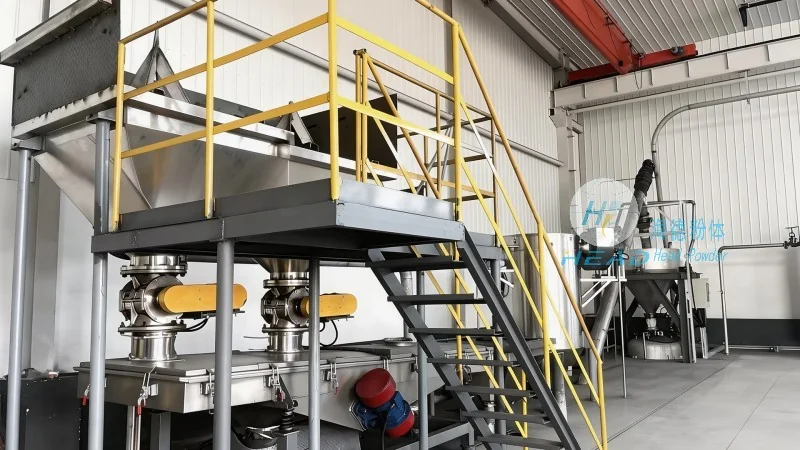
Vibratory conveying uses vibration to move polypropylene materials along a conveyor bed. The conveyor is equipped with an oscillating motor that creates a gentle vibration, causing the material to move forward. This method is effective for handling sticky or cohesive polypropylene, as the vibration helps break up clumps and prevent material buildup. Vibratory conveyors are often used in processes where the material needs to be mixed or sorted before further processing. They are also suitable for vertical transport, as the vibration helps keep the material in motion. The main advantage of vibratory conveying is its ability to handle a wide range of PP materials, including those with high moisture content or abrasive properties. However, it may require more maintenance than other systems due to the moving parts involved. HeadPowder provides custom vibratory conveying solutions that address the specific challenges of polypropylene handling.
Comparative Analysis of Conveying Methods
When selecting a polypropylene conveying method, several factors must be considered, including the material's characteristics, the distance to be covered, the required throughput, and the available budget. Gravity conveying is the most economical option for short distances and free-flowing materials, but it is limited by the need for a suitable slope. Mechanical conveyors, such as screw or belt systems, offer greater control and are suitable for a wider range of applications, including vertical transport. Pneumatic conveying is ideal for fine powders or when multiple destinations are needed, but it requires more energy. Vibratory conveyors are effective for sticky or cohesive materials but may need more maintenance. Shandong HeadPowder Engineering Co., Ltd. helps clients evaluate these factors and choose the most appropriate conveying method for their specific needs, ensuring optimal performance and cost-effectiveness.
Conclusion
Choosing the right polypropylene conveying method is essential for maintaining efficiency and safety in industrial operations. Each method has its own advantages and limitations, and the best choice depends on the specific requirements of the process. By understanding the properties of polypropylene and the capabilities of different conveying systems, companies can select the most suitable solution. Shandong HeadPowder Engineering Co., Ltd. offers expert guidance and customized solutions to help clients achieve efficient and reliable polypropylene transport, supporting their overall operational goals.

 Công ty TNHH Kỹ thuật Công trình Bột Hải Đức Sơn Đông
 156-6277-7102(Quản lý Trương)
  0531-83386006
  Quận Chương Khâu, Thành phố Tế Nam, Tỉnh Sơn Đông, Trung Quốc
Điện thoại
WeChatTư vấn
Lên đầu