Công ty Hải Đức Bột với hơn 10 năm kinh nghiệm vận chuyển khí, cung cấp hệ thống‑thiết bị‑quạt gió và nhận dự án tổng thầu bột cả nước
When it comes to handling ceramic powders, selecting the right pneumatic conveying system is crucial for ensuring efficiency, reliability, and cost-effectiveness. Shandong HeadPowder Engineering Co., Ltd., a leading provider in the field, specializes in developing tailored solutions that meet the unique demands of ceramic powder processing. Based in Shandong, China, headpowder leverages extensive industry experience to design systems that optimize material flow, minimize downtime, and enhance overall operational performance.
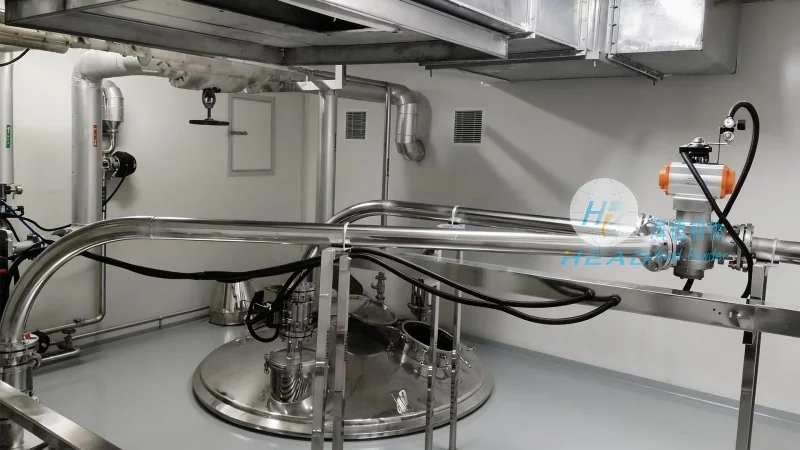
Understanding the Core Components of Ceramic Powder Pneumatic Conveying Systems
A well-designed ceramic powder pneumatic conveying system typically consists of several key components, each playing a vital role in the material transport process. The primary elements include the feed hopper or feeder, which controls the material flow into the system; the conveying pipeline, which transports the powder; the air supply system, responsible for generating the necessary pressure or vacuum; and the separation and collection equipment, which ensures clean material delivery and air filtration. Each component must be carefully selected and integrated to achieve the desired conveying efficiency and system reliability.
Key Factors Influencing System Design for Ceramic Powders
The design of a ceramic powder pneumatic conveying system is heavily influenced by several factors related to the material properties and operational requirements. First, the physical characteristics of the ceramic powder, such as particle size distribution, density, and flowability, directly impact the system's performance. For instance, fine or cohesive powders may require specialized feeders and higher air velocities to prevent blockages. Second, the required conveying distance and capacity dictate the system's pressure requirements and the type of conveying method (positive pressure or negative pressure). Positive pressure systems, which use compressed air to push the material, are often preferred for long-distance or high-capacity applications, while negative pressure systems, which use vacuum to pull the material, are suitable for shorter distances or when material is being transferred from multiple sources.
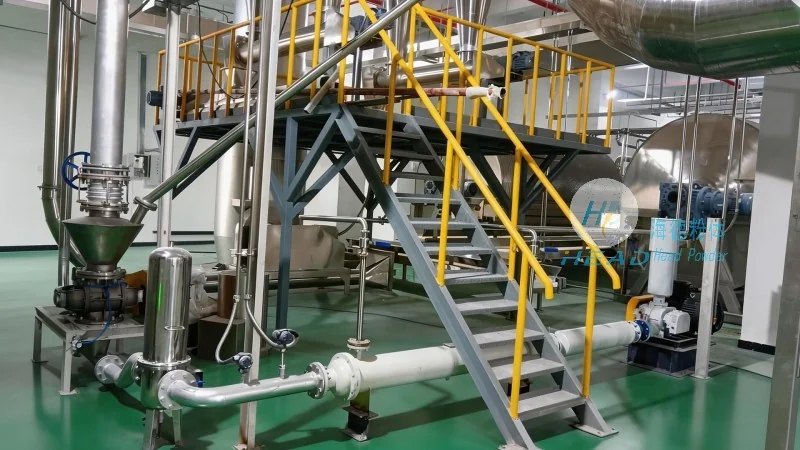
System Design Process: From Analysis to Implementation
The design process for a ceramic powder pneumatic conveying system involves a systematic approach that ensures all operational and safety requirements are met. The first step is a thorough analysis of the material and process specifications, including the powder's characteristics, the desired conveying rate, and the layout of the facility. This information is used to determine the appropriate conveying method and system configuration. Next, the system components are selected based on performance criteria, such as the required air flow rate, pressure, and material handling capacity. The pipeline layout is then designed to minimize pressure losses and ensure smooth material flow, taking into account factors like bends, elbows, and expansion joints. Finally, the system is tested and optimized to verify its performance and make any necessary adjustments before full-scale implementation.
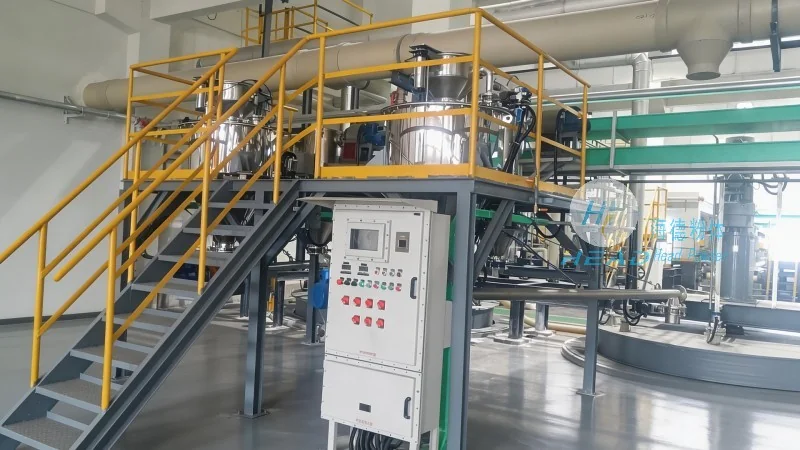
Equipment Selection and Optimization for Ceramic Powder Handling
Choosing the right equipment is critical to the success of a ceramic powder pneumatic conveying system. The feed hopper or feeder is a key component that must be matched to the powder's flow characteristics. For free-flowing powders, a simple rotary valve or screw feeder may suffice, while cohesive or fine powders may require a more advanced feeder, such as a rotary airlock or a vibratory feeder, to ensure consistent material discharge. The conveying pipeline is typically made of materials like stainless steel or plastic, selected based on the powder's corrosiveness and the system's pressure rating. The air supply system, which may include a blower or compressor, must be sized to provide the necessary pressure and flow rate to move the material efficiently. Additionally, the separation and collection equipment, such as cyclones or bag filters, are essential for removing dust and ensuring the material is delivered in a clean, dry state.
Ensuring System Reliability and Maintenance
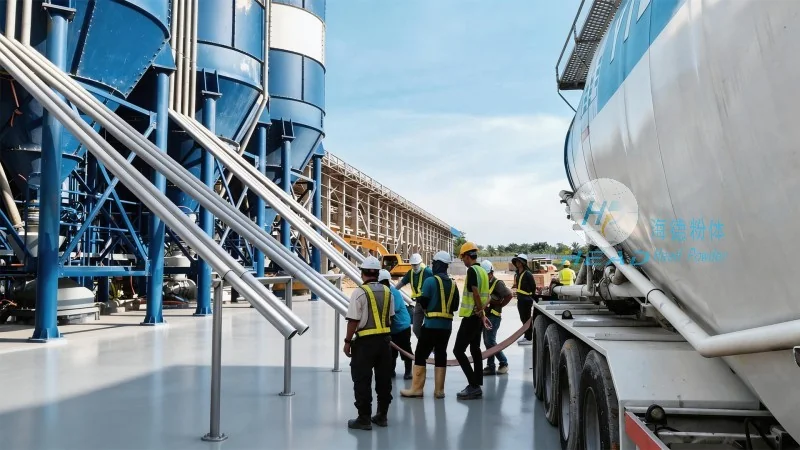
To maintain the efficiency and longevity of a ceramic powder pneumatic conveying system, regular maintenance and proper operation are essential. The system should be designed with features that facilitate easy access for cleaning and maintenance, such as removable sections and quick-release fittings. Regular checks of the air supply system, pipeline integrity, and component wear are necessary to prevent issues like blockages or pressure drops. Additionally, monitoring the system's performance parameters, such as air flow rate and pressure, can help identify potential problems early and allow for timely adjustments. By implementing a proactive maintenance plan, users can minimize downtime and extend the life of their ceramic powder pneumatic conveying system.
Conclusion: Partnering with HeadPowder for Expert Solutions
Designing a reliable and efficient ceramic powder pneumatic conveying system requires a deep understanding of material properties, system dynamics, and operational requirements. Shandong HeadPowder Engineering Co., Ltd. offers comprehensive design and engineering services tailored to the specific needs of ceramic powder processing facilities. With a focus on quality, efficiency, and customer satisfaction, headpowder provides customized solutions that enhance material handling performance and reduce operational costs. By leveraging their expertise and experience, businesses can achieve optimal results in ceramic powder transport and processing.

 Công ty TNHH Kỹ thuật Công trình Bột Hải Đức Sơn Đông
 156-6277-7102(Quản lý Trương)
  0531-83386006
  Quận Chương Khâu, Thành phố Tế Nam, Tỉnh Sơn Đông, Trung Quốc
Điện thoại
WeChatTư vấn
Lên đầu