Công ty Hải Đức Bột với hơn 10 năm kinh nghiệm vận chuyển khí, cung cấp hệ thống‑thiết bị‑quạt gió và nhận dự án tổng thầu bột cả nước
When it comes to the efficient and reliable transportation of flour, a well-designed pneumatic conveying system is crucial. As a leading provider in the industry, Shandong HeadPowder Engineering Co., Ltd. specializes in creating tailored solutions that meet the specific needs of flour processing facilities. This article outlines the key considerations and steps involved in designing a reasonable flour pneumatic conveying system, ensuring optimal performance and longevity.
Understanding the Core Components of a Flour Pneumatic Conveying System
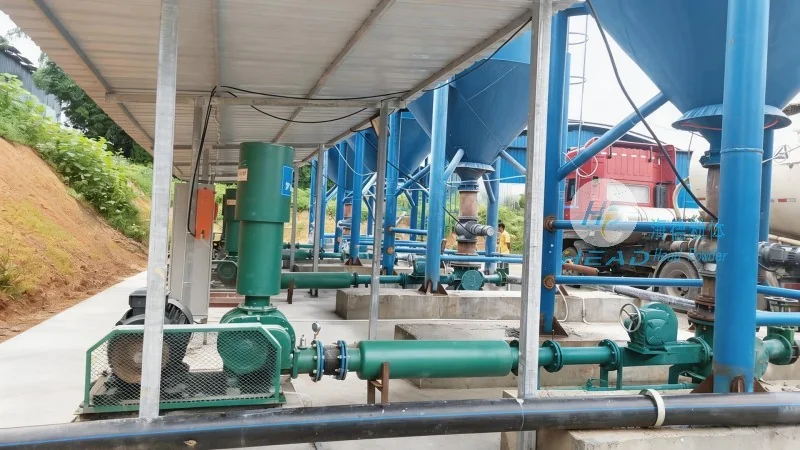
A flour pneumatic conveying system typically consists of several essential components that work in harmony to transport flour from one location to another. The primary elements include a feeder (such as a rotary valve or a pressure feeder), a conveying line (usually made of stainless steel or plastic), a separator (to separate air and flour), and a vacuum or pressure source (like a fan or blower). Each component plays a vital role in the overall efficiency of the system.
Choosing the Right Pneumatic Conveying Type for Flour
There are two main types of pneumatic conveying systems used for flour: positive pressure and negative pressure. The choice between these systems depends on factors such as the distance of transport, the volume of flour to be moved, and the specific requirements of the facility. Positive pressure systems use a blower to push flour through the system, making them suitable for longer distances and higher volumes. Negative pressure systems, on the other hand, use a vacuum to draw flour into the system, which is ideal for shorter distances and when the system is integrated with other processes.
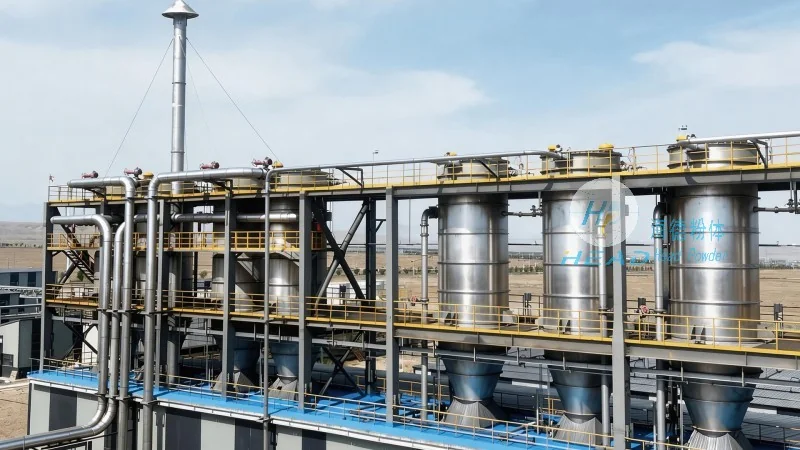
Step-by-Step Design Process for a Flour Pneumatic Conveying System
Designing a flour pneumatic conveying system requires a systematic approach to ensure that all aspects are considered. The following steps provide a comprehensive guide to the process:
Define the System Requirements: Begin by identifying the specific needs of the facility, including the volume of flour to be conveyed, the distance between the source and destination, and any environmental or safety constraints. This information will guide the selection of the appropriate system type and components.
Calculate the Required Airflow and Pressure: Based on the system requirements, calculate the necessary airflow rate and pressure. This involves determining the specific gravity of the flour, the conveying distance, and the friction losses in the system. Accurate calculations are essential to ensure that the system operates efficiently without excessive energy consumption.
Select the Feeder and Separator: Choose a suitable feeder that can handle the bulk density and flow characteristics of the flour. Rotary valves are commonly used for positive pressure systems, while pressure feeders are preferred for negative pressure systems. The separator must be capable of effectively separating the flour from the air, minimizing product loss and maintaining product quality.
Design the Conveying Line: The conveying line should be sized appropriately to handle the airflow and pressure requirements. Stainless steel is often preferred for its corrosion resistance and durability, especially when dealing with flour that may contain moisture or other contaminants. The line should be properly supported and sealed to prevent air leakage and product spillage.
Integrate the Air Source: Select a fan or blower that can provide the required airflow and pressure. The air source should be matched to the system's needs to avoid over or under-performance. Regular maintenance of the air source is also important to ensure long-term reliability.
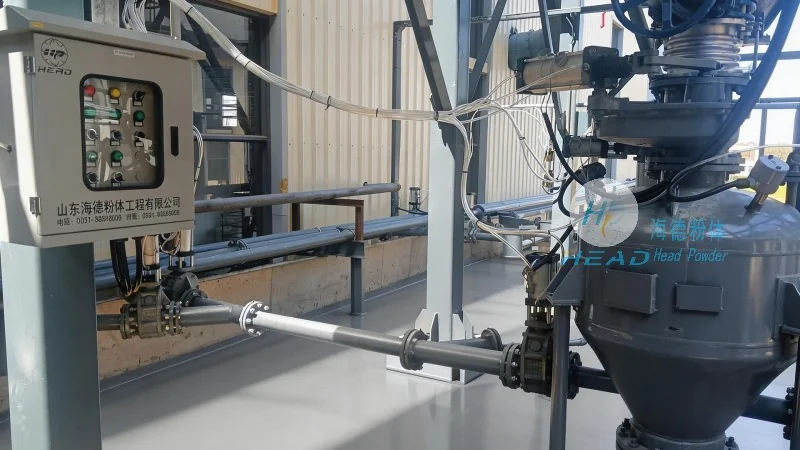
Test and Optimize the System: After installation, conduct thorough testing to verify that the system meets all performance criteria. Adjustments may be necessary to optimize airflow, pressure, and overall efficiency. Continuous monitoring and maintenance are key to ensuring the system operates at peak performance.
Key Considerations for Optimal Performance and Longevity
Several factors contribute to the optimal performance and longevity of a flour pneumatic conveying system. Regular maintenance of all components is essential to prevent wear and tear, which can lead to increased energy consumption and reduced efficiency. Additionally, using high-quality materials and components can extend the system's lifespan and minimize the risk of product contamination. Proper training for operators on the system's operation and maintenance is also crucial for ensuring safe and efficient operation.
Conclusion
Designing a reasonable flour pneumatic conveying system requires careful consideration of various factors, including system type, component selection, and operational requirements. By following a systematic approach and leveraging the expertise of a reputable provider like Shandong HeadPowder Engineering Co., Ltd., facilities can achieve efficient and reliable flour transportation. Investing in a well-designed system not only improves operational efficiency but also enhances product quality and safety.

 Công ty TNHH Kỹ thuật Công trình Bột Hải Đức Sơn Đông
 156-6277-7102(Quản lý Trương)
  0531-83386006
  Quận Chương Khâu, Thành phố Tế Nam, Tỉnh Sơn Đông, Trung Quốc
Điện thoại
WeChatTư vấn
Lên đầu