Công ty Hải Đức Bột với hơn 10 năm kinh nghiệm vận chuyển khí, cung cấp hệ thống‑thiết bị‑quạt gió và nhận dự án tổng thầu bột cả nước
Designing an efficient and reliable powdered medicine pneumatic conveying system is crucial for pharmaceutical manufacturers to ensure product quality, maintain compliance with industry standards, and optimize operational efficiency. A well-designed system not only enhances the safety and integrity of the medication but also reduces downtime and maintenance costs. This article provides a comprehensive guide on the key considerations and steps involved in designing a reasonable powdered medicine pneumatic conveying system, with insights from Shandong HeadPowder Engineering Co., Ltd., a leading provider in the field.
Understanding the Core Principles of Pneumatic Conveying for Powdered Medicines
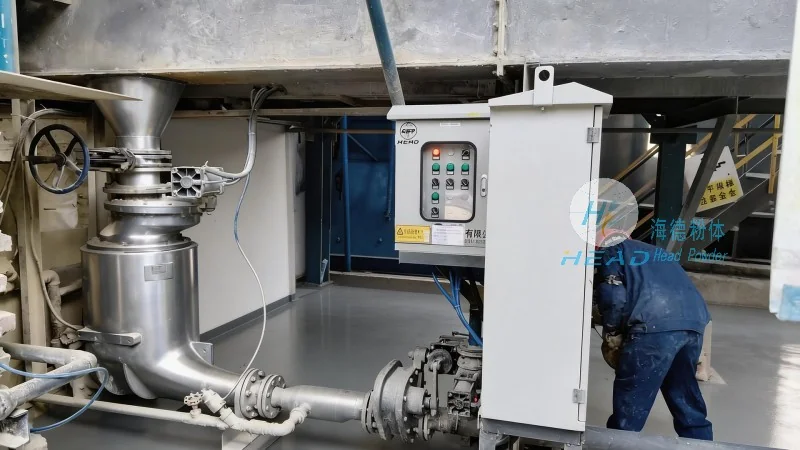
Pneumatic conveying systems transport bulk powders using air or other gases as the medium. For powdered medicines, the design must prioritize factors such as particle size, density, moisture content, and the potential for dust explosion. These characteristics directly influence the choice of conveying method—either positive pressure (pressure conveying) or negative pressure (vacuum conveying). Positive pressure systems are typically preferred for high-capacity applications and long-distance transport, as they offer better control over the flow and can handle abrasive or sticky powders. Negative pressure systems, on the other hand, are suitable for short distances and applications requiring gentle handling, minimizing product degradation.
Key Design Steps for a Reliable Powdered Medicine Pneumatic Conveying System
The design process begins with a thorough analysis of the material properties and the specific requirements of the pharmaceutical production line. This includes determining the required conveying capacity, the distance between the source and destination, and the environmental conditions where the system will operate. A critical step is selecting the appropriate conveying type based on the material characteristics and operational needs. Shandong HeadPowder Engineering Co., Ltd. emphasizes the importance of conducting a material analysis to ensure the chosen system can handle the unique challenges of powdered medicines, such as preventing agglomeration or ensuring consistent flow rates.
Equipment Selection: Components for a Robust System
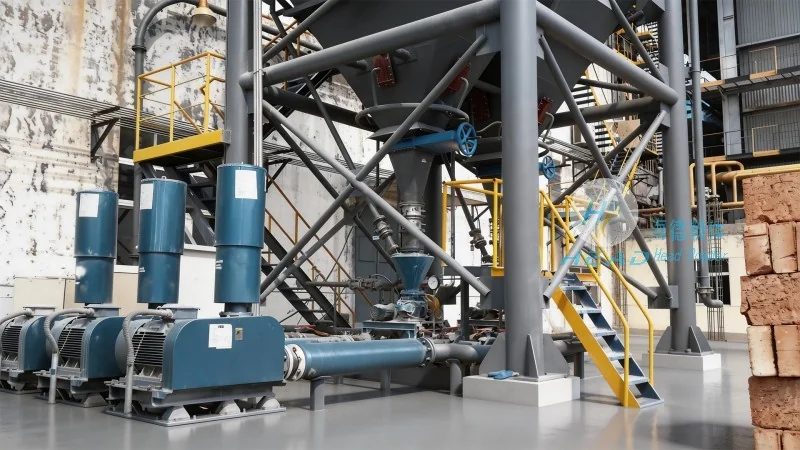
Several key components are essential for a functional powdered medicine pneumatic conveying system. The first is the feeder, which is responsible for feeding the powder into the conveying line. For pharmaceutical powders, a rotary valve or a loss-in-weight feeder is commonly used to provide a controlled and consistent feed rate, preventing overloading or underfeeding. The next component is the conveying line, which can be made of stainless steel or other corrosion-resistant materials to meet sanitary standards. The choice of pipe diameter and length is critical, as it affects the air velocity and pressure drop, which in turn impacts the system's efficiency. The system also includes a separator or cyclone to separate the powder from the air at the receiving end. This component is designed to minimize product loss and ensure that the powder is collected efficiently. Additionally, a filter system is necessary to capture any fine particles and prevent dust from escaping into the environment, maintaining compliance with environmental regulations.
System Sizing and Pressure Considerations
Proper system sizing is essential to ensure that the pneumatic conveying system operates within its optimal range. This involves calculating the required air volume and pressure based on the material's flow properties and the system's layout. The air velocity must be high enough to keep the powder particles suspended but not so high as to cause excessive wear on the equipment or degrade the product. Shandong HeadPowder Engineering Co., Ltd. uses advanced software and engineering expertise to perform these calculations accurately, ensuring that the system is neither under- nor over-designed. The pressure drop across the system is another critical factor, as it affects the energy consumption and the overall efficiency of the operation. By optimizing the system's pressure and air flow, manufacturers can reduce operational costs and improve the system's longevity.
Integration with Pharmaceutical Production Lines
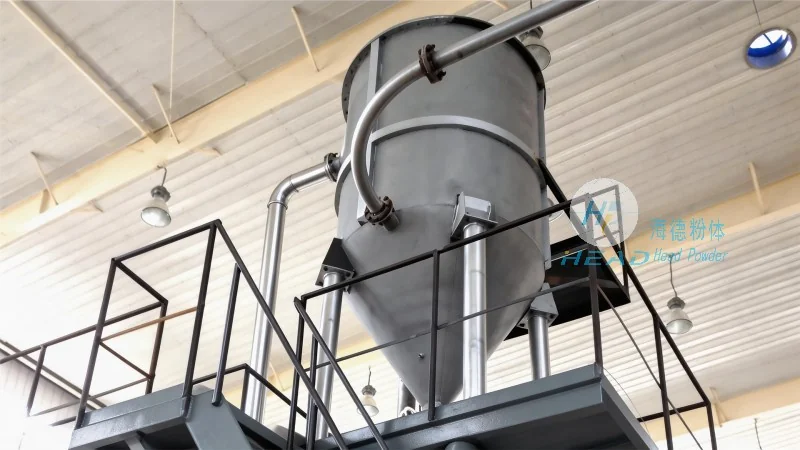
A powdered medicine pneumatic conveying system must be seamlessly integrated with the existing pharmaceutical production line to ensure smooth operation and minimal disruption. This includes coordinating with other equipment such as mixers, blenders, and packaging machines. The system should be designed to allow for easy maintenance and cleaning, as per GMP (Good Manufacturing Practice) standards. Shandong HeadPowder Engineering Co., Ltd. specializes in providing customized solutions that fit the specific needs of pharmaceutical manufacturers, ensuring that the system is not only efficient but also compliant with all regulatory requirements.
Maintenance and Troubleshooting for Long-Term Reliability
To ensure the long-term reliability of a powdered medicine pneumatic conveying system, regular maintenance is essential. This includes inspecting the feeder for wear and tear, cleaning the conveying line and separator to prevent clogging, and checking the filter system for blockages. Shandong HeadPowder Engineering Co., Ltd. offers comprehensive maintenance services and technical support to help manufacturers keep their systems running smoothly. In case of any issues, such as reduced conveying capacity or increased pressure drop, the system should be inspected for potential problems, such as clogged pipes or worn-out components. By addressing these issues promptly, manufacturers can minimize downtime and maintain product quality.
Conclusion: Partnering with Experts for Optimal System Design
Designing a reasonable powdered medicine pneumatic conveying system requires a deep understanding of both the material properties and the operational requirements of the pharmaceutical industry. By following the key steps outlined above and partnering with a reputable company like Shandong HeadPowder Engineering Co., Ltd., manufacturers can ensure that their system is efficient, reliable, and compliant with all industry standards. With the right design and maintenance, a pneumatic conveying system can significantly improve the productivity and safety of pharmaceutical production lines, contributing to the overall success of the manufacturing process.

 Công ty TNHH Kỹ thuật Công trình Bột Hải Đức Sơn Đông
 156-6277-7102(Quản lý Trương)
  0531-83386006
  Quận Chương Khâu, Thành phố Tế Nam, Tỉnh Sơn Đông, Trung Quốc
Điện thoại
WeChatTư vấn
Lên đầu