Công ty Hải Đức Bột với hơn 10 năm kinh nghiệm vận chuyển khí, cung cấp hệ thống‑thiết bị‑quạt gió và nhận dự án tổng thầu bột cả nước
Designing an efficient and reliable silica sand pneumatic conveying system is crucial for industries dealing with this abrasive material. A well-planned system ensures optimal performance, minimal maintenance, and cost-effectiveness. This article outlines key considerations and steps for developing a comprehensive plan tailored to the specific needs of silica sand handling operations.
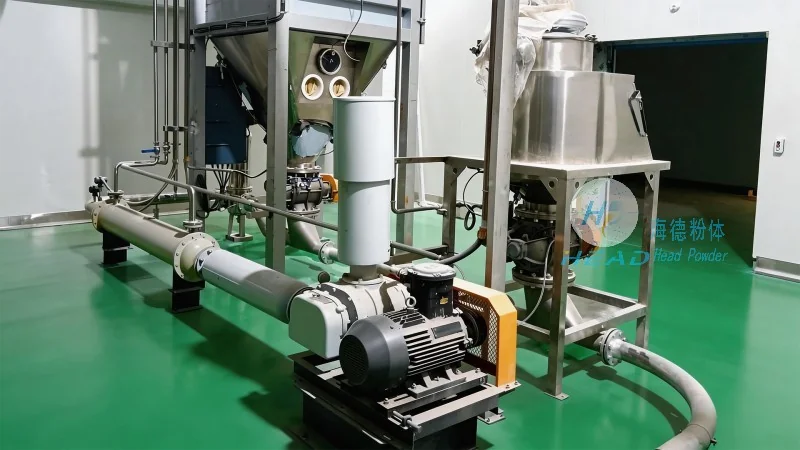
Introduction to Silica Sand Pneumatic Conveying Systems
Silica sand, known for its high abrasiveness and density, requires specialized equipment and design approaches to ensure safe and efficient transportation. Pneumatic conveying systems use air pressure to move the material, offering advantages such as reduced equipment wear, minimal product contamination, and the ability to handle materials in enclosed environments. Proper system design is essential to maximize throughput, minimize energy consumption, and extend the lifespan of components.
About HeadPowder: Your Expert in Pneumatic Conveying Solutions
HeadPowder, a leading provider of industrial conveying systems, specializes in designing and implementing solutions for challenging materials like silica sand. With years of experience in the field, the company understands the unique demands of handling abrasive and high-density materials. Based in Shandong, China, HeadPowder Engineering Co., Ltd. leverages advanced technology and engineering expertise to deliver customized pneumatic conveying systems that meet the highest standards of performance and reliability. The company’s commitment to quality and customer satisfaction has made it a trusted partner for industries worldwide.
Key Factors in Designing a Silica Sand Pneumatic Conveying System
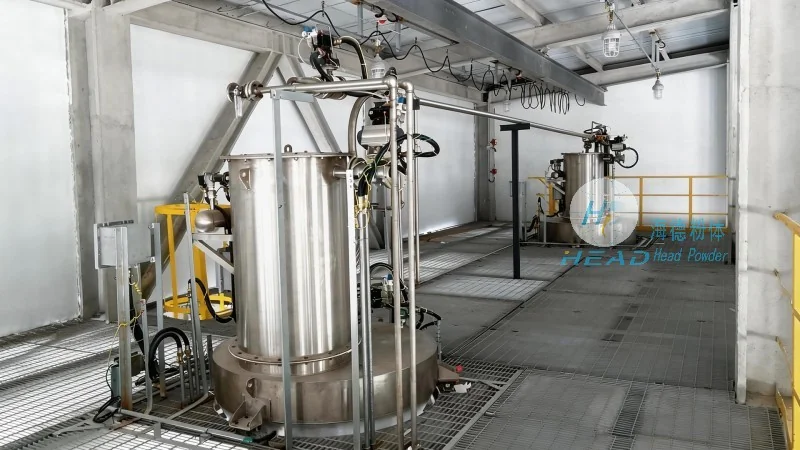
The design of a silica sand pneumatic conveying system involves several critical factors that must be carefully evaluated. First, the material characteristics of silica sand, including its particle size distribution, density, and abrasiveness, play a significant role in determining the appropriate system type and components. For instance, high-abrasion materials like silica sand may require special wear-resistant materials for the conveying lines and components to prevent premature failure. Second, the system's capacity and required throughput must be accurately determined based on production rates and operational needs. This involves calculating the air flow rate, pressure, and conveying distance to ensure the system can handle the desired volume of material efficiently.
Third, the layout and integration of the system with existing infrastructure are important considerations. The system should be designed to minimize space requirements while ensuring smooth material flow from the source to the destination. This may involve selecting the right type of pneumatic conveying system, such as pressure or vacuum systems, based on the specific application and operational constraints. Additionally, the selection of components like air compressors, filters, and control systems must align with the system's performance requirements and budget constraints.
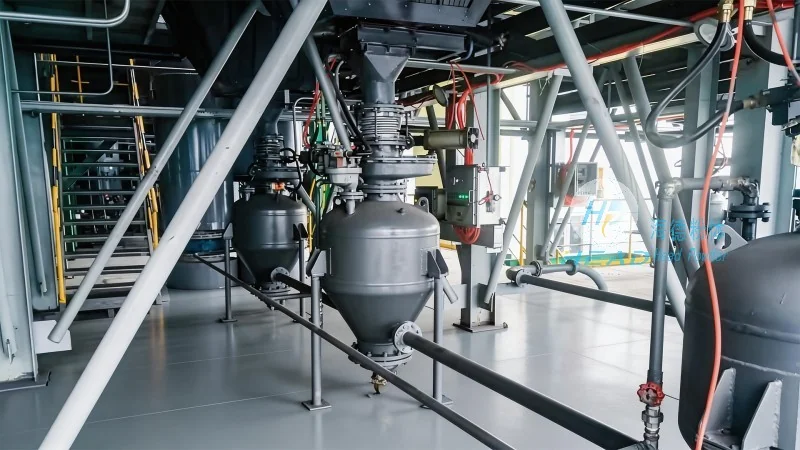
Components of a Typical Silica Sand Pneumatic Conveying System
A standard silica sand pneumatic conveying system typically consists of several key components working in tandem. The primary components include a material feeder, which feeds the silica sand into the system, and a conveying line that transports the material using compressed air. The system may also include a hopper or storage tank to hold the material before it is conveyed, as well as a receiver or discharge unit where the material is deposited. Air compressors provide the necessary pressure to move the material through the system, while filters and moisture separators ensure the air remains clean and free of contaminants. Control systems monitor and regulate the operation of the system, ensuring optimal performance and safety.
For silica sand applications, the conveying line and associated components are often made from wear-resistant materials like stainless steel or special alloys to withstand the abrasive nature of the material. The material feeder may be a rotary valve or a screw feeder, depending on the system's capacity and the need for precise material control. The air compressor is typically a high-pressure unit capable of delivering the required air volume and pressure to maintain consistent material flow. Filters are essential to prevent dust and debris from entering the system and damaging components, while moisture separators help remove any moisture from the air to prevent corrosion and material clumping.
Design Process and Best Practices
The design process for a silica sand pneumatic conveying system begins with a thorough analysis of the material and operational requirements. Engineers at HeadPowder work closely with clients to gather data on the silica sand's properties, such as particle size, density, and moisture content, as well as the system's capacity and operational constraints. This information is used to select the appropriate system type and components, ensuring the final design meets all performance and safety standards.
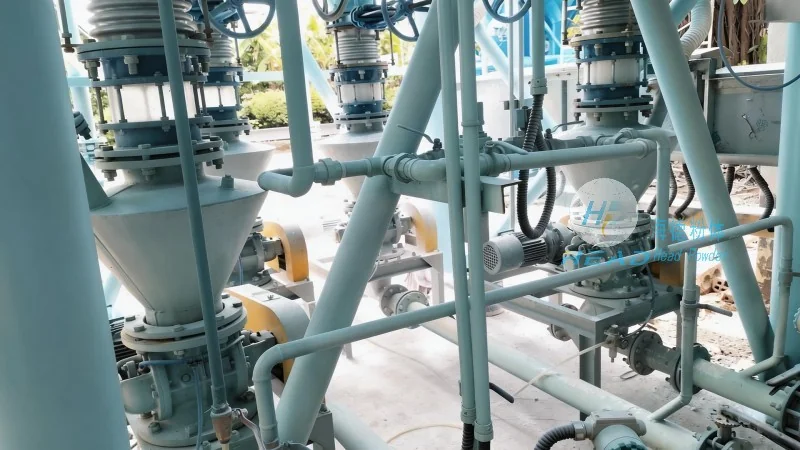
During the design phase, engineers consider factors such as the conveying distance, elevation changes, and any obstacles that may affect the material flow. The system layout is optimized to minimize pressure losses and energy consumption, while ensuring the material is conveyed at a consistent velocity to prevent clogging or degradation. Best practices in system design include using smooth, straight conveying lines with minimal bends to reduce friction and wear, and incorporating regular maintenance schedules to keep the system operating at peak efficiency.
Testing and validation are also critical steps in the design process. HeadPowder conducts comprehensive testing of the system under various conditions to ensure it meets the specified performance criteria. This may involve simulating different material loads and operational scenarios to identify potential issues and make necessary adjustments before the system is installed and commissioned. By following these best practices, the final system is designed to deliver reliable and efficient performance, minimizing downtime and maintenance costs for the client.
Conclusion and Contact Information
Designing a reasonable silica sand pneumatic conveying system requires a combination of technical expertise, material knowledge, and careful planning. With its extensive experience and commitment to quality, Shandong HeadPowder Engineering Co., Ltd. is well-positioned to provide customized solutions that meet the unique needs of silica sand handling operations. By leveraging advanced technology and engineering principles, the company ensures that its systems deliver optimal performance, reliability, and cost-effectiveness. For more information on pneumatic conveying solutions for silica sand, please contact HeadPowder at their office in Shandong, China.

 Công ty TNHH Kỹ thuật Công trình Bột Hải Đức Sơn Đông
 156-6277-7102(Quản lý Trương)
  0531-83386006
  Quận Chương Khâu, Thành phố Tế Nam, Tỉnh Sơn Đông, Trung Quốc
Điện thoại
WeChatTư vấn
Lên đầu