Công ty Hải Đức Bột với hơn 10 năm kinh nghiệm vận chuyển khí, cung cấp hệ thống‑thiết bị‑quạt gió và nhận dự án tổng thầu bột cả nước
When it comes to handling rare earth materials, the design of an efficient and reliable pneumatic conveying system is critical for ensuring smooth operations and minimizing downtime. This guide provides insights into the key considerations and steps involved in designing a system that meets the specific needs of rare earth processing facilities.
Understanding the Core Components of Rare Earth Pneumatic Conveying Systems
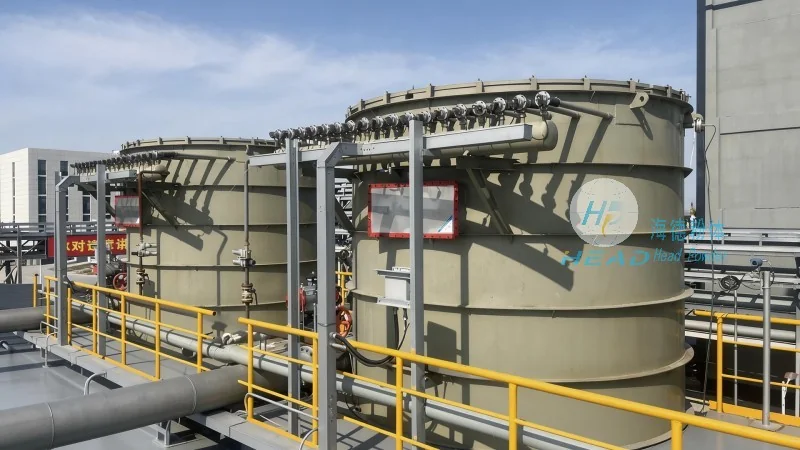
A pneumatic conveying system for rare earth materials typically consists of several key components, including the material feed system, air supply unit, conveying line, and material discharge equipment. Each component plays a vital role in the overall performance of the system. The material feed system is responsible for introducing the rare earth powder into the conveying line, while the air supply unit generates the necessary air pressure or vacuum to move the material. The conveying line, often made of stainless steel or other corrosion-resistant materials, transports the material from the feed point to the discharge point. Finally, the material discharge equipment collects the material from the conveying line and delivers it to the next processing stage.
Key Design Considerations for Rare Earth Pneumatic Conveying Systems
Several factors must be carefully considered when designing a rare earth pneumatic conveying system. First, the type of conveying system—whether positive pressure, negative pressure, or a combination—needs to be determined based on the material characteristics, such as particle size, density, and moisture content. Positive pressure systems are commonly used for long-distance or high-capacity conveying, as they can maintain consistent air pressure and prevent material degradation. Negative pressure systems, on the other hand, are suitable for applications where dust control is a priority, as they create a sealed environment that prevents dust from escaping.
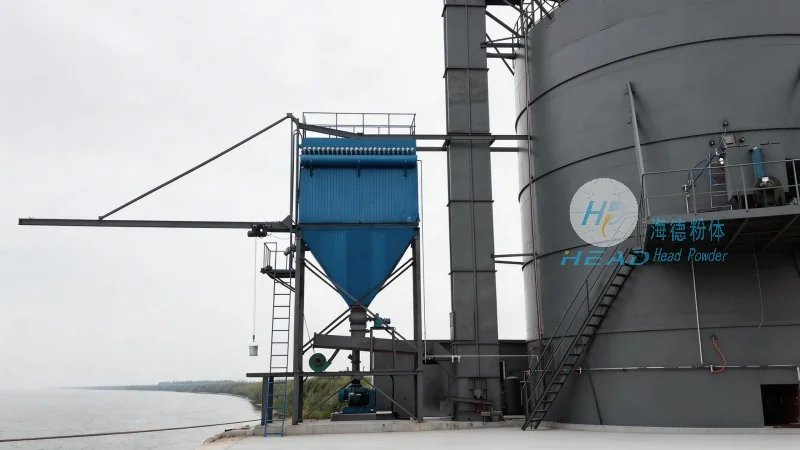
Second, the material feed mechanism is crucial for ensuring consistent material flow. For rare earth powders, which can be prone to caking or bridging, a well-designed feed system, such as a rotary valve or a star feeder, is essential to prevent blockages and maintain uniform material delivery. The feed system should be equipped with features like vibration or air-assisted feeding to ensure smooth material transfer.
System Sizing and Capacity Planning for Rare Earth Conveying
Accurate system sizing is critical to ensure that the pneumatic conveying system can handle the required material flow rates without excessive pressure drops or energy consumption. The system capacity should be based on the production rate of the rare earth processing facility, taking into account factors such as the material's bulk density, particle size distribution, and the desired conveying velocity. Over-sizing the system can lead to unnecessary energy costs, while under-sizing can result in system bottlenecks and reduced efficiency.
Material Handling Challenges and Solutions in Rare Earth Pneumatic Conveying
Rare earth materials present unique challenges in pneumatic conveying due to their physical properties. For example, some rare earth powders may have high moisture content, which can lead to caking or corrosion of the conveying system components. To address this, the system design should include moisture control measures, such as drying the material before feeding or using corrosion-resistant materials for the conveying line. Additionally, the particle size and shape of rare earth materials can affect the system's performance, as finer particles may require higher air velocities to prevent settling or blockages.
Control and Monitoring Systems for Rare Earth Pneumatic Conveying
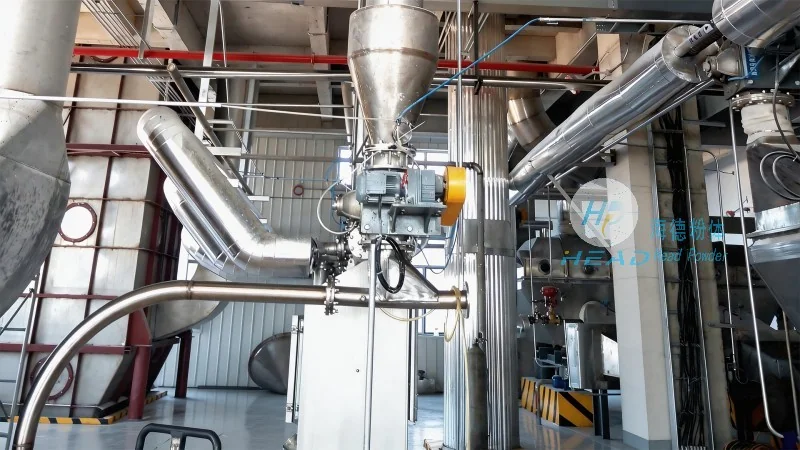
Implementing an effective control and monitoring system is essential for maintaining the reliability and efficiency of a rare earth pneumatic conveying system. Modern systems often include sensors and control panels that monitor parameters such as air pressure, material flow rate, and system temperature. These sensors can detect anomalies in real-time, allowing operators to take corrective action before system failures occur. Additionally, automation features, such as programmable logic controllers (PLCs), can be integrated into the system to optimize operation and reduce human error.
Case Study: Successful Implementation of a Rare Earth Pneumatic Conveying System by Shandong HeadPowder Engineering Co., Ltd.
Shandong HeadPowder Engineering Co., Ltd., a leading provider of engineering solutions for material handling, has successfully designed and implemented rare earth pneumatic conveying systems for several clients. One notable project involved the design of a positive pressure system for a rare earth processing facility in China. The system was designed to handle 200 tons of rare earth powder per day, with a conveying distance of 500 meters. The system included a rotary valve feed system, a high-pressure air compressor, and a stainless steel conveying line. The implementation of this system resulted in a 30% reduction in energy consumption compared to traditional systems and a 20% increase in material throughput. This success demonstrates the expertise and capabilities of Shandong HeadPowder Engineering Co., Ltd. in designing and implementing efficient rare earth pneumatic conveying systems.

 Công ty TNHH Kỹ thuật Công trình Bột Hải Đức Sơn Đông
 156-6277-7102(Quản lý Trương)
  0531-83386006
  Quận Chương Khâu, Thành phố Tế Nam, Tỉnh Sơn Đông, Trung Quốc
Điện thoại
WeChatTư vấn
Lên đầu