Công ty Hải Đức Bột với hơn 10 năm kinh nghiệm vận chuyển khí, cung cấp hệ thống‑thiết bị‑quạt gió và nhận dự án tổng thầu bột cả nước
When it comes to transporting gypsum sand, selecting the right method is crucial for efficiency and cost-effectiveness. Among the various options available, pneumatic conveying stands out as a highly effective solution. This article explores the different methods of gypsum sand conveyance and highlights the key advantages and features of pneumatic conveying systems.
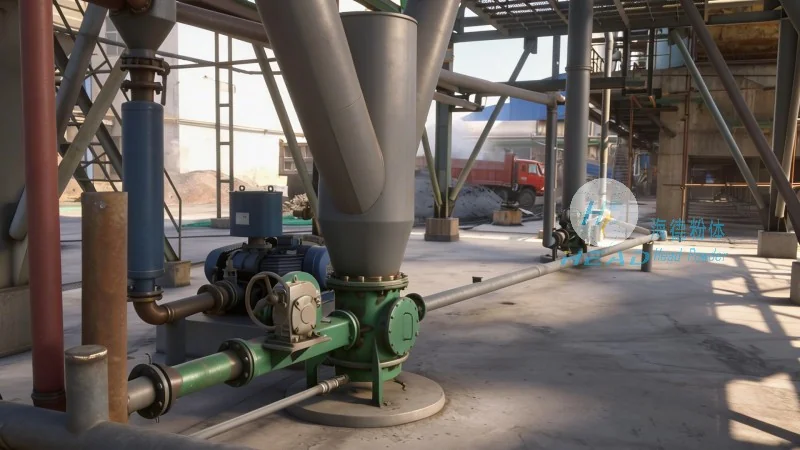
About HeadPowder
HeadPowder, a leading provider in the field, specializes in engineering solutions for material handling. With a strong presence in Shandong, China, the company is dedicated to delivering high-quality equipment and services tailored to the needs of the industrial sector. The company’s full name is Shandong HeadPowder Engineering Co., Ltd., and its operational base is located in Shandong, China.
Methods of Gypsum Sand Conveying
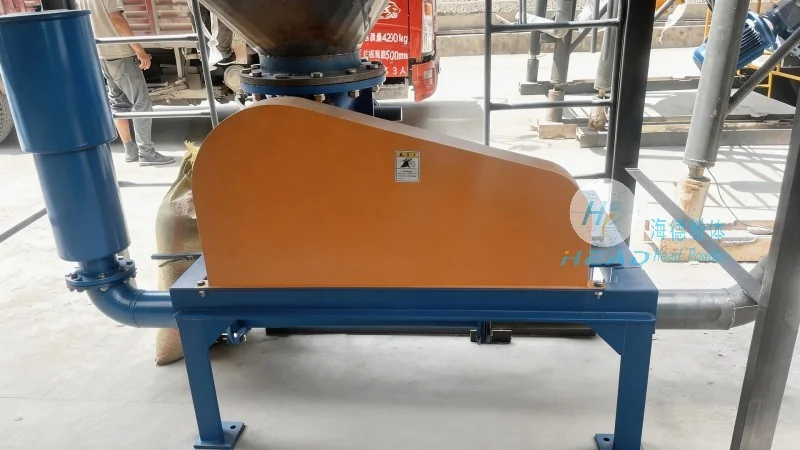
Gypsum sand, a widely used material in construction and industrial applications, requires reliable and efficient transport systems. Traditional methods such as belt conveyors and bucket elevators have been used for decades, but they often face challenges like material degradation, maintenance issues, and limited flexibility. In contrast, pneumatic conveying offers a modern and versatile approach to handling gypsum sand.
Advantages and Features of Gypsum Sand Pneumatic Conveying
Pneumatic conveying systems utilize air pressure to move gypsum sand through a network of pipes. This method offers several key advantages that make it a preferred choice for many industries. First, it provides a clean and dust-free environment, which is essential for maintaining product quality and ensuring workplace safety. Unlike mechanical systems that can generate dust and cause contamination, pneumatic conveying keeps the material contained within the system, reducing the risk of environmental and health hazards.
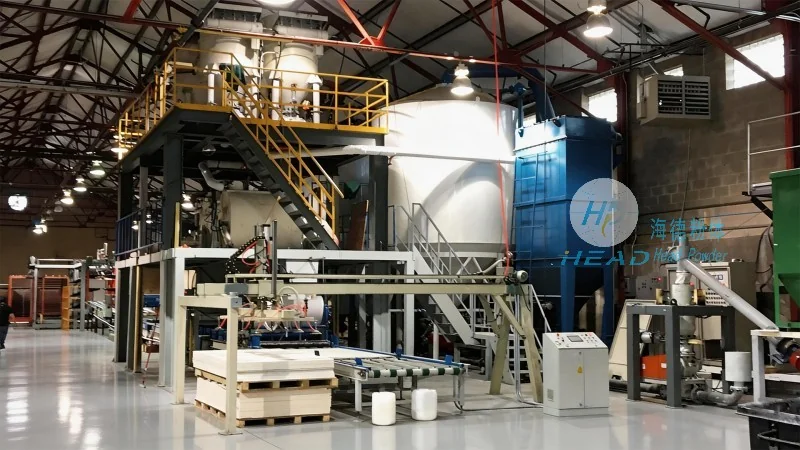
Second, pneumatic conveying systems are highly flexible and can be easily adapted to different layouts and operational requirements. The ability to change the direction of the flow or adjust the speed of transport allows for greater control over the conveying process. This flexibility is particularly beneficial in complex production lines where multiple material handling points are involved.
Third, the system is capable of handling a wide range of material types and particle sizes, including fine gypsum sand. The air pressure can be adjusted to accommodate different material characteristics, ensuring consistent and reliable transport. This adaptability makes pneumatic conveying suitable for various applications, from small-scale operations to large industrial plants.
Fourth, maintenance and operational costs are generally lower compared to traditional mechanical systems. Pneumatic systems have fewer moving parts, reducing the likelihood of breakdowns and the need for frequent repairs. Additionally, the absence of mechanical components like belts or buckets minimizes wear and tear, leading to longer service life and reduced downtime.
Fifth, the system can be integrated with other processing equipment, such as storage silos and mixing units, creating a seamless material handling workflow. This integration enhances overall operational efficiency and streamlines production processes. The ability to connect multiple components in a single system allows for better control and monitoring of the conveying operation.

 Công ty TNHH Kỹ thuật Công trình Bột Hải Đức Sơn Đông
 156-6277-7102(Quản lý Trương)
  0531-83386006
  Quận Chương Khâu, Thành phố Tế Nam, Tỉnh Sơn Đông, Trung Quốc
Điện thoại
WeChatTư vấn
Lên đầu