Công ty Hải Đức Bột với hơn 10 năm kinh nghiệm vận chuyển khí, cung cấp hệ thống‑thiết bị‑quạt gió và nhận dự án tổng thầu bột cả nước
Coal gangue, also known as coal waste or mine rock, is a byproduct of coal mining and processing. Efficient and reliable transportation of coal gangue is crucial for industrial operations, as it impacts the overall efficiency of mining and processing facilities. Various methods are employed for coal gangue conveyance, each with its own set of advantages and limitations. This article explores the common conveying methods for coal gangue and highlights the benefits of pneumatic conveying as a modern solution.
About HeadPowder Engineering Co., Ltd.
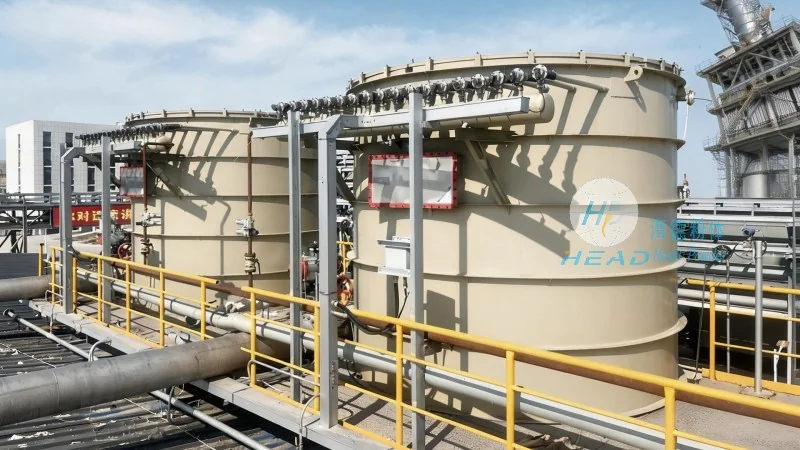
HeadPowder, a leading engineering company based in Shandong, China, specializes in the design, manufacturing, and installation of advanced material handling systems. With a strong commitment to innovation and quality, HeadPowder provides tailored solutions for coal gangue transportation and other bulk material handling applications. The company's expertise in pneumatic conveying technology has enabled it to deliver efficient and sustainable solutions for clients across various industries.
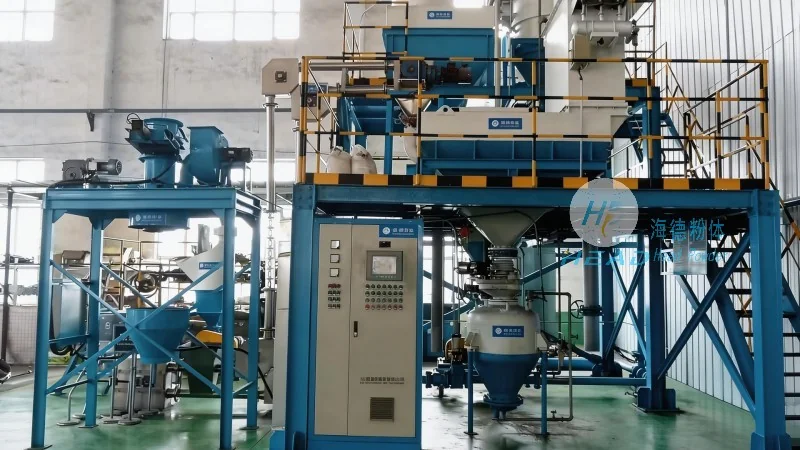
Common Conveying Methods for Coal Gangue
Traditional coal gangue conveying methods include belt conveyors, screw conveyors, and bucket elevators. Belt conveyors are widely used for long-distance horizontal and inclined transport due to their high capacity and low maintenance costs. Screw conveyors are suitable for vertical or horizontal transport of dry, free-flowing materials and are commonly used in smaller-scale operations. Bucket elevators, on the other hand, are ideal for vertical transport of bulk materials with high density and are often used in mining and processing plants.
The Advantages and Features of Pneumatic Conveying for Coal Gangue
Pneumatic conveying, also known as air conveying, is a non-contact method of transporting bulk materials using air pressure or vacuum. This technology offers several advantages over traditional mechanical conveyors, making it an ideal choice for coal gangue transportation. One of the key benefits is the ability to transport materials over long distances with minimal maintenance. Pneumatic systems can handle a wide range of material characteristics, including coal gangue with varying particle sizes and moisture content. Additionally, pneumatic conveying is more hygienic and cleaner compared to mechanical systems, as it eliminates the need for direct contact between the material and the conveyor components.
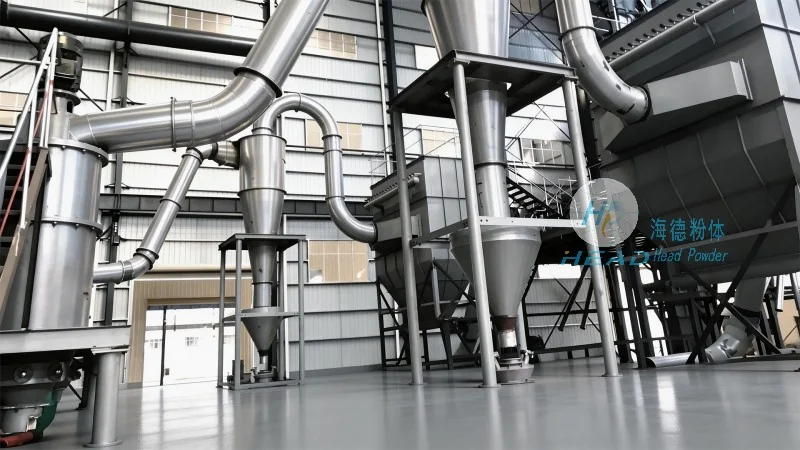
Key Features of Pneumatic Conveying Systems
Modern pneumatic conveying systems for coal gangue are equipped with advanced features that enhance their performance and reliability. These systems typically include a blower or vacuum pump to generate the necessary air pressure, a hopper or feeder to introduce the material, and a pipeline network to transport the material to the destination. The design of the system is tailored to the specific characteristics of the coal gangue, such as particle size distribution, moisture content, and bulk density. HeadPowder's pneumatic conveying solutions are designed to optimize material flow, minimize energy consumption, and ensure consistent performance over extended periods.
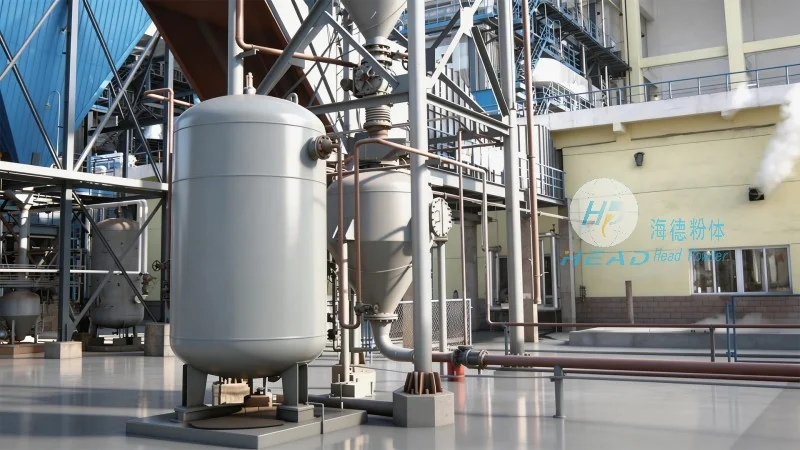
Applications and Benefits in Industrial Settings
Coal gangue pneumatic conveying systems are widely used in various industrial applications, including coal processing plants, power generation facilities, and waste management operations. The efficiency of these systems leads to reduced operational costs and increased productivity. By eliminating the need for multiple mechanical conveyors and transfer points, pneumatic systems streamline the material handling process and reduce the risk of material spillage and contamination. Furthermore, the ability to transport materials in a closed system helps maintain environmental standards and prevents dust emissions, contributing to a safer and more sustainable industrial environment.

 Công ty TNHH Kỹ thuật Công trình Bột Hải Đức Sơn Đông
 156-6277-7102(Quản lý Trương)
  0531-83386006
  Quận Chương Khâu, Thành phố Tế Nam, Tỉnh Sơn Đông, Trung Quốc
Điện thoại
WeChatTư vấn
Lên đầu