Công ty Hải Đức Bột với hơn 10 năm kinh nghiệm vận chuyển khí, cung cấp hệ thống‑thiết bị‑quạt gió và nhận dự án tổng thầu bột cả nước
Aluminum ore, a critical raw material in the production of aluminum metal, requires efficient and reliable transportation methods to ensure smooth operations in mining and processing facilities. The choice of conveying system directly impacts operational efficiency, cost-effectiveness, and safety. This article explores various aluminum ore conveying methods, with a particular focus on the advantages and characteristics of pneumatic conveying, a technology widely adopted in the industry.
Introduction to Aluminum Ore Conveying Systems
Aluminum ore, often extracted from bauxite deposits, needs to be transported from mining sites to processing plants or storage areas. Traditional methods such as belt conveyors, bucket elevators, and hydraulic systems have been used for decades. However, with advancements in material handling technology, pneumatic conveying has emerged as a preferred solution for many applications due to its unique benefits.
Key Aluminum Ore Conveying Methods
Several methods are commonly employed for aluminum ore transportation, each with its own set of advantages and limitations. The primary options include:
Belt Conveyors
Belt conveyors are one of the most widely used bulk material handling systems. They consist of a continuous belt that moves over rollers or pulleys, transporting the ore from one location to another. This method is particularly effective for long-distance horizontal or slightly inclined transport. Belt conveyors are known for their high capacity, low maintenance requirements, and ability to handle large volumes of material. However, they may face challenges when dealing with abrasive or sticky aluminum ore, which can cause wear and tear on the belt and rollers.
Bucket Elevators
Bucket elevators are vertical or inclined conveyors that use a series of buckets attached to a chain or belt to lift and transport ore vertically. They are ideal for vertical or steep incline transport, making them suitable for elevating ore from underground mines to surface processing facilities. Bucket elevators offer high vertical transport capacity and can handle a wide range of materials, including aluminum ore. The main drawbacks include higher initial costs and the need for regular maintenance to ensure the buckets and chains remain in good condition.
Pneumatic Conveying
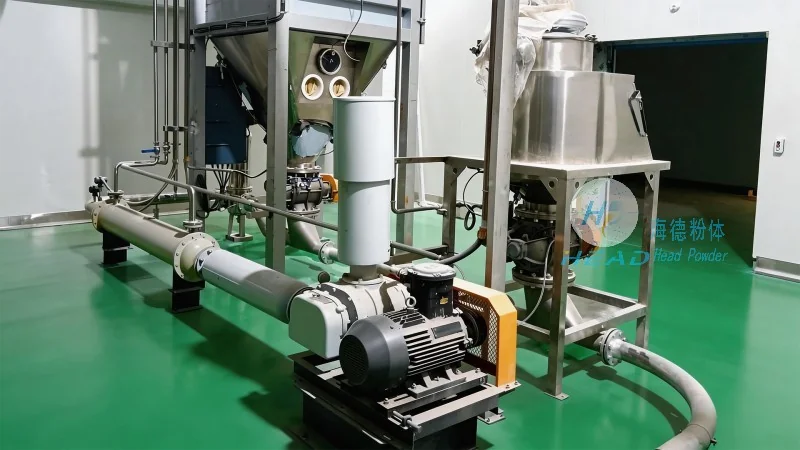
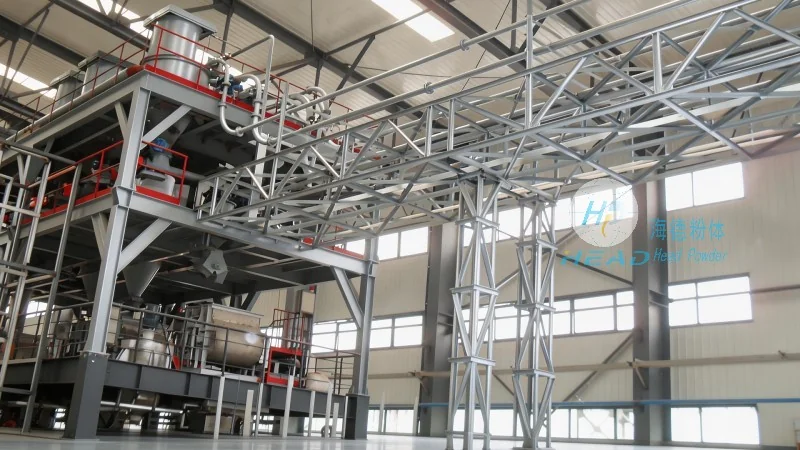
Pneumatic conveying, also known as air conveying, uses compressed air to transport aluminum ore particles through a pipeline. This method is particularly advantageous for aluminum ore due to its ability to handle fine or powdery materials, reduce dust generation, and provide a closed system that minimizes environmental impact. Pneumatic conveying systems can be categorized into two main types: dilute-phase and dense-phase. Dilute-phase systems use low air-to-material ratios, suitable for long-distance horizontal transport, while dense-phase systems use higher air-to-material ratios, ideal for short-distance or vertical transport with higher material density.
Advantages of Pneumatic Conveying for Aluminum Ore
Shandong HeadPowder Engineering Co., Ltd., a leading provider of material handling solutions, emphasizes the following key advantages of pneumatic conveying for aluminum ore:
1. Reduced Dust and Environmental Impact
Pneumatic conveying operates in a closed system, which significantly reduces dust emissions compared to open systems like belt conveyors. This not only improves workplace safety by minimizing respiratory hazards but also helps in complying with environmental regulations. The enclosed pipeline prevents dust from being released into the air, making it an environmentally friendly option for aluminum ore transportation.
2. Efficient Handling of Fine and Abrasive Materials
Aluminum ore, especially when processed, can contain fine particles and be abrasive. Pneumatic conveying systems are designed to handle such materials effectively. The high velocity of air in the pipeline ensures that even fine particles are transported without clogging or causing excessive wear on the system components. This efficiency is crucial for maintaining the quality of the ore and extending the lifespan of the conveying equipment.
3. Flexibility and Versatility
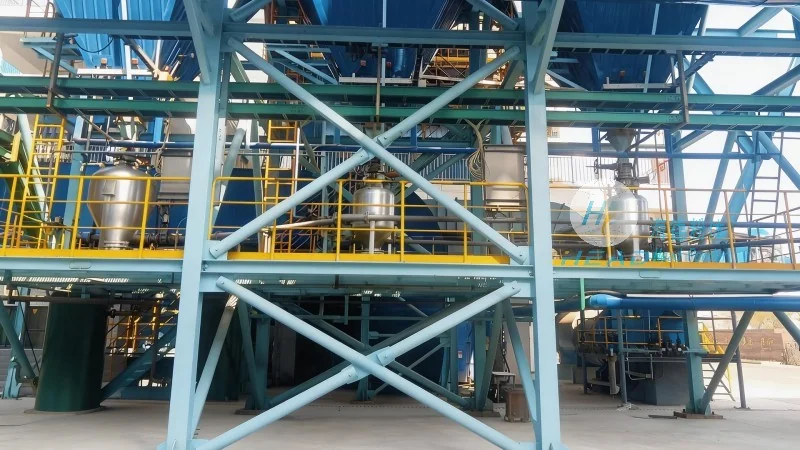
Pneumatic conveying systems offer greater flexibility in terms of layout and route changes. The pipeline can be easily reconfigured to adapt to changes in the ore processing plant or mining site. This flexibility is particularly valuable in dynamic industrial environments where operational needs may evolve over time. Additionally, pneumatic systems can transport aluminum ore in both forward and reverse directions, providing operational flexibility that is not always available with other conveying methods.
4. Lower Maintenance Costs
While the initial investment for pneumatic conveying systems may be higher than some traditional methods, the long-term maintenance costs are often lower. The closed system reduces the need for frequent cleaning and maintenance associated with dust accumulation. Moreover, the components such as pipelines and air compressors are designed for durability, reducing the frequency of repairs and replacements. This leads to overall cost savings for the mining and processing operations.
5. Improved Safety and Product Quality
By operating in a closed environment, pneumatic conveying minimizes the risk of material contamination and exposure to hazardous conditions. This is particularly important for aluminum ore, which may contain impurities or be processed under conditions that require high purity. The enclosed system ensures that the ore remains clean and free from external contaminants, enhancing the quality of the final aluminum product. Additionally, the reduced dust and noise levels contribute to a safer working environment for personnel.
Conclusion
When selecting a conveying method for aluminum ore, it is essential to consider factors such as material characteristics, transport distance, and operational requirements. While belt conveyors and bucket elevators remain viable options for certain applications, pneumatic conveying offers significant advantages in terms of efficiency, safety, and environmental impact. Shandong HeadPowder Engineering Co., Ltd. specializes in designing and manufacturing customized pneumatic conveying systems tailored to the specific needs of aluminum ore processing facilities, ensuring optimal performance and reliability.

 Công ty TNHH Kỹ thuật Công trình Bột Hải Đức Sơn Đông
 156-6277-7102(Quản lý Trương)
  0531-83386006
  Quận Chương Khâu, Thành phố Tế Nam, Tỉnh Sơn Đông, Trung Quốc
Điện thoại
WeChatTư vấn
Lên đầu