Công ty Hải Đức Bột với hơn 10 năm kinh nghiệm vận chuyển khí, cung cấp hệ thống‑thiết bị‑quạt gió và nhận dự án tổng thầu bột cả nước
When it comes to the transportation of polyacrylamide (PAM), a widely used polymer in various industrial applications, selecting the right conveying method is crucial for efficiency, cost-effectiveness, and operational safety. PAM, known for its high molecular weight and water solubility, requires specialized handling due to its properties. Among the various options available, pneumatic conveying stands out as a preferred method for many industries. This article explores the different PAM conveying methods and highlights the key advantages and features of PAM pneumatic conveying, with a focus on the expertise of Shandong HeadPowder Engineering Co., Ltd., a leading provider in the field.
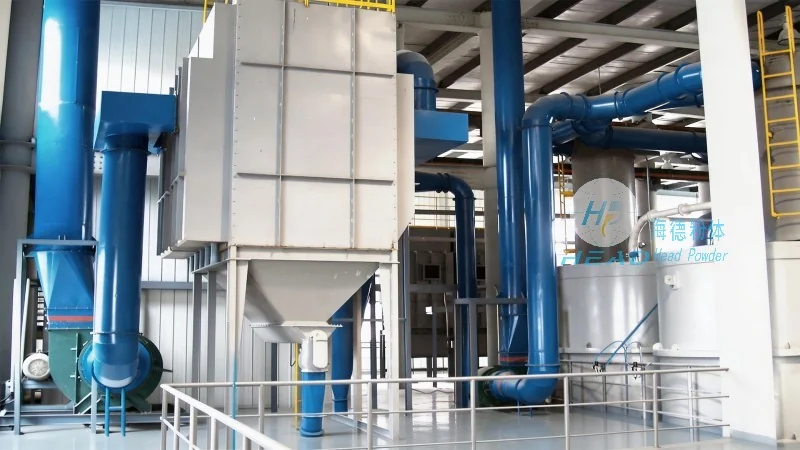
Different PAM Conveying Methods and Their Applications
Polyacrylamide is typically delivered in powder or granular forms, and the choice of conveying method depends on factors such as the material's characteristics, the distance to be transported, and the required flow rate. Traditional methods include gravity flow, mechanical screw conveyors, and belt conveyors. However, these methods may face challenges with PAM due to its fine particle size and tendency to clog or agglomerate. Pneumatic conveying, on the other hand, offers a more flexible and efficient solution for handling PAM in bulk.
Understanding PAM Pneumatic Conveying: How It Works
PAM pneumatic conveying utilizes air or gas to transport the polymer material through a pipeline system. The process involves creating a pressure differential between the inlet and outlet of the conveying line, which draws the PAM particles into the air stream. The system typically consists of a hopper, a rotary valve, a venturi or eductor, and a receiver. The hopper stores the PAM, and the rotary valve controls the flow of material into the conveying line. The venturi or eductor creates the necessary suction or pressure to move the material. The receiver collects the PAM at the destination point.
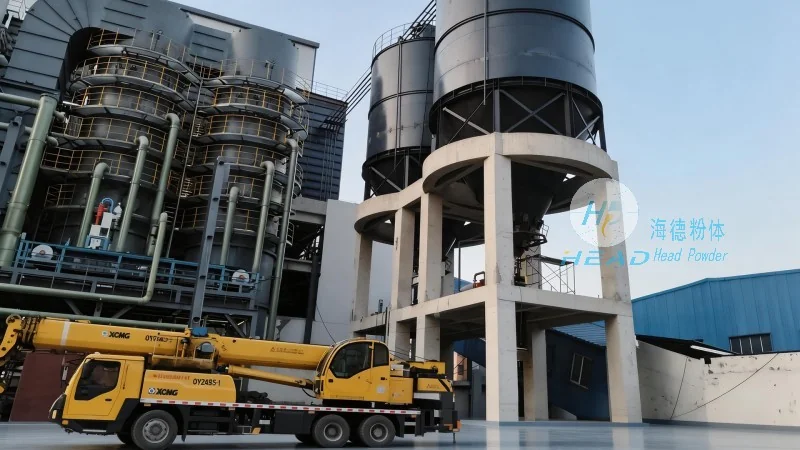
Key Advantages of PAM Pneumatic Conveying
Shandong HeadPowder Engineering Co., Ltd. emphasizes several key advantages of PAM pneumatic conveying that make it an ideal choice for industrial applications. Firstly, it provides a dust-free and clean operation, which is critical for maintaining product quality and ensuring workplace safety. Unlike mechanical conveyors, pneumatic systems do not generate dust or cause contamination, which is particularly important for PAM, a material used in water treatment and other sensitive processes. Secondly, pneumatic conveying offers high flexibility in terms of layout and routing. The pipeline system can be easily reconfigured to accommodate changes in production processes or facility expansions without major structural modifications. This flexibility reduces downtime and increases operational adaptability. Thirdly, PAM pneumatic conveying is highly efficient in terms of energy consumption and material handling. The system can transport large volumes of PAM over long distances with minimal energy input, making it cost-effective compared to other methods. Additionally, the process is gentle on the material, preventing degradation or agglomeration that could affect the polymer's performance. This ensures that the PAM maintains its intended properties, such as viscosity and charge density, which are critical for its effectiveness in applications like sludge dewatering and flocculation.
Features and Technical Specifications of PAM Pneumatic Conveying Systems
The PAM pneumatic conveying systems offered by Shandong HeadPowder Engineering Co., Ltd. are designed with advanced features to enhance performance and reliability. These systems are equipped with high-quality components, including stainless steel or corrosion-resistant materials, to ensure durability and resistance to the chemical properties of PAM. The control systems are sophisticated, allowing for precise regulation of air flow, pressure, and material flow rates. This precision helps maintain consistent conveying performance and prevents overloading or underloading of the system. The systems also incorporate safety features, such as pressure relief valves and emergency shut-off mechanisms, to protect against potential hazards. Furthermore, the company provides customized solutions tailored to the specific needs of each client, ensuring that the conveying system is optimized for their unique production requirements. This customization includes adjustments to the pipeline diameter, the type of air compressor, and the control logic to achieve the best possible results.
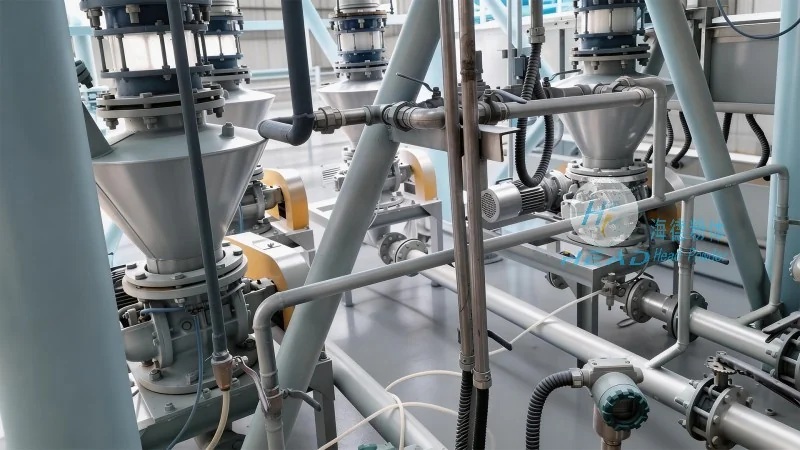
Applications of PAM Pneumatic Conveying in Industrial Settings
PAM pneumatic conveying is widely used in various industries where polyacrylamide is a key component. In the water treatment industry, for example, PAM is used to flocculate and dewater sludge. Pneumatic conveying systems efficiently transport the PAM from storage to the treatment facilities, ensuring a consistent supply of the polymer. In the mining industry, PAM is used for tailings management and ore processing. The ability to transport PAM over long distances and in harsh environments makes pneumatic conveying a preferred method. Similarly, in the paper and pulp industry, PAM is used to improve paper quality and reduce water usage. The gentle handling and dust-free operation of pneumatic systems help maintain the integrity of the PAM, which is essential for achieving optimal results. Shandong HeadPowder Engineering Co., Ltd. has successfully implemented PAM pneumatic conveying systems in numerous such applications, demonstrating the effectiveness and reliability of the technology.
Conclusion: The Role of PAM Pneumatic Conveying in Modern Industrial Operations
In conclusion, PAM pneumatic conveying is a superior method for transporting polyacrylamide in industrial settings. Its advantages, including dust-free operation, flexibility, efficiency, and gentle handling, make it a preferred choice over traditional methods. Shandong HeadPowder Engineering Co., Ltd. plays a crucial role in providing high-quality PAM pneumatic conveying systems that meet the diverse needs of industries worldwide. By leveraging advanced technology and customized solutions, the company ensures that clients can achieve optimal performance and cost savings in their PAM handling operations. As the demand for efficient and reliable PAM transportation continues to grow, the importance of pneumatic conveying systems will only increase, making it an essential component of modern industrial processes.

 Công ty TNHH Kỹ thuật Công trình Bột Hải Đức Sơn Đông
 156-6277-7102(Quản lý Trương)
  0531-83386006
  Quận Chương Khâu, Thành phố Tế Nam, Tỉnh Sơn Đông, Trung Quốc
Điện thoại
WeChatTư vấn
Lên đầu