Công ty Hải Đức Bột với hơn 10 năm kinh nghiệm vận chuyển khí, cung cấp hệ thống‑thiết bị‑quạt gió và nhận dự án tổng thầu bột cả nước
Ferrous oxide, also known as iron(II) oxide, is a widely used chemical compound in various industrial applications. The efficient and safe delivery of this material is crucial for maintaining production efficiency and ensuring operational safety. Among the various delivery methods available, pneumatic conveying stands out as a preferred solution for transporting ferrous oxide. This article provides an overview of the different delivery methods for ferrous oxide and highlights the key advantages and features of pneumatic conveying as a modern and effective approach.
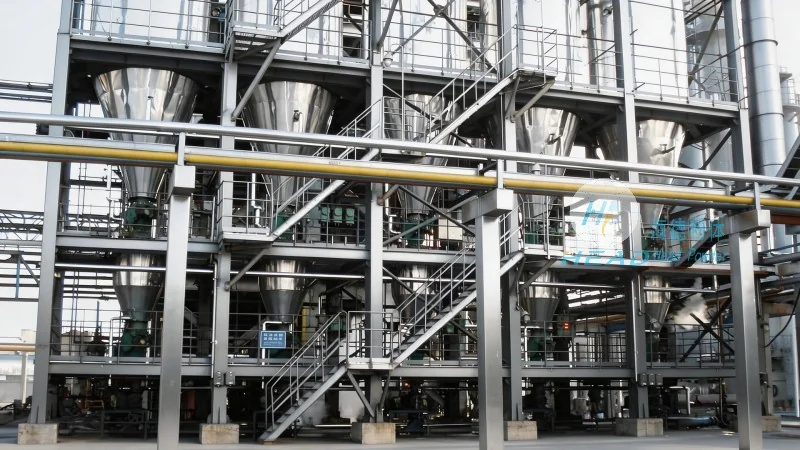
Introduction to Ferrous Oxide Delivery Methods
When it comes to transporting ferrous oxide, several methods are commonly employed in industrial settings. These methods vary in terms of their operational principles, equipment requirements, and suitability for different applications. Understanding the options available helps industries select the most appropriate delivery system based on their specific needs, such as material characteristics, distance, and environmental considerations.
Pneumatic Conveying: A Modern Solution for Ferrous Oxide Transport
Pneumatic conveying is a method that uses air or other gases to transport bulk materials like ferrous oxide through a pipeline system. This technology offers several advantages over traditional methods, making it an ideal choice for many industrial processes. The core principle involves creating a flow of air that carries the material particles through the pipeline, ensuring a continuous and controlled movement of the product.
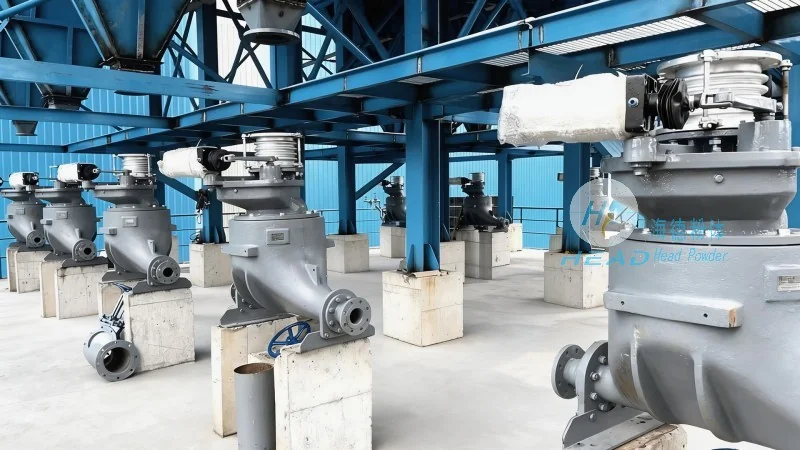
Key Advantages of Pneumatic Conveying for Ferrous Oxide
One of the primary benefits of pneumatic conveying for ferrous oxide is its ability to handle the material in a closed system, minimizing dust emissions and environmental contamination. This is particularly important for ferrous oxide, which can be a source of airborne particles if not managed properly. The enclosed system also helps maintain the purity of the material, preventing contamination from external sources.
Another significant advantage is the flexibility of pneumatic conveying systems. These systems can be designed to transport ferrous oxide over varying distances, from short distances within a facility to long-distance transfers between different locations. The modular nature of the equipment allows for easy expansion or modification as production needs change, providing long-term cost-effectiveness.
Efficiency is another critical factor in the selection of a delivery method. Pneumatic conveying systems are known for their high throughput rates, allowing for the rapid movement of large quantities of ferrous oxide. This efficiency is achieved through the consistent and controlled flow of air, which ensures that the material is transported without significant loss or degradation. Additionally, the system's ability to handle different particle sizes and shapes makes it versatile for various applications.
Features of Pneumatic Conveying Systems for Ferrous Oxide
Modern pneumatic conveying systems for ferrous oxide are equipped with advanced features that enhance their performance and reliability. These features include variable speed drives, which allow for precise control of the air flow and material transport rate. This control is essential for maintaining consistent product quality and preventing overloading or underloading of the system.
Furthermore, the systems often incorporate filtration and cleaning mechanisms to ensure that the air leaving the pipeline is clean and free from dust particles. This not only protects the environment but also maintains the health and safety of the personnel operating the system. The use of high-quality materials in the construction of the pipeline and components ensures durability and long service life, reducing maintenance costs over time.
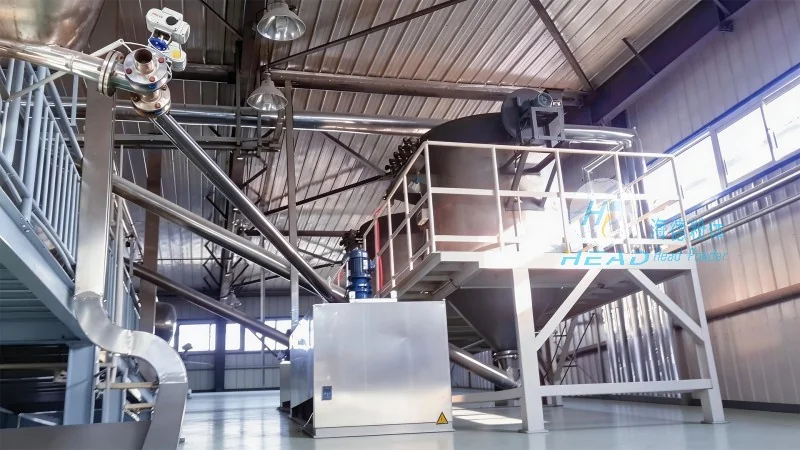
Another notable feature is the integration of monitoring and control systems. These systems provide real-time data on the system's performance, including pressure, flow rates, and material levels. This data enables operators to quickly identify and address any issues, ensuring smooth and uninterrupted operation. The ability to remotely monitor and control the system adds an extra layer of convenience and operational efficiency.
Conclusion: Choosing the Right Delivery Method for Ferrous Oxide
When evaluating delivery methods for ferrous oxide, it is essential to consider the specific requirements of the application, including material characteristics, distance, and environmental regulations. Pneumatic conveying, with its closed system, flexibility, efficiency, and advanced features, offers a comprehensive solution that addresses many of the challenges associated with traditional delivery methods. By selecting a pneumatic conveying system, industries can enhance their operational efficiency, ensure product quality, and maintain compliance with environmental standards.
Shandong HeadPowder Engineering Co., Ltd., a leading provider of industrial conveying solutions, specializes in designing and manufacturing pneumatic conveying systems tailored to the needs of ferrous oxide and other bulk materials. With a focus on innovation and customer satisfaction, the company offers customized solutions that meet the unique requirements of each client. Based in Shandong, China, HeadPowder Engineering leverages its expertise and experience to deliver reliable and efficient delivery systems that contribute to the success of industrial operations worldwide.

 Công ty TNHH Kỹ thuật Công trình Bột Hải Đức Sơn Đông
 156-6277-7102(Quản lý Trương)
  0531-83386006
  Quận Chương Khâu, Thành phố Tế Nam, Tỉnh Sơn Đông, Trung Quốc
Điện thoại
WeChatTư vấn
Lên đầu