Công ty Hải Đức Bột với hơn 10 năm kinh nghiệm vận chuyển khí, cung cấp hệ thống‑thiết bị‑quạt gió và nhận dự án tổng thầu bột cả nước
Phosphorus pentachloride (PCl₅) is a highly reactive and corrosive chemical compound widely used in the production of various industrial chemicals, pharmaceuticals, and specialty materials. The safe and efficient transportation of PCl₅ is crucial for industrial operations, as improper handling can lead to safety hazards and material degradation. This article explores the various transportation methods available for PCl₅, with a focus on the advantages and features of pneumatic conveying, a preferred method for handling this hazardous substance.
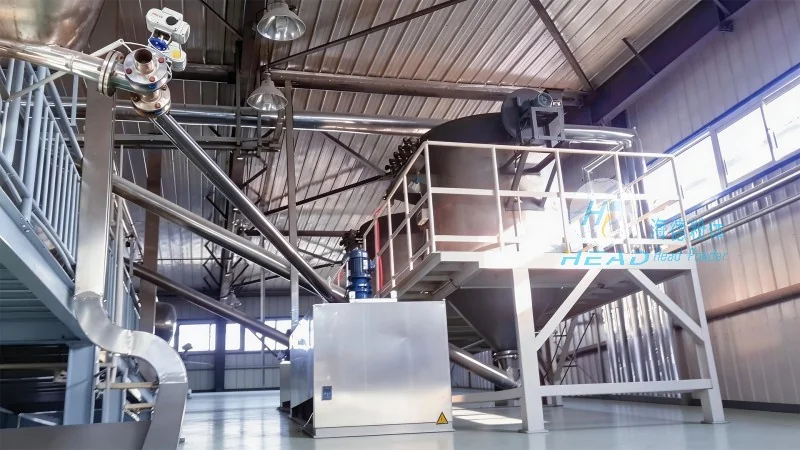
Common Transportation Methods for Phosphorus Pentachloride
There are several methods used to transport phosphorus pentachloride, each with its own set of applications and limitations. The primary methods include mechanical conveying (such as screw conveyors and belt conveyors), pneumatic conveying, and specialized handling systems. Mechanical conveyors are often used for bulk materials with lower reactivity, but they may not be suitable for PCl₅ due to its corrosive nature and the risk of dust generation. Pneumatic conveying, on the other hand, offers a more controlled and safer approach for transporting PCl₅, especially in environments where dust control and material integrity are critical.
Pneumatic Conveying: Advantages and Features
Pneumatic conveying is a widely adopted method for transporting phosphorus pentachloride due to its ability to handle the material in a closed system, minimizing exposure to air and reducing the risk of contamination or oxidation. The key advantages of pneumatic conveying for PCl₅ include:
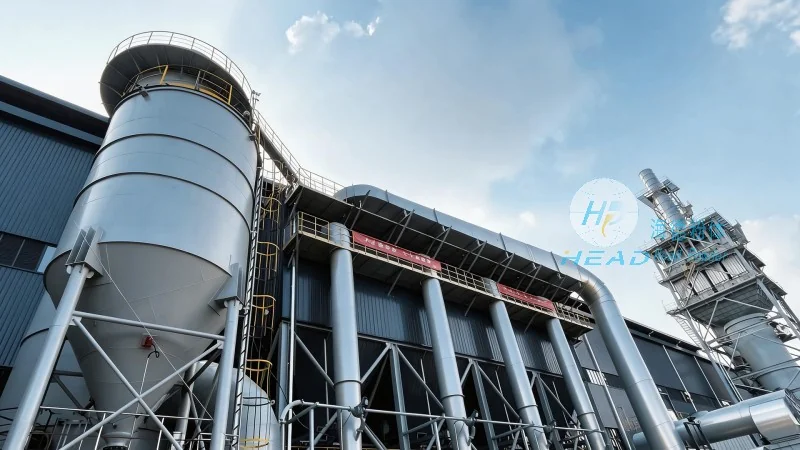
Closed System Operation: Pneumatic conveying systems operate in a sealed environment, which prevents the release of PCl₅ dust into the atmosphere and reduces the risk of inhalation by personnel. This is particularly important given the toxic and corrosive properties of PCl₅.
Efficient Material Handling: The system uses compressed air to move PCl₅ particles through a network of pipes, allowing for continuous and high-volume transport. This method is suitable for both short and long-distance transportation, depending on the system design.
Reduced Maintenance and Downtime: Pneumatic conveying systems have fewer moving parts compared to mechanical conveyors, leading to lower maintenance requirements and reduced downtime. This results in cost savings and increased operational efficiency.
Flexibility in Layout: Pneumatic conveying systems can be easily integrated into existing industrial layouts, allowing for flexible routing of the material flow. This flexibility is beneficial for plants with complex production processes and limited space.
Improved Safety and Compliance: By operating in a closed system, pneumatic conveying helps meet safety regulations and environmental standards, reducing the risk of accidents and legal liabilities. This is essential for companies handling hazardous chemicals like PCl₅.
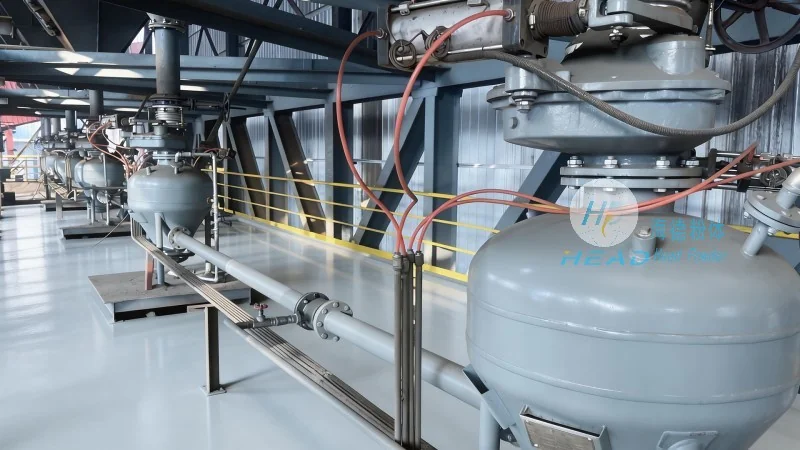
Key Considerations for Pneumatic Conveying Systems
When implementing a pneumatic conveying system for phosphorus pentachloride, several factors must be considered to ensure optimal performance and safety. These include:
Material Compatibility: The system components, such as pipes, valves, and pumps, must be made of materials that are resistant to the corrosive effects of PCl₅. Common materials include stainless steel, PTFE-coated components, and specialized alloys that can withstand the chemical's aggressive nature.
Airflow and Pressure Management: Proper airflow and pressure control are critical to prevent blockages and ensure smooth material transport. The system must be designed to handle the specific flow characteristics of PCl₅ particles, which may vary based on particle size and density.
Dust Control and Filtration: Effective dust collection and filtration systems are essential to prevent the release of PCl₅ particles into the environment. High-efficiency particulate air (HEPA) filters and dust collectors are commonly used to ensure compliance with environmental regulations and maintain a safe working environment.
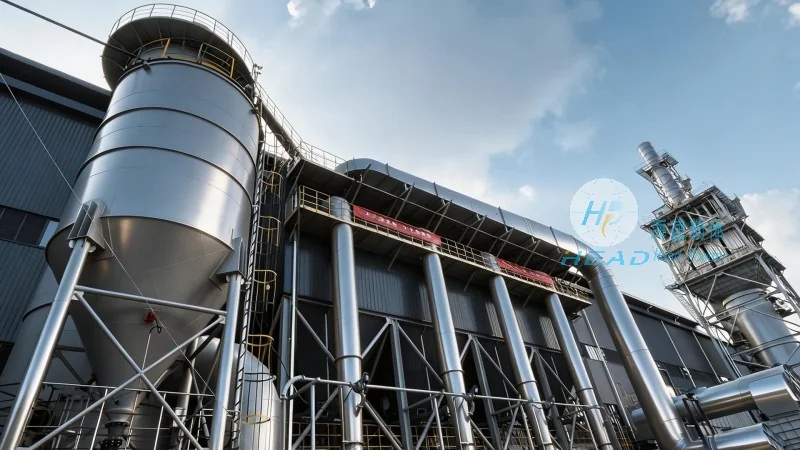
System Sizing and Capacity: The pneumatic conveying system must be sized appropriately to handle the required throughput of PCl₅. Overloading the system can lead to pressure buildup and potential system failure, while under-sizing may result in reduced efficiency and increased energy consumption.
Conclusion
Phosphorus pentachloride transportation requires careful consideration of the material's properties and the available handling methods. Pneumatic conveying stands out as a superior option for its safety, efficiency, and flexibility. By implementing a well-designed pneumatic conveying system, companies can ensure the safe and reliable transport of PCl₅ while minimizing operational risks and costs. As a leading provider of engineering solutions for chemical handling, Shandong HeadPowder Engineering Co., Ltd. specializes in designing and manufacturing customized pneumatic conveying systems tailored to the specific needs of industrial clients, helping them achieve optimal performance and compliance in their PCl₅ handling operations.

 Công ty TNHH Kỹ thuật Công trình Bột Hải Đức Sơn Đông
 156-6277-7102(Quản lý Trương)
  0531-83386006
  Quận Chương Khâu, Thành phố Tế Nam, Tỉnh Sơn Đông, Trung Quốc
Điện thoại
WeChatTư vấn
Lên đầu