Công ty Hải Đức Bột với hơn 10 năm kinh nghiệm vận chuyển khí, cung cấp hệ thống‑thiết bị‑quạt gió và nhận dự án tổng thầu bột cả nước
Calcium hydroxide, commonly known as slaked lime, is a widely used chemical in various industrial applications. The efficient and safe delivery of this material is crucial for maintaining production efficiency and ensuring operational safety. Traditional methods of transporting calcium hydroxide include bulk bags, containers, and manual handling, but these often present challenges such as dust exposure, material loss, and labor-intensive processes. To address these issues, modern industrial practices increasingly rely on advanced delivery systems, with pneumatic conveying emerging as a preferred solution for many applications.
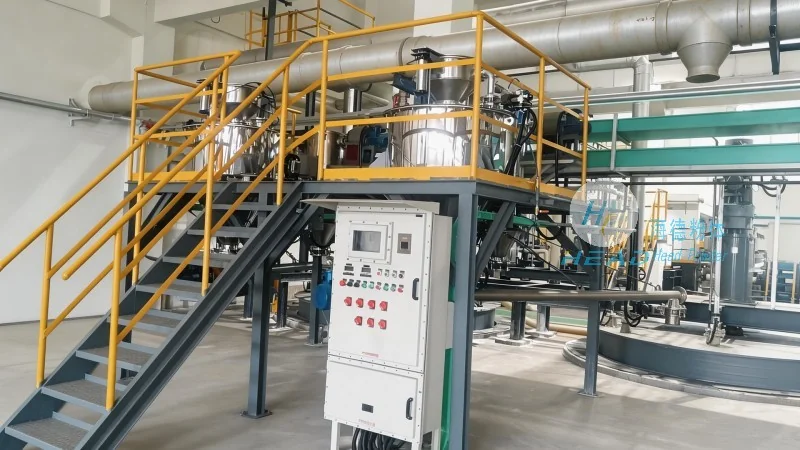
Pneumatic Conveying: A Modern Approach to Calcium Hydroxide Transport
Pneumatic conveying systems utilize air or other gases to transport bulk materials like calcium hydroxide through a network of pipes. This method offers several advantages over conventional methods, including reduced labor costs, improved safety by minimizing direct human contact with the material, and enhanced process control. The system typically consists of a hopper, a blower or compressor, and a series of pipes that direct the material to its destination. The air flow is carefully controlled to ensure the material is conveyed smoothly without clogging or degradation.
Key Advantages of Pneumatic Conveying for Calcium Hydroxide
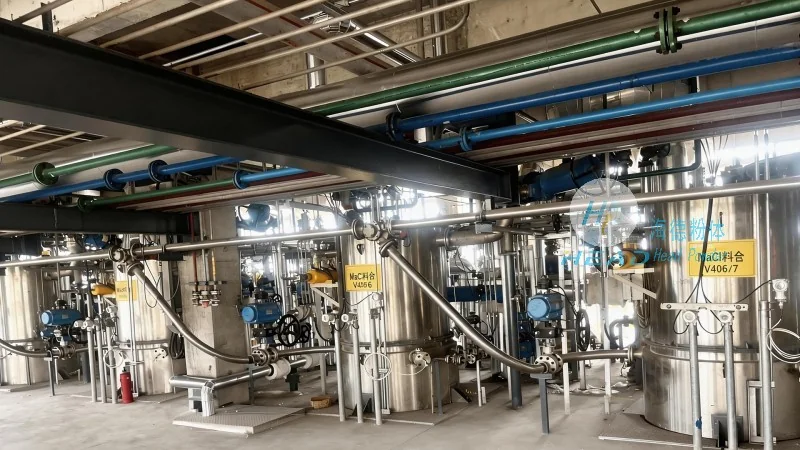
One of the primary benefits of pneumatic conveying is its ability to handle calcium hydroxide in a dust-free environment. This is particularly important in industries where dust control is critical, such as pharmaceuticals, food processing, and electronics manufacturing. By containing the material within a sealed system, the risk of inhalation hazards and environmental contamination is significantly reduced. Additionally, pneumatic conveying allows for precise control over the flow rate and pressure, enabling consistent delivery to downstream processes like mixing, packaging, or further processing.
Efficiency and Cost-Effectiveness in Calcium Hydroxide Handling
Compared to traditional methods, pneumatic conveying can reduce handling time and labor requirements by automating the material transport process. This leads to increased operational efficiency and lower overall costs. The system can be integrated with existing production lines, minimizing the need for additional infrastructure. Furthermore, the ability to convey calcium hydroxide over long distances without the need for intermediate storage or transfer points simplifies the logistics of material movement within a facility.
Features of Pneumatic Conveying Systems for Calcium Hydroxide
Modern pneumatic conveying systems for calcium hydroxide are designed with features that enhance performance and reliability. These include adjustable air flow controls, which allow operators to optimize the conveying process based on material characteristics and system requirements. The use of high-quality materials in the construction of pipes and components ensures durability and resistance to corrosion, which is essential for handling calcium hydroxide's chemical properties. Additionally, the systems often incorporate filtration and cleaning mechanisms to maintain air quality and prevent material buildup in the system.
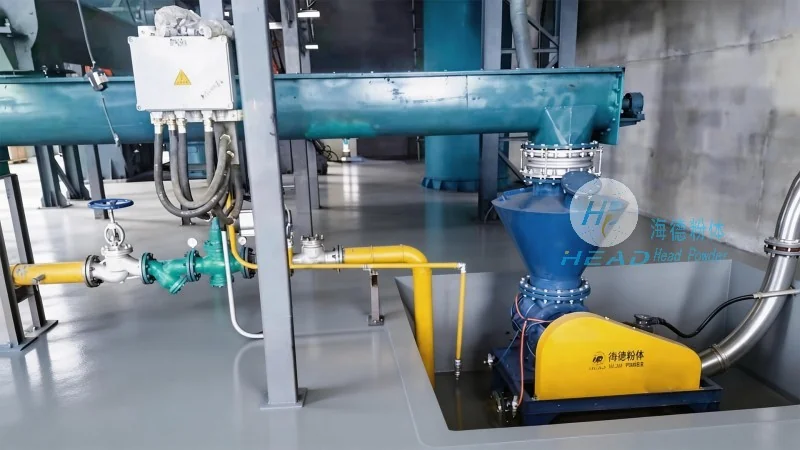
Application Examples and Industry Impact
Pneumatic conveying is widely adopted in industries that require the handling of calcium hydroxide for various purposes. For instance, in the construction industry, calcium hydroxide is used as a component in plaster and mortar, and pneumatic systems enable efficient delivery to job sites. In the chemical industry, it is used in the production of other chemicals, and the controlled delivery via pneumatic systems ensures consistent quality in downstream processes. The reliability and efficiency of pneumatic conveying have made it a preferred choice for companies seeking to improve their material handling processes and reduce operational risks.
Conclusion: The Role of Pneumatic Conveying in Calcium Hydroxide Delivery
As industrial demands for efficient and safe material handling continue to grow, pneumatic conveying has established itself as a key technology for calcium hydroxide delivery. The advantages of this method, including dust control, process efficiency, and cost-effectiveness, make it an attractive option for businesses operating in various sectors. By leveraging advanced pneumatic conveying systems, companies can enhance their operational capabilities and ensure the reliable transport of calcium hydroxide to meet production needs. The continued development and refinement of these systems will likely further expand their application in the future, supporting the evolving needs of industries that rely on this essential chemical.

 Công ty TNHH Kỹ thuật Công trình Bột Hải Đức Sơn Đông
 156-6277-7102(Quản lý Trương)
  0531-83386006
  Quận Chương Khâu, Thành phố Tế Nam, Tỉnh Sơn Đông, Trung Quốc
Điện thoại
WeChatTư vấn
Lên đầu