Công ty Hải Đức Bột với hơn 10 năm kinh nghiệm vận chuyển khí, cung cấp hệ thống‑thiết bị‑quạt gió và nhận dự án tổng thầu bột cả nước
Conveying reducing iron powder efficiently is a critical aspect of many industrial processes, particularly in the manufacturing of high-quality steel and other metal products. The choice of conveying method can significantly impact production efficiency, material quality, and operational costs. This article explores various methods for transporting reducing iron powder, with a particular focus on the advantages and features of pneumatic conveying systems, as offered by Shandong HeadPowder Engineering Co., Ltd. (HeadPowder).
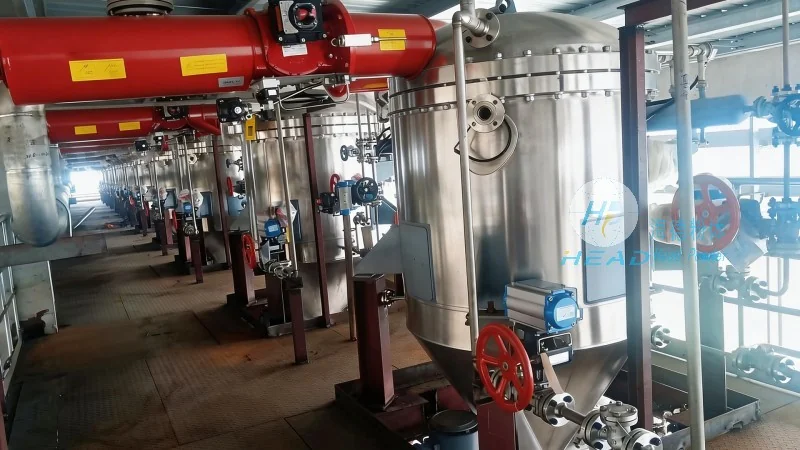
Understanding Reducing Iron Powder and Conveying Challenges
Reducing iron powder is a key raw material used in the production of low-carbon steel, stainless steel, and other specialized alloys. It is characterized by its fine particle size, high reactivity, and the need for precise control during handling to prevent oxidation or degradation. Traditional conveying methods, such as belt conveyors or screw conveyors, often struggle with these challenges. Fine powders can easily clog equipment, leading to downtime and increased maintenance costs. Additionally, these methods may not provide the necessary containment to prevent dust emissions, posing health and safety risks. Therefore, selecting an appropriate conveying system is essential to ensure smooth operations and product integrity.
Different Conveying Methods for Reducing Iron Powder
Several methods are commonly used to transport reducing iron powder, each with its own set of advantages and limitations. The primary options include:
Gravity Conveying: This method relies on the natural flow of powder due to gravity, often using chutes or hoppers. While simple and low-cost, it is limited by the need for a steep incline and is not suitable for fine powders that may settle or clog the system.
Belt Conveyors: Belt conveyors use a continuous belt to transport powder horizontally or at a slight incline. They are widely used for bulk materials but may not be ideal for very fine powders due to the risk of dust accumulation and material degradation.
Screw Conveyors: Screw conveyors use a rotating screw to move powder through a tube. They are effective for moderate particle sizes but can experience blockages with fine powders, leading to increased wear and tear.
Pneumatic Conveying: Pneumatic systems use air or other gases to transport powder through a pipeline. This method offers superior control over material flow, minimal contamination, and the ability to handle fine powders without clogging.
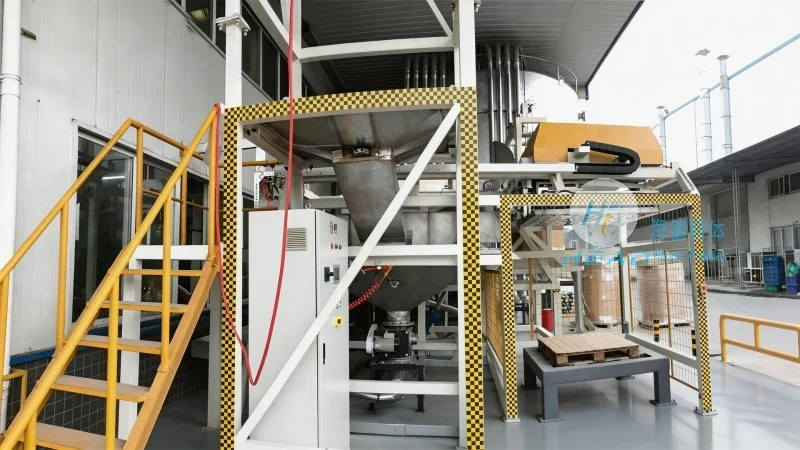
The Advantages of Pneumatic Conveying for Reducing Iron Powder
Pneumatic conveying has emerged as the preferred method for transporting reducing iron powder due to its numerous benefits. Shandong HeadPowder Engineering Co., Ltd. specializes in designing and manufacturing advanced pneumatic conveying systems tailored to the specific needs of industrial applications.
Efficient Material Handling: Pneumatic systems can transport reducing iron powder over long distances with minimal pressure drops, ensuring consistent flow rates and preventing material degradation.
Low Maintenance and Downtime: Unlike mechanical conveyors, pneumatic systems have fewer moving parts, reducing the risk of breakdowns and lowering maintenance costs. This leads to higher system reliability and reduced downtime.
Excellent Containment and Safety: Pneumatic conveying is enclosed, preventing dust emissions and protecting workers from respiratory hazards. This compliance with environmental and safety regulations is a significant advantage.
Flexibility and Scalability: Pneumatic systems can be easily adapted to changing production requirements, with the ability to add or modify conveying lines as needed. This flexibility makes them suitable for both small-scale and large-scale operations.
Reduced Product Contamination: The enclosed nature of pneumatic conveying minimizes the risk of contamination from external sources, ensuring that the reducing iron powder remains pure and meets quality standards.
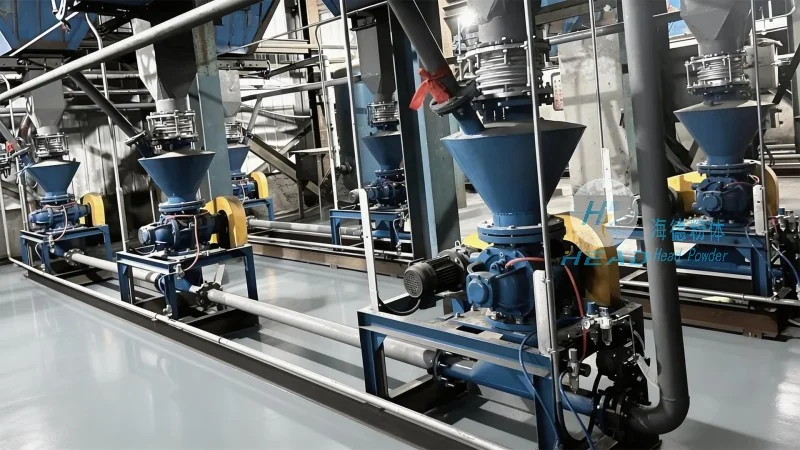
Key Features of HeadPowder's Pneumatic Conveying Solutions
Shandong HeadPowder Engineering Co., Ltd. offers a range of pneumatic conveying solutions designed to optimize the handling of reducing iron powder. Their systems are engineered with precision to address the unique challenges of fine powder transport, ensuring high efficiency and reliability.
Customized System Design: Each pneumatic conveying system is tailored to the specific requirements of the client, including material properties, flow rates, and distance of transport. This customization ensures optimal performance and cost-effectiveness.
Advanced Control Systems: Modern control systems allow for real-time monitoring and adjustment of conveying parameters, such as air pressure and flow rate. This enables operators to maintain consistent material delivery and prevent issues like clogging or overloading.
Durable and Corrosion-Resistant Materials: The components of HeadPowder's pneumatic systems are constructed from high-quality, corrosion-resistant materials to withstand the harsh conditions of reducing iron powder handling. This ensures long service life and minimal maintenance.
Energy Efficiency: By optimizing air usage and minimizing pressure losses, HeadPowder's systems are designed to be energy-efficient, reducing operational costs and environmental impact.
Conclusion: Choosing the Right Conveying Method for Reducing Iron Powder
When selecting a conveying method for reducing iron powder, it is crucial to consider factors such as material properties, production scale, and operational requirements. While traditional methods like belt and screw conveyors have their uses, pneumatic conveying offers superior performance, safety, and efficiency. Shandong HeadPowder Engineering Co., Ltd. provides reliable and innovative pneumatic conveying solutions that address the specific needs of industrial applications, ensuring smooth and cost-effective transport of reducing iron powder.

 Công ty TNHH Kỹ thuật Công trình Bột Hải Đức Sơn Đông
 156-6277-7102(Quản lý Trương)
  0531-83386006
  Quận Chương Khâu, Thành phố Tế Nam, Tỉnh Sơn Đông, Trung Quốc
Điện thoại
WeChatTư vấn
Lên đầu