Công ty Hải Đức Bột với hơn 10 năm kinh nghiệm vận chuyển khí, cung cấp hệ thống‑thiết bị‑quạt gió và nhận dự án tổng thầu bột cả nước
Biomass powder, a vital material in renewable energy and industrial processes, requires efficient and reliable conveying systems to ensure smooth operations. The selection of an appropriate conveying method significantly impacts production efficiency, material quality, and operational costs. Among various options, pneumatic conveying stands out as a preferred solution for biomass powder due to its unique advantages and features.
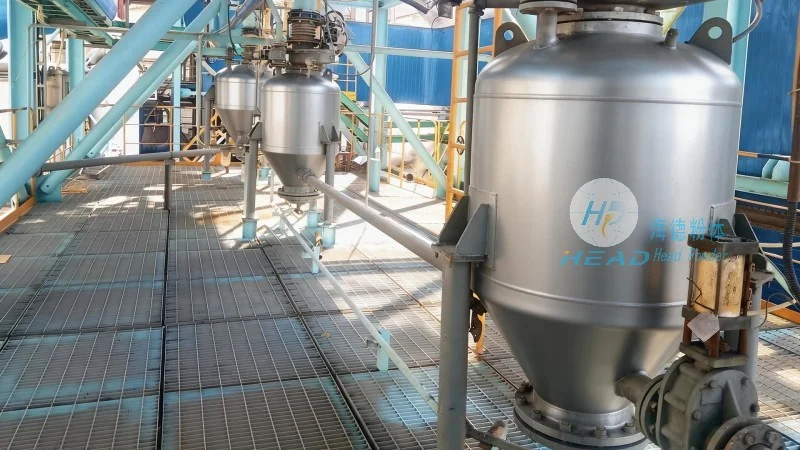
About Shandong HeadPowder Engineering Co., Ltd.
Shandong HeadPowder Engineering Co., Ltd., a leading manufacturer in material handling solutions, specializes in designing and supplying advanced conveying systems tailored for biomass powder applications. With a strong commitment to innovation and quality, the company has established itself as a trusted partner for industries relying on efficient biomass powder transport. Located in Shandong, China, HeadPowder leverages its expertise to deliver customized solutions that meet the specific needs of clients across various sectors.
Different Conveying Methods for Biomass Powder
Several conventional methods are used for transporting biomass powder, including gravity flow, mechanical conveying (such as screw conveyors and belt conveyors), and pneumatic conveying. Each method has its own set of advantages and limitations. Gravity flow is suitable for short distances and low material flow rates but is limited by the slope required. Mechanical conveyors are effective for bulk materials but may cause material degradation due to friction and impact. In contrast, pneumatic conveying offers a more flexible and efficient solution for biomass powder transport.
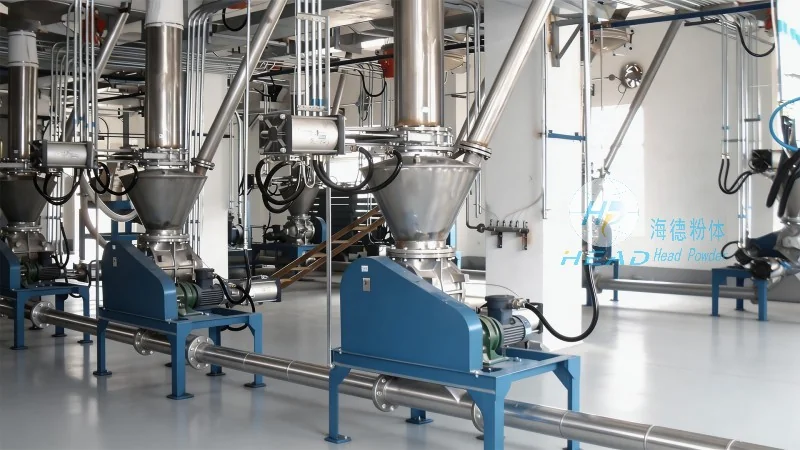
The Advantages and Features of Pneumatic Conveying for Biomass Powder
Pneumatic conveying, also known as air conveying, utilizes compressed air to transport biomass powder through a pipeline system. This method is particularly advantageous for biomass powder due to several key features. Firstly, it provides a dust-free and hygienic conveying environment, which is essential for maintaining the quality of biomass powder, especially when used in food or pharmaceutical industries. Secondly, pneumatic conveying allows for the transport of materials over long distances and at high flow rates, making it suitable for large-scale industrial applications. Thirdly, it offers flexibility in system design, as the pipeline can be easily configured to accommodate changes in production processes or facility layouts. Additionally, pneumatic conveying reduces the risk of material contamination and degradation compared to mechanical conveyors, which can be critical for sensitive biomass powders.
Components and Operation of Pneumatic Conveying Systems
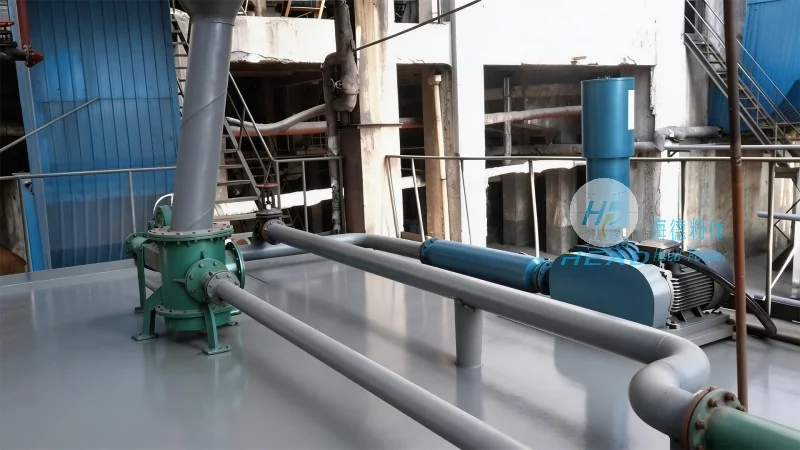
A typical pneumatic conveying system for biomass powder consists of several key components, including a material feeder, a blower or compressor, a pipeline network, and a receiver or discharge unit. The material feeder, often a rotary valve or a hopper with a gate, controls the flow of biomass powder into the system. The blower or compressor generates the necessary air pressure to move the powder through the pipeline. The pipeline network transports the powder and air mixture to the receiver, where the powder is separated from the air and collected. The air is then filtered and discharged back into the environment or recycled for energy recovery. The operation of the system is automated, ensuring consistent and reliable material transport with minimal human intervention.
Benefits in Real-World Applications
In industrial settings, pneumatic conveying for biomass powder has demonstrated significant benefits. For example, in biomass power plants, efficient conveying of biomass powder to the combustion chamber ensures stable and continuous operation, reducing downtime and maintenance costs. In biofuel production facilities, pneumatic conveying helps maintain the quality of biomass feedstock by preventing contamination and degradation during transport. Additionally, the flexibility of pneumatic systems allows for easy integration with existing production lines, minimizing the need for major infrastructure changes. Overall, the adoption of pneumatic conveying for biomass powder has led to improved operational efficiency, reduced material losses, and enhanced product quality in various applications.
Conclusion and Company's Role
As the demand for biomass powder continues to grow in renewable energy and industrial sectors, the choice of an efficient conveying method becomes increasingly critical. Pneumatic conveying, with its advantages in dust control, flexibility, and material protection, remains a top choice for biomass powder transport. Shandong HeadPowder Engineering Co., Ltd. offers advanced pneumatic conveying solutions tailored to the specific needs of biomass powder applications. By leveraging its expertise and innovative designs, HeadPowder helps clients achieve optimal material handling performance, ensuring smooth operations and enhanced productivity. With a strong presence in Shandong, China, HeadPowder is committed to providing reliable and efficient conveying systems that meet the evolving demands of the biomass industry.

 Công ty TNHH Kỹ thuật Công trình Bột Hải Đức Sơn Đông
 156-6277-7102(Quản lý Trương)
  0531-83386006
  Quận Chương Khâu, Thành phố Tế Nam, Tỉnh Sơn Đông, Trung Quốc
Điện thoại
WeChatTư vấn
Lên đầu